

Maharashtra orders at least 10% water cut in all cities and villages from October 16, plan runs to August 2027
The state government has directed all urban and rural local bodies to cut water use by at least 10% from October 16, 2026, citing El Nino, deficient rain and limited storage.
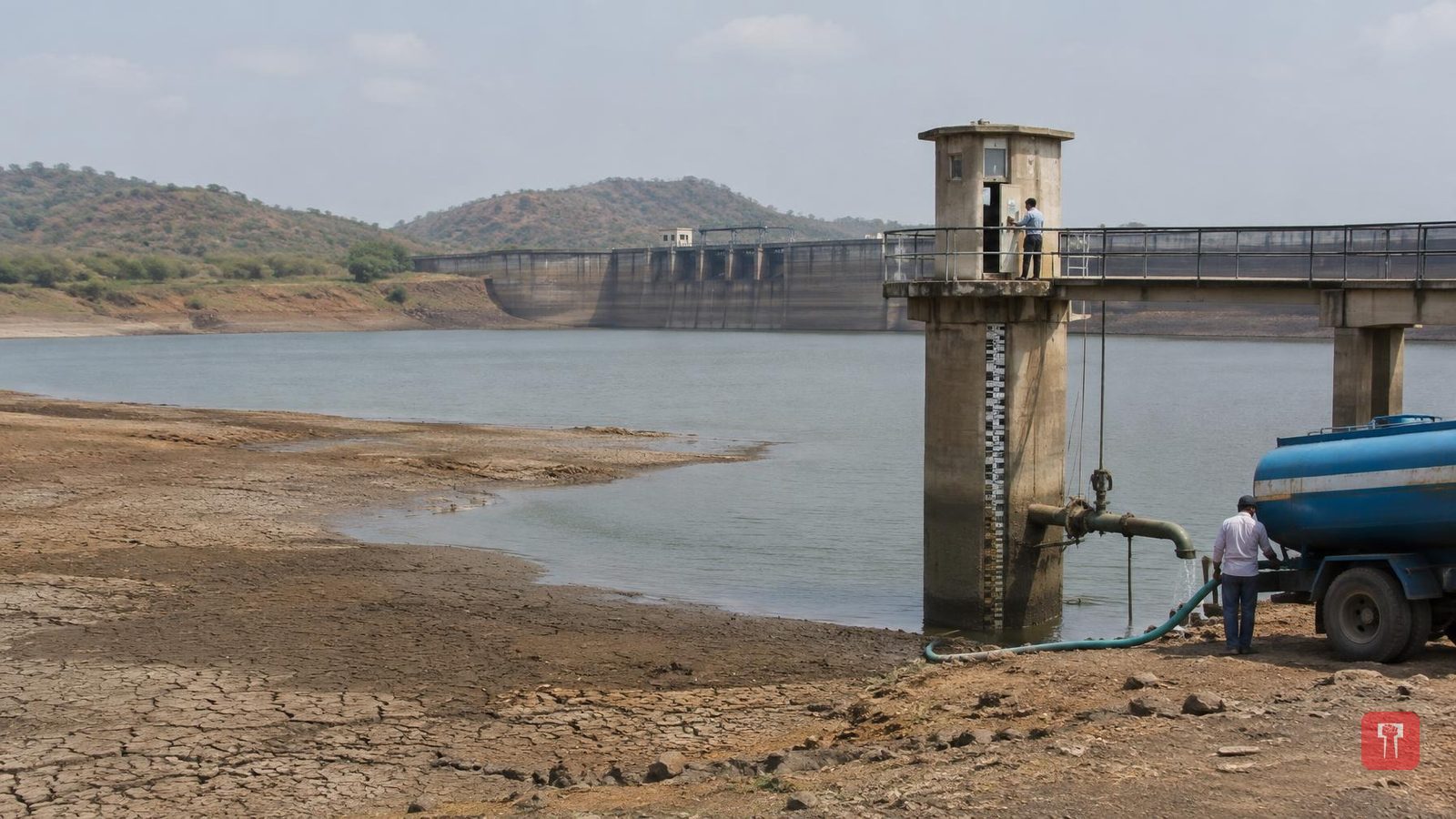
The Maharashtra government has decided to impose strict restrictions on water use. The reasons are the impact of El Nino, deficient rain and limited water stocks, which have to last until next year. From October 16, 2026, all urban local bodies in the state have been directed to cut water use by at least 10%. The plan is not for a few weeks or months; it accounts for available water until August 31, 2027.
The state did not receive the expected rain in this year's monsoon, and the distribution of rain in 2026 was also uneven. Some areas received decent rain, but many districts continued to see a shortfall. According to the latest report, 21 districts of the state have recorded deficient rain, and the monsoon also withdrew early. It has therefore become necessary to use the water in dams and reservoirs carefully until next summer.
El Nino is a key part of the government's plan. It raises the risk of lower rain, and when temperatures rise, more water is lost to evaporation, which can put further pressure on available water. The question now is not only how much rain fell, but how the available water can be made to last the whole year.
The government has asked all municipal corporations, municipal councils and gram panchayats to implement a cut of at least 10%. The aim is to stop unnecessary use of the limited existing stock and keep drinking water secure until next year. The decision is not limited to consumer use. It combines measures such as stopping leakages, reusing treated wastewater, reducing water consumption in industry and setting priorities when irrigation water is released.
The Water Resources Department has prepared a detailed plan, dam by dam and use by use. The biggest rule is that drinking water will come first. Reservoir stocks will be kept until August 31, 2027 based on drinking water needs. The plan will also account for evaporation losses, silt accumulated in reservoirs and water drawn illegally.
It has also been decided to keep an additional 10% emergency buffer stock in every dam. In very serious conditions, there is an option to use water from a dam's "dead storage" after a technical inspection. But this is not for day-to-day use, only for emergencies.
Agriculture is feared to be hit hardest, as it plays a large role in the state's economy. A clear order of priority has also been set for irrigation water. Drinking water comes first, followed by the needs of livestock and fodder. Only after that will the remaining water be released for irrigation. Within irrigation, rabi-season bhusar (dry fodder) and fodder crops will get preference, followed by the other rabi crops. Perennial crops will be permitted water only if water remains. This may affect planning for water-intensive crops. The need for drip, sprinkler and other water-saving methods will grow.
Industry has also been given conditions. Industries in the state must reuse or recycle at least 30% of the water they use. That means they will have to reduce dependence on fresh water and reuse treated water.
Municipal corporations, municipal councils and gram panchayats have been told to run sewage treatment plants at full capacity. Treated water is to be used for non-drinking purposes such as gardening, construction and washing. They have also been asked to run a special drive to find and promptly fix water leaks.
Joint teams of the revenue, police and water resources departments will work to stop illegal water extraction from dams, rivers and canals. These teams will patrol sensitive areas. Illegal pumps and equipment used to draw water will also be seized.
The government's decision makes clear that this water crisis is not being treated as a matter of just the next few months. The administration will have to keep in mind the coming summer, rising temperatures, evaporation losses and the period until the next monsoon begins. The water resources, revenue, agriculture, industries and urban development departments have been directed to work in coordination. Water stocks will be reviewed regularly through guardian ministers and canal advisory committees.
Water Resources Minister Girish Mahajan has also appealed to the public and all government departments to use every drop of water carefully and cooperate with the administration.
