

Kolhapur records its lowest monsoon rainfall in 10 years, just 51% of the annual average
Kolhapur district received only 899 mm of rain from June to September, against an annual average of 1,733 mm, raising concern over farming and water supply.
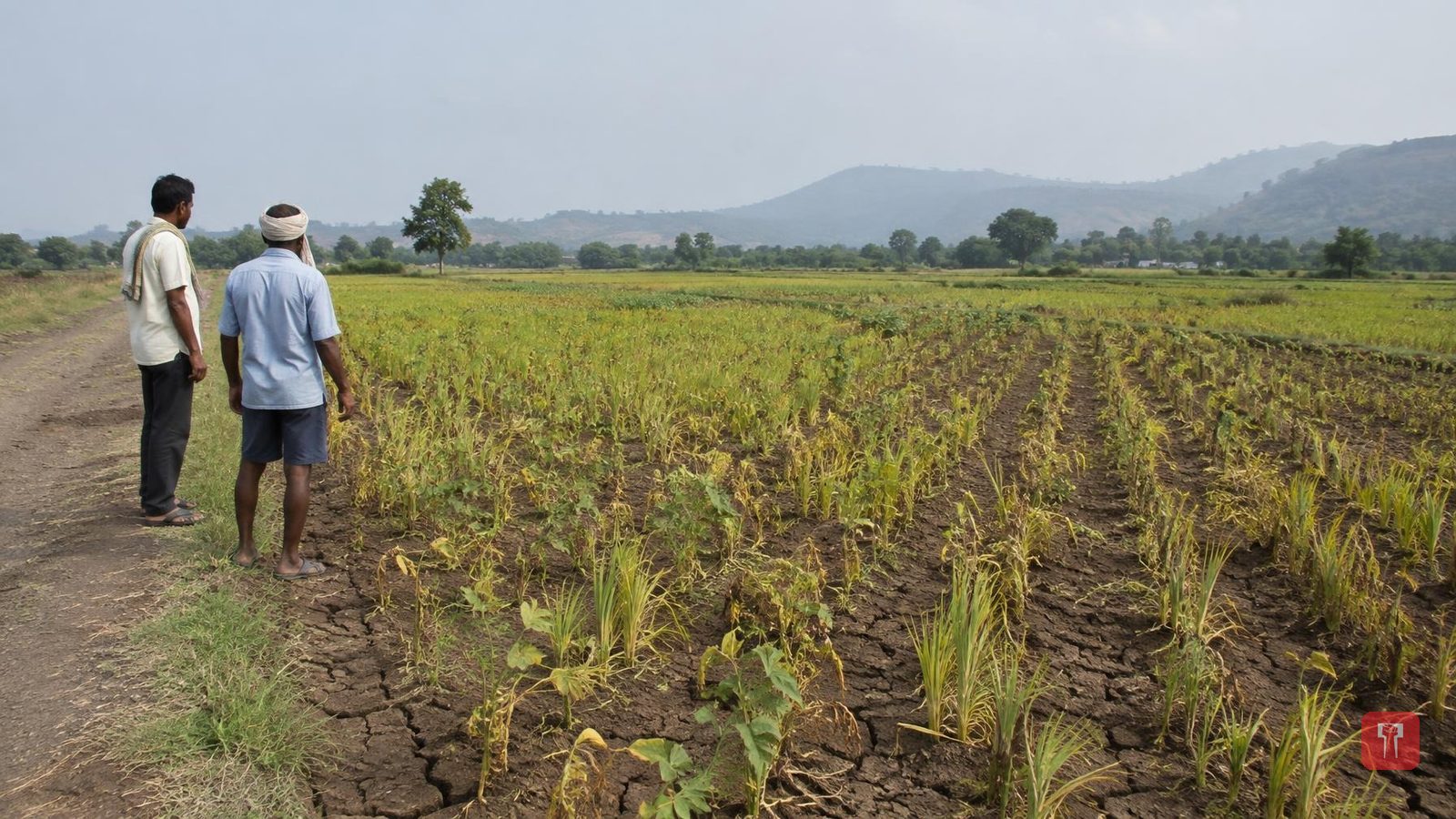
This year's rain is proving a cause for concern in Kolhapur district. Such low rainfall has not been recorded in the past ten years. Between June and September, the four monsoon months, the district received only 899 mm of rain. That is just 51 per cent of the annual average. The district's annual average rainfall is 1,733 mm.
The monsoon did not cooperate from the start. June passed entirely dry, which raised farmers' worries at the very beginning of the kharif season. The rain gave some relief for a while in between, but vanished again in September. As a result, the average for the four-month monsoon season fell well short.
September normally sees 17 days of rain, but this time rain fell on only four days across the district. August and September are considered important rain months for Kolhapur. This time both the number of rainy days and the total quantity were low. The direct impact is feared on farming, water storage and preparations for the coming summer. In some places, rain fell during the harvest season for paddy and soybean, disrupting the harvest.
Rain did fall in some areas, but it was neither everywhere nor continuous. Where it fell, it fell only in small measure. The rainfall of 2026 is the lowest of the past decade. In 2023, 899 mm was preceded by 971 mm. This time the figure stopped at 899 mm, lower still.
The figure is not merely a record of a changing weather pattern. It is also a signal for the district's future water planning. If the return rains are good, the situation could improve somewhat. But if the rain withdraws again, the effect could be felt from the rabi season right up to next summer.
Kharif crops in Kolhapur district, namely paddy, soybean, groundnut and others, need continuous rain. This time, because of the long dry spell, crop growth has been affected in some areas. How much return rain falls, and when, will largely determine how matters go from here.
If the return rains do not meet expectations, the impact will not be confined to kharif crops. Rabi sowing, soil moisture, the water level in wells and the availability of water in summer could also be affected. The monsoon has also shown a sharp divide across western Maharashtra. Pune and Satara districts received above-average rain, while Kolhapur, Sangli and Solapur districts saw a heavy shortfall.
