

Gram prices jump Rs 700 in 15 days at Delhi's Lawrence Road mandi, trader warns of Rs 9,000 a quintal
Desi chana is selling at Rs 7,650 to Rs 7,700 a quintal in Delhi, with a trade body leader citing low output, costlier imports and El Nino worries.
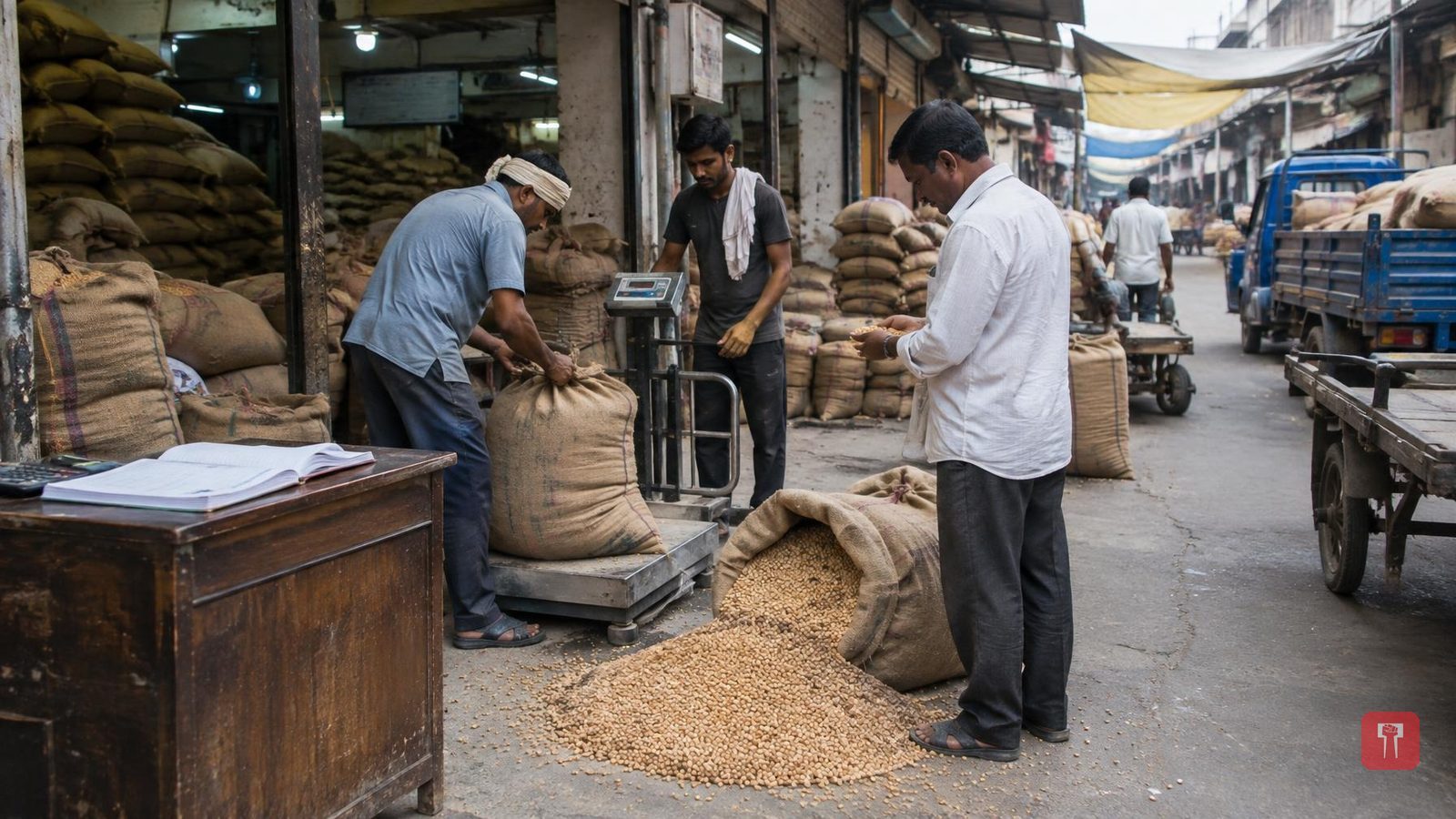 Images are not validated/verified
Gram (chana) prices have risen again, and the effect is beginning to show on household budgets. At Delhi's Lawrence Road mandi, desi chana is now selling at Rs 7,650 to Rs 7,700 a quintal. The price has gone up by Rs 700 in just the last 15 days.
Suresh Bhai Thakkar, vice-president of the Confederation of All India Traders (CAIT) and president of the Thane District Wholesale Traders Welfare Federation, said the rally in gram came after the Dussehra-Diwali buying subsided. According to him, gram has become about Rs 1,400 a quintal dearer in a month.
Thakkar estimates that if current conditions persist, prices will first go up to Rs 8,500 and could later reach Rs 9,000 a quintal.
The biggest reason for the surge is said to be low gram production in the country. According to Thakkar, the country's gram output was about 110 lakh metric tonnes, while estimated consumption is roughly 30 lakh tonnes more than that. With production falling short of consumption, stocks in the market have dwindled. There is a shortage of supplies in producing and distributing mandis, so dal mills are not getting enough raw material. This is directly affecting gram prices.
Relief from abroad does not appear likely either. According to Thakkar, prices for October-November shipments of Australian gram are about $250 a tonne higher than in the same period last year. He said prices in Australia have reached $790 to $800 a tonne, and there are reports of quality problems in the crop there. This has raised the cost of imported stock and made foreign gram dearer in the Indian market.
Transport is another cost burden. With fuel and transport costs rising, bringing stock from producing mandis to Delhi is costing about Rs 300 a quintal more.
There is also concern about the coming crop. Thakkar feared that the effect of El Nino could hit gram sowing in major producing areas, including Maharashtra, Andhra Pradesh and Karnataka. According to him, productivity has also been affected this time because the grains have stayed small.
Pulses and oilseeds were already seeing sharp price rises because of lower domestic production due to a weak monsoon and high prices in foreign markets. The surge in gram has added to that inflation. Shortage of raw material, costly transport and apprehensions about sowing for the next crop have kept the market anxious.
