

Bhandara reports 7 dengue and 5 malaria cases this year, no deaths
The district health department says no one has died of either disease in 2026 so far, and it is stepping up prevention after the rains.
 Images are not validated/verified
Anticipating a rise in the risk of dengue and malaria after the rains, the district health department in Bhandara has focused on preventive measures. According to the department, 5 malaria and 7 dengue patients have been found in the district so far in 2026. Of relief is that no one in the district has died of either disease so far.
The department has also released testing figures. So far, 2,88,040 blood samples have been collected for malaria testing, while 1,913 serum samples have been tested for dengue. The 5 malaria and 7 dengue patients tested positive in these tests. The department said the patients concerned have been treated on time. The health of other people in the affected area is also being monitored.
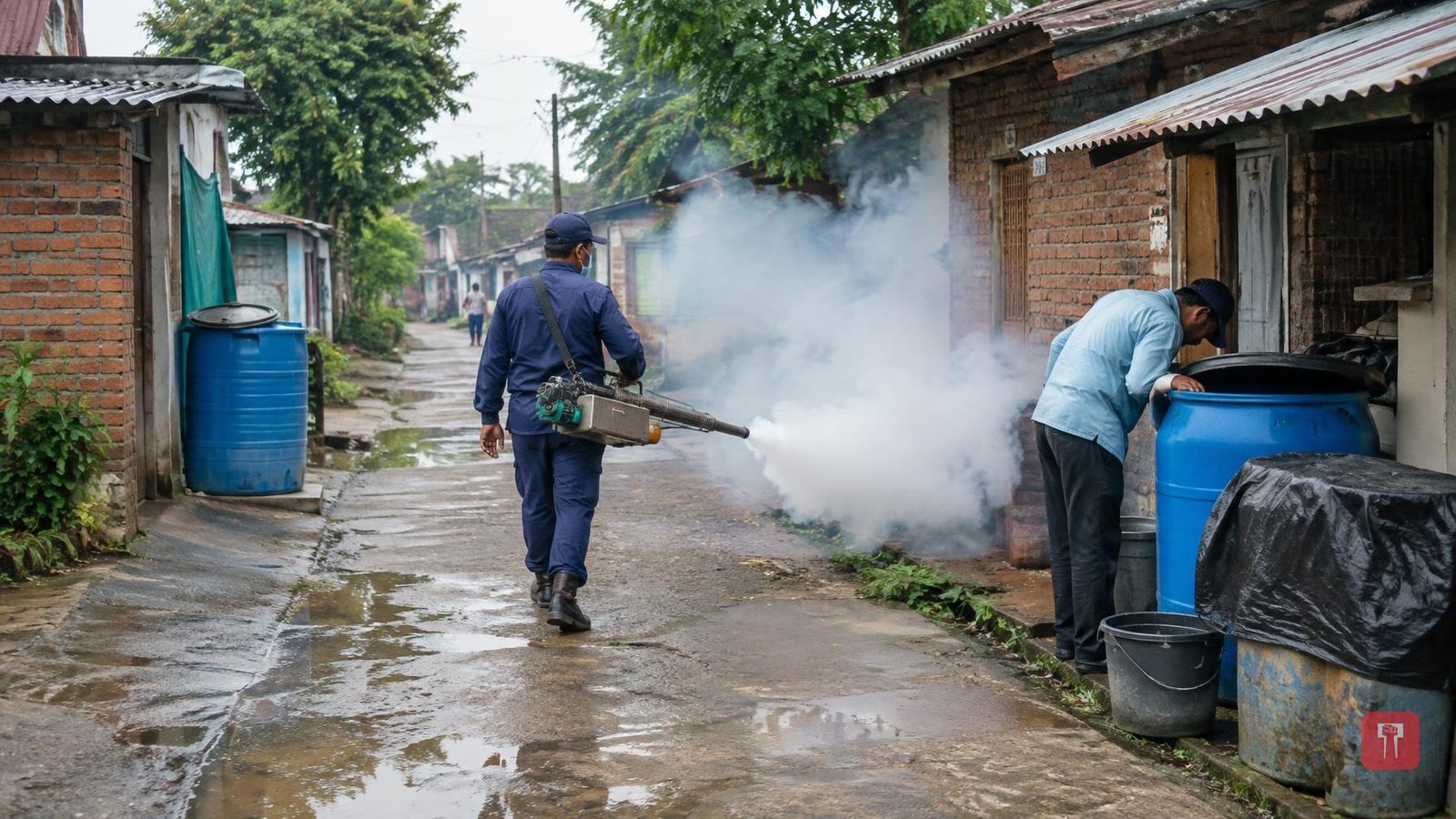
The emphasis is on finding and destroying mosquito breeding sites. For this, the health department is conducting entomological surveys, using Temephos and releasing guppy fish into water. The department said priority is being given to identifying places where mosquitoes breed and taking the necessary action there. Fogging is also being carried out.
Several awareness programmes were also held. June was observed as Malaria Prevention Month and July as Dengue Prevention Month, with various activities during these periods. Awareness was also spread among people on Malaria Day on April 25 and Dengue Day on May 16.
Primary health centres and sub-centres in villages were given a stock of essential medicines before the malaria prevention period began. Material for testing blood and serum samples and insecticides needed for action have also been supplied. According to the department, this is helping speed up testing and treatment when suspected patients are found.
In a village where a dengue or malaria patient is found, blood and serum samples of as many people as possible are being tested. Timely testing of suspected patients is helping detect the disease early. Necessary preventive action is taken in the patient's area to try to stop the disease from spreading further.
Dengue and malaria are notifiable diseases, so information on patients found in private hospitals also reaches the health department. Necessary preventive measures are taken in the village where the patient lives. Blood and serum samples of suspected patients found in private hospitals are tested through the government system, after which the disease is confirmed.
The health department has appealed to people to cooperate with it and take an active part in preventive measures, saying that eliminating mosquito breeding sites and keeping surroundings clean is a shared responsibility. The department also said water should not be allowed to collect in and around homes, and water storage containers should be cleaned regularly.
