

Mumbai malaria cases cross 9,000, up 41% from last year
Mumbai has recorded over 9,000 malaria cases this year, a 41% jump from last year, with two deaths breaking a three-year run without a malaria fatality.
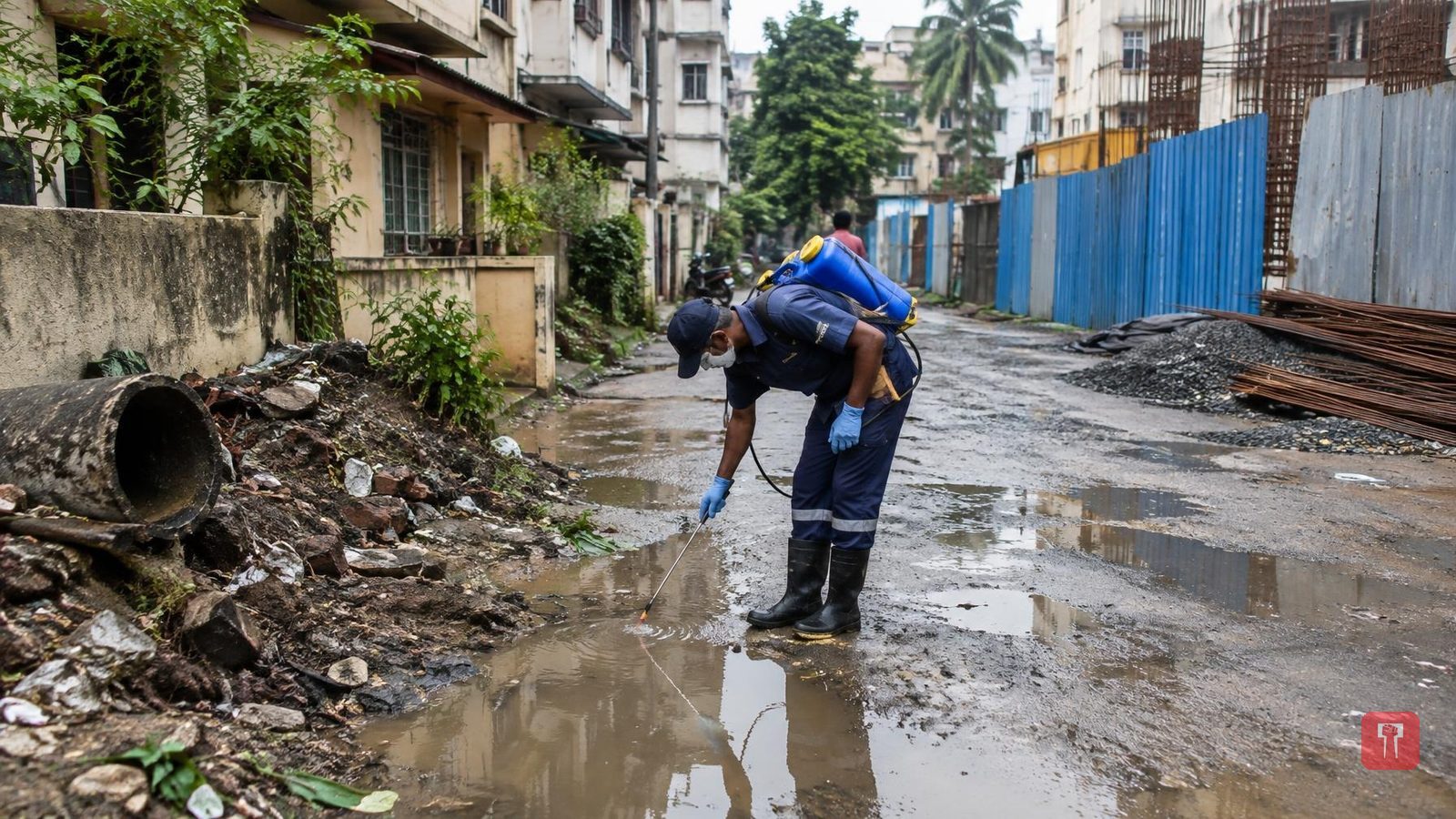
Even as the pace of the monsoon has slowed in a big city like Mumbai, the disease graph shows no sign of coming down. With related illnesses on the rise, the number of malaria patients has also seen a sharp increase. Till September 21 this year, the city has recorded 9,298 malaria cases.
In the same period last year, the figure stood at 6,590. That means malaria cases this time have risen by 41 percent, reaching 17,342. Among these patients, some have contracted the form of malaria known as Plasmodium falciparum.
Malaria has also caused two deaths in Mumbai. This marks a significant break, as the city had gone three straight years without a single malaria death. This is being seen as a matter of concern for the city's health and public health outlook.
According to data from the National Center for Vector Borne Disease Control, Mumbai recorded 3,985 malaria cases in 2022. Since then, the number has risen steadily to reach 10,163 in 2025, an increase of about 155 percent. However, this figure is still lower than the 2004 record, when the city recorded 14,756 cases and 23 deaths.
According to the state health department, the number of cases recorded so far in 2026 has already reached 91.05 percent of the 10,163 cases recorded for the whole of 2025.
Dr Mahendra Jagtap has shared important information about falciparum malaria. According to him, falciparum malaria is the most dangerous type of malaria and directly affects the brain and the body's major organs.
Dr Jagtap advises that getting the right treatment for falciparum malaria is very important. He said specific doses are prescribed for this type of malaria, including ACT or other anti-malarial drugs, and it is essential that these medicines are taken on time and for the full course.
Dr Jagtap also said that good immunity is important in falciparum malaria, along with a proper, balanced diet and adequate rest. According to him, patients with diabetes, high blood pressure or kidney disease, as well as pregnant women and young children with low immunity, should be given more information about treatment and prevention for this disease.
Dr Jagtap advises that anyone with fever should get a blood test done immediately so that malaria can be detected in time and treatment can begin early.
