

IISER Pune removes Umar Khalid's book from library after social media objection
The institute said it withdrew the book as a precaution to avoid possible confusion or disruption after a post questioned its presence in the collection.
 Images are not validated/verified
The Indian Institute of Science Education and Research (IISER) Pune has withdrawn from its library a book written by Umar Khalid, a former student leader of Jawaharlal Nehru University (JNU). The institute said the step had to be taken to prevent possible misunderstanding or unrest.
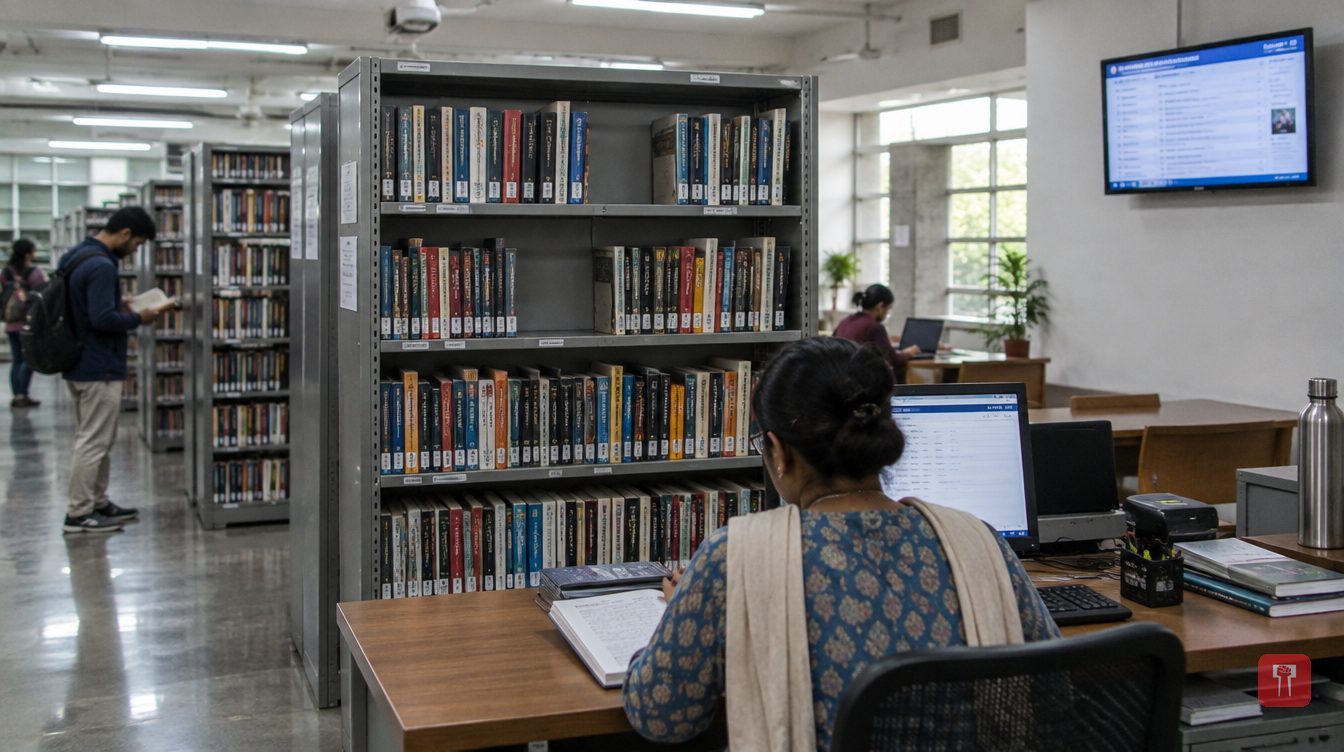
Before the decision, a post had been circulating on social media asking how the book came to be in the institute's collection. The post is said to have carried a photograph of a digital display showing the list of books in the library. The book, "Fractured Communities: Adivasi Histories and the Politics of Power", was visible in the list of available titles in that photograph.
In its statement, IISER Pune said that once the matter came to the notice of institute officials, the book was removed from the library as a precautionary measure. The administration said the aim was to avoid any possible confusion or disruption.
The book is based on Khalid's doctoral research at JNU. It presents a study of Adivasi history and the politics of power. Khalid, a former JNU student leader, is an accused in the case relating to an alleged larger conspiracy linked to the 2020 Delhi riots.
IISER Pune also explained how its library works. The collection is built on books suggested by members, and a separate committee oversees it. The institute said that, on average, more than 50 books on varied subjects are added to its collection every month.
The administration also described how the decision on Khalid's book was made. It said the decision was taken only after officials learnt that the book was in the library and that objections had been raised about it.
In short, a question was raised on social media, it reached institute officials, and the book was then removed as a precaution. The development has drawn attention to how academic institutions select books for their libraries and how they keep them in the collection, a process that comes under greater scrutiny when a book becomes a subject of public debate.

Comments
No comments yet. Be the first.