

Cologne Summer School India 2026 ends at Savitribai Phule Pune University with Indian, German educators
 Images are not validated/verified
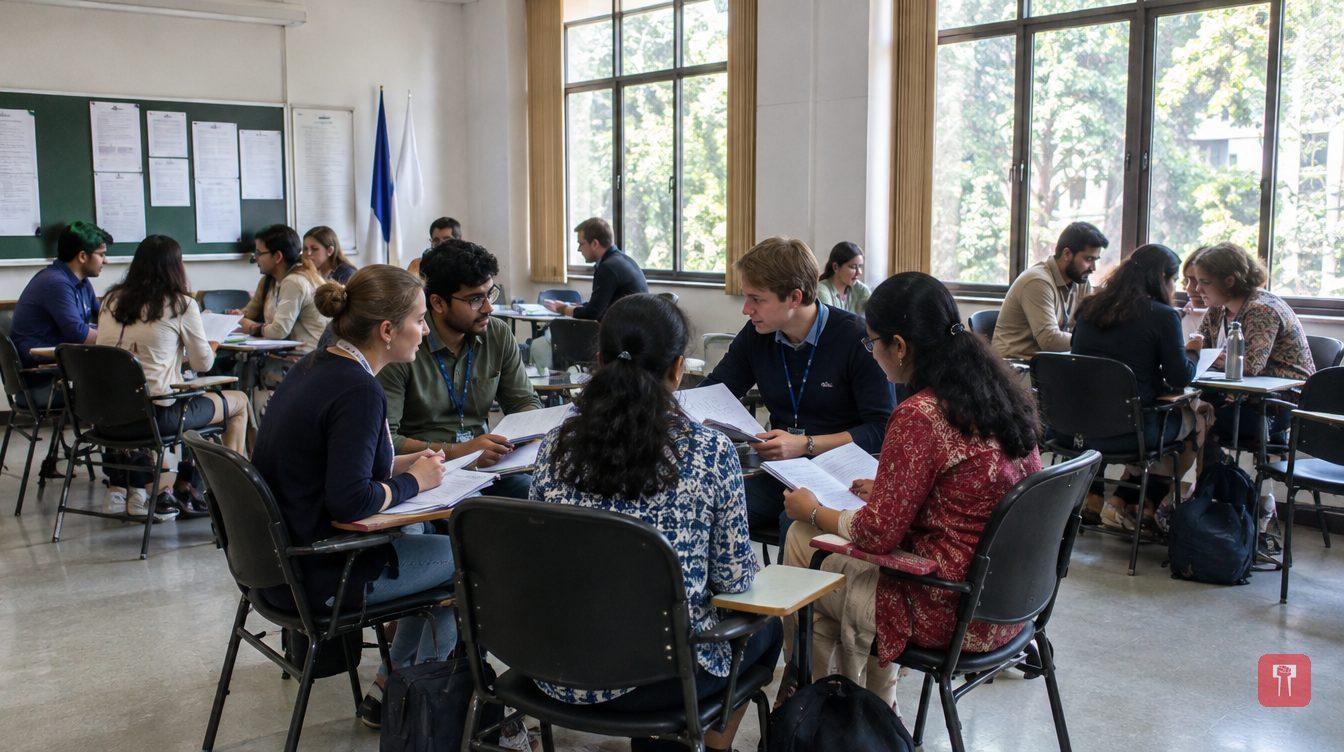
The summer school at SPPU brought together teachers, researchers and students from India and Germany to discuss inclusive and special education.
Pune, November 2, 2026: Cologne Summer School India 2026, which brought together teachers, researchers and students from India and Germany, concluded at Savitribai Phule Pune University (SPPU). The programme showed how important international academic cooperation, inclusive education and learning from different cultures are becoming.
The university's Department of Education and Extension organised the international summer school. It gave participants from both countries a platform to exchange knowledge, understand different education systems and discuss new approaches in special and inclusive education.
According to Prof. Vilas Adhav, Director of the university's School of Education, the programme was not limited to lectures and seminars. It created an opportunity for meaningful dialogue among students, researchers and faculty from varied academic backgrounds.
The programme included lectures, seminars and interactive academic activities, with an emphasis on special education, inclusive education and comparative research. Participants reviewed the methods used in India and Germany, which gave them a close understanding of different teaching methods, research methods and academic traditions.
At the concluding ceremony, Prof. Dr Kloefer, Prof. Dr Eva, Prof. Dr Geeta Shinde, head of the Department of Education and Extension, and Prof. Vilas Adhav spoke on the importance of international academic cooperation.
The speakers said education needs to be viewed through a global lens today, especially when considering the needs of students from different backgrounds. They also stressed that inclusive education, joint research and the exchange of experiences between countries are important for strengthening education systems.
The opportunity to learn beyond the classroom and across borders was a major outcome of the summer school. By interacting with German and Indian faculty, researchers and fellow students, participants experienced an international academic environment. This helped them understand different cultural perspectives, teaching traditions and methods of academic research.
Prof. Adhav said such programmes broaden students' academic horizons. Exposure to foreign perspectives lets future teachers and researchers look beyond familiar systems and understand how educational challenges are tackled in other parts of the world.
The discussions also highlighted the importance of comparative research, which helps identify effective methods and build a more inclusive learning environment. Understanding how different countries approach special education lets teachers exchange ideas and find methods suited to their own circumstances.
In the concluding session, participating faculty and students shared their experiences and spoke about the academic and cultural exchange during the programme.
The programme was regarded as an important step towards strengthening academic ties between India and Germany. It has also opened up the possibility of joint research projects, faculty exchanges and academic programmes in future.
International academic initiatives such as the Cologne Summer School create lasting bonds between institutions and individuals, Prof. Adhav said. Such cooperation can make education systems more inclusive, diverse and connected to the world. The summer school ended on a positive note, with the message that international cooperation and the exchange of knowledge are essential to shaping the future of education.
Reach readers on the ward they actually live in.
Advertise with Prime Time 24Reach readers on the ward they actually live in.
Advertise with Prime Time 24Reach readers on the ward they actually live in.
Advertise with Prime Time 24
Comments
No comments yet. Be the first.