

BMC sanctions Rs 30 lakh per ward to revive old open wells and ease water shortage worries
The Brihanmumbai Municipal Corporation has approved initial funds for each administrative ward to restore traditional open wells as a supplementary water source.
 Images are not validated/verified
The Brihanmumbai Municipal Corporation (BMC) has sanctioned initial funds of Rs 30 lakh for each administrative ward to bring Mumbai's traditional open wells back into use. The aim is to strengthen the city's alternative sources of water and reduce dependence on treated drinking water for purposes other than drinking. Concern over low rainfall and a possible water shortage lies behind the decision.
The decision comes at a time when concern is being voiced about the effect of El Nino, the Indian Ocean Dipole (IOD) and climate change on the coming monsoon. Rainfall is expected to remain uncertain, so the civic body is focusing on repairing existing water sources so that Mumbai is prepared in case of a shortage.
The demand to revive the wells was raised by BMC House Leader Ganesh Khankar and corporator Pratik Kharpe. Both had spoken of measures to save water and make better use of the city's traditional wells.
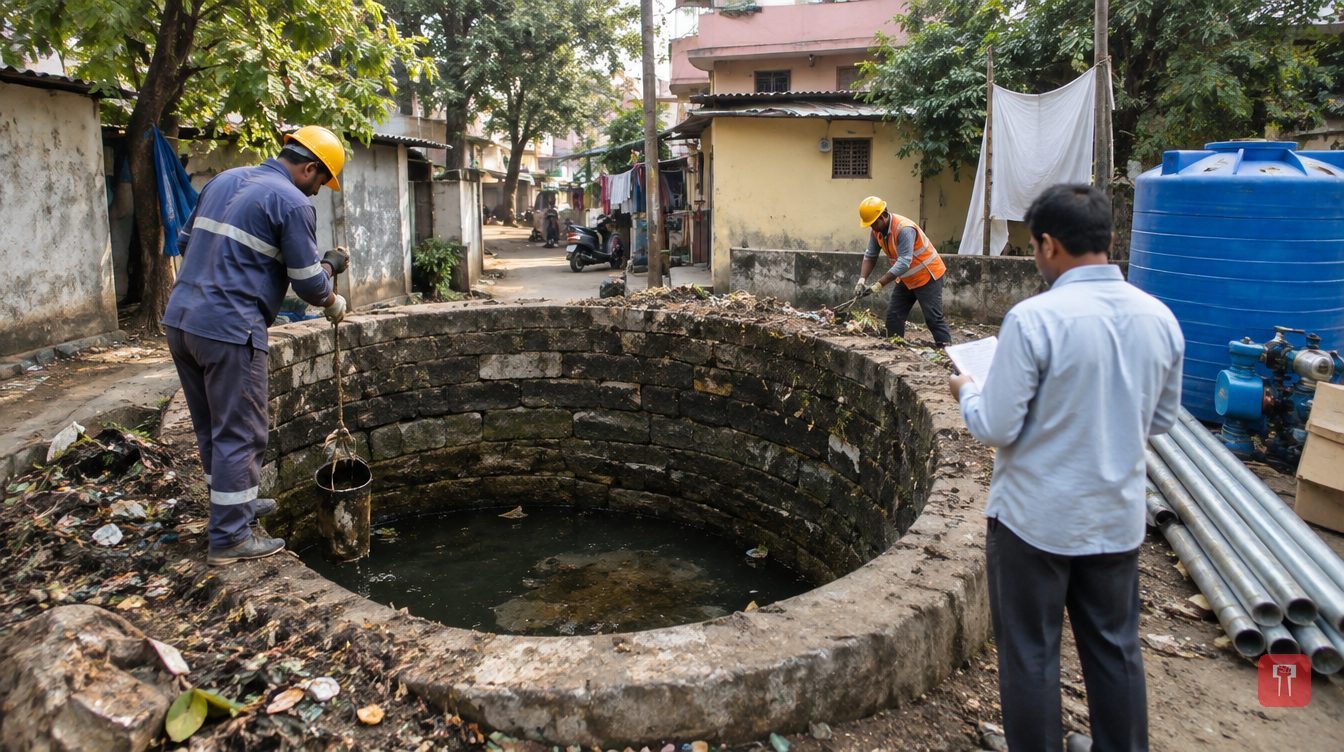
In the first phase, selected open wells in each ward will be cleaned, desilted and repaired. To make the water easier to use, the BMC will also install storage tanks with a capacity of 5,000 litres, water pumps and other necessary equipment.
The sanctioned funds are being given to the respective ward assistant commissioners to implement the programme. The BMC has prepared a standard estimate of about Rs 4.82 lakh to Rs 5 lakh for the renovation of each well. If more funds are needed, ward officials can seek approval from the Additional Municipal Commissioner (Projects) or the Municipal Commissioner as required.
Water from the restored wells will mainly be used for tasks that do not need drinking water. These include gardening and watering plants, cleaning of roads and lanes, construction work, toilet flushing and other cleaning needs. The BMC expects this to reduce demand for treated drinking water and conserve the city's existing reserves. Removal of silt and waste from the wells is also expected to improve how they work and help restore local groundwater resources.
Mumbai depends mainly on seven lakes for its municipal water supply. Uncertain rainfall and the possibility of a below-normal monsoon have forced the civic administration to look for more sources. Many old open wells have deteriorated because of urbanisation, accumulated waste and falling groundwater levels. If they are properly repaired and maintained, they can serve as supplementary sources. Civic officials believe the wells will be particularly useful if rainfall is low or the levels of the lakes supplying Mumbai fall.
Ganesh Khankar said that repairing the old wells would help save drinking water and provide a second source for the municipality's daily needs.
The initiative is part of the BMC's larger efforts to improve water management and prepare for possible supply challenges. However, how effective the programme proves will depend on choosing the right wells, being able to distribute the restored water, and making proper use of available resources. By providing ward-level funding and basic infrastructure, the BMC wants to make better use of Mumbai's existing water resources and cut non-essential use of treated drinking water.

Comments
No comments yet. Be the first.