

World Octopus Day: why the eight-armed, intelligent sea creature needs protecting
Marked every year on October 8, the day aims to protect marine life and draw attention to the octopus's role in ocean ecosystems.
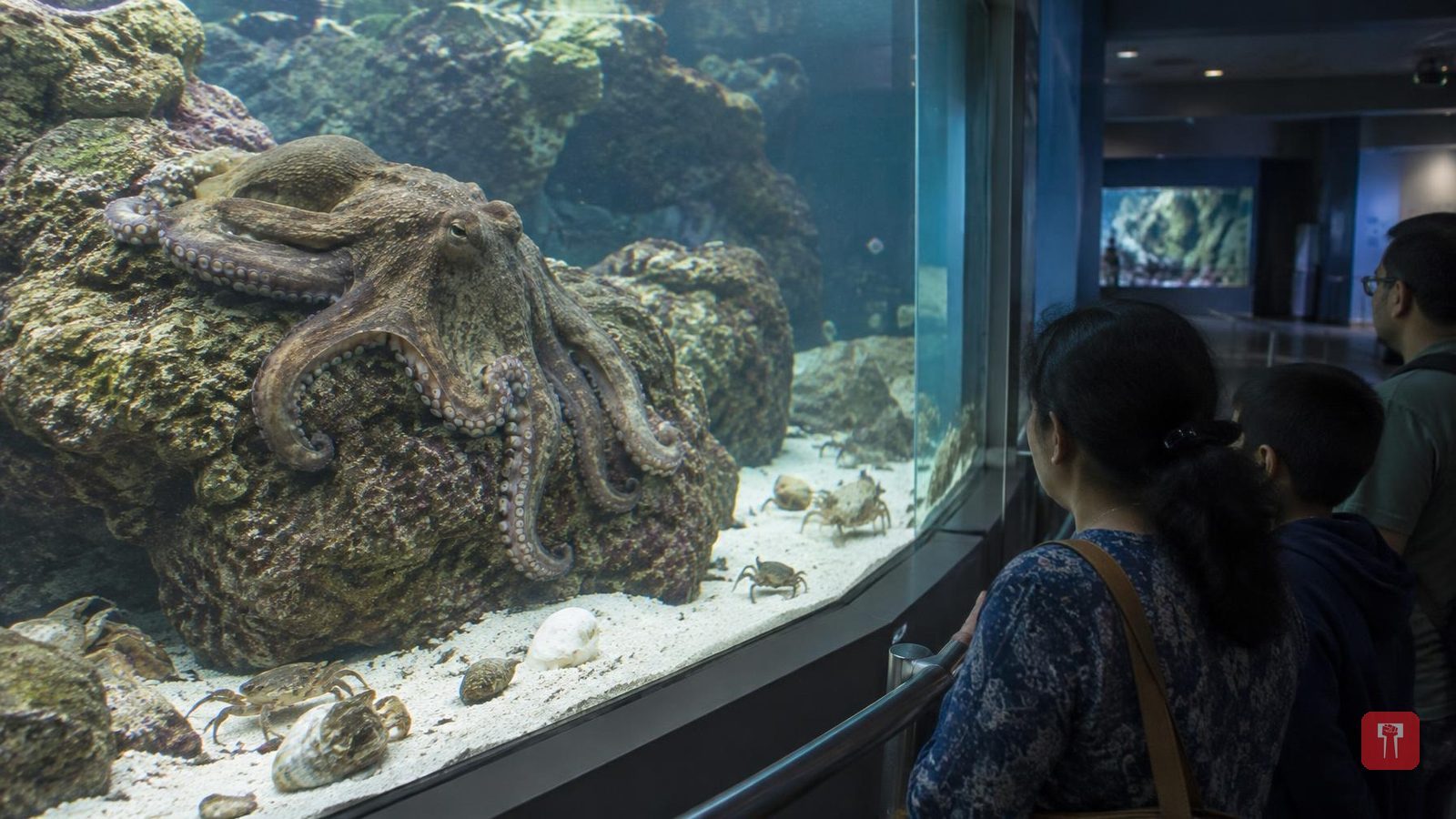 Images are not validated/verified
The deep waters of the sea have always fascinated people. Thousands of kinds of creatures live on the ocean floor, but the one that astonishes most with its unusual body and intelligence is the octopus. World Octopus Day is observed across the world every year on October 8 for this animal.
The day has three aims: to protect marine life, to introduce people to the remarkable world of the octopus, and to raise awareness of its place in the ocean ecosystem. The choice of date has an amusing reason. The word October comes from the Latin "octo", meaning eight. The octopus, too, has eight arms.
The octopus is not merely an animal with eight arms. In scientific terms it belongs to the mollusc group of soft-bodied animals. Yet its intelligence has earned it the name "thinker of the sea". Octopuses can solve puzzles, open the lid of a glass jar from inside and outside, and remember human faces. Its brain is far more advanced in structure than that of any other animal without a backbone. About two-thirds of its neurons are spread across its eight arms, so the arms can take separate decisions on their own.
Changing colour is the octopus's most striking ability. Called camouflage, it is the art of changing one's colour and skin texture. Whether it needs to escape an enemy or hunt prey, it can within a fraction of a second look like the surrounding rock, sand or algae.
It has three hearts. Two of them pump blood through the gills, while the third sends blood around the body. Its blood is also blue, not red. It contains a protein called hemocyanin, which is rich in copper rather than iron. This helps the octopus live on cold seabeds with little oxygen.
The octopus plays a major part in keeping the marine food chain in balance. It eats crabs, prawns, shellfish and small fish, which keeps their numbers in check. In turn, whales, seals and large fish eat octopuses. If octopuses in the sea decline, the balance of the entire marine ecosystem can be upset.
Human activity now threatens the survival of this creature. Plastic pollution in the sea, toxic chemicals, ship accidents, rising sea temperatures caused by climate change and overfishing for commercial purposes are destroying the octopus's natural habitat on a large scale.
The day is not just about showing curiosity about one animal. It is a reminder to restore the worsening balance between nature and humans. On this day, marine biologists, environmentalists, aquariums and environmental organisations around the world run various activities, workshops and online campaigns. They urge people to use less plastic, keep the sea clean and protect marine life. Every creature made by nature has an equal right to live on this earth. Holding to that belief and saving this silent guardian of the sea is the moral responsibility of all of us.
