

Work from home fuels loneliness, new study warns of mental health toll
A study published in Science links work-from-home to rising loneliness and worsening mental health, especially among those who already felt isolated.
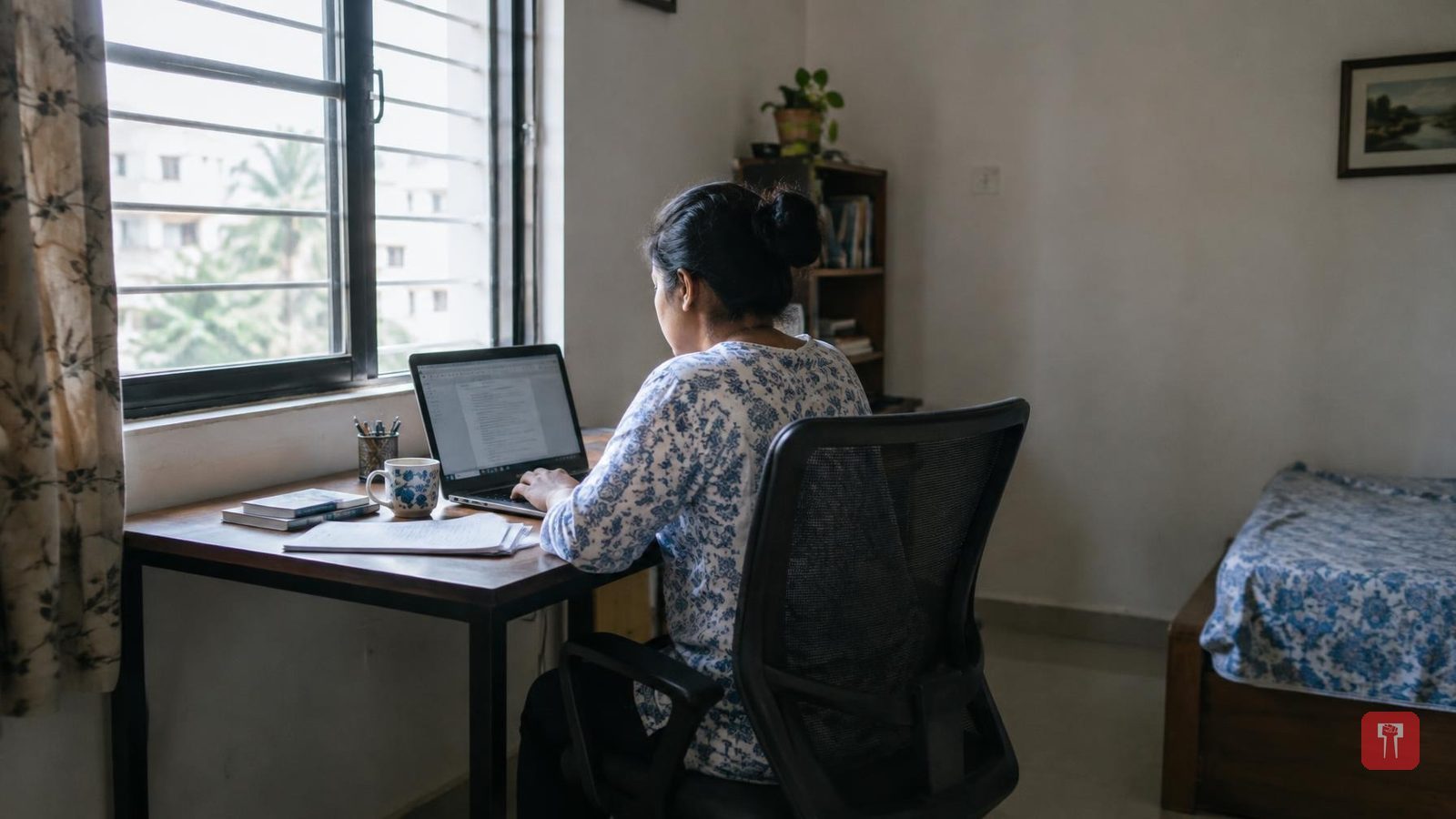
When working from home, there is no one around and no fixed schedule to follow. Unlike an office, no colleague stops by the desk for a chat, and there is no gossip over tea or coffee. For millions of people, the entire working day now unfolds in a single room, where they eat, rest and sleep as well. A new study published in the journal Science has warned that this lifestyle can have hidden side effects, such as growing loneliness, disconnection from people and a decline in mental health. The study was discussed by coach, healer, life alchemist and psychotherapist Dr Chandni Tugnait.
The study, titled "Home Alone: Remote Work, Isolation, and Mental Health," examined how working from home after the COVID-19 pandemic has affected people's social lives and mental health. Researchers Natalia Emanuel, Emma Harrington and Amanda Pallais analysed data from 588,322 American employees collected between 2011 and 2024. To separate the effects of pandemic-related fear from the actual impact of working from home, they excluded data from 2020 and 2021.
According to the study, people who work from home reported greater loneliness and a decline in mental health. Such employees also showed an increase in the use of mental health services, therapy or medication. The effect was greatest among those who already felt lonely before switching to remote work.
This does not mean everyone who works from home will fall into depression. People who spend evenings with family, friends or a partner in the evening are less affected. But for those who live alone, the office used to be the place where they could talk to people face to face. When the office was replaced by the four walls of home, this interaction stopped altogether. The study estimates that compared to 2011-2019, about a third of the increase in loneliness and mental stress among employees during 2022-2024 can be attributed to the growing habit of working from home.
Working from home does have benefits, such as saving commuting time and avoiding the fatigue of traffic jams, easier management of household responsibilities due to flexible timing, and a better balance between personal life and work. Experts believe that a five-minute conversation during a busy office day might seem trivial, but when such small exchanges gradually disappear from daily life, it takes a toll on mental health. The study does not push for five days of office attendance every week, but instead examines how people can preserve their social relationships once the office is no longer part of daily life. The conclusion is that the flexibility to work from home is a major benefit of modern life, but the mind needs conversation and social interaction to stay healthy.
