

Four common myths about cerebral palsy in adults, debunked by Navi Mumbai neurologist
Cerebral palsy does not affect only children, and treatment should not stop in adulthood, says Dr Neeraj Jain of Newera Hospitals, Vashi.
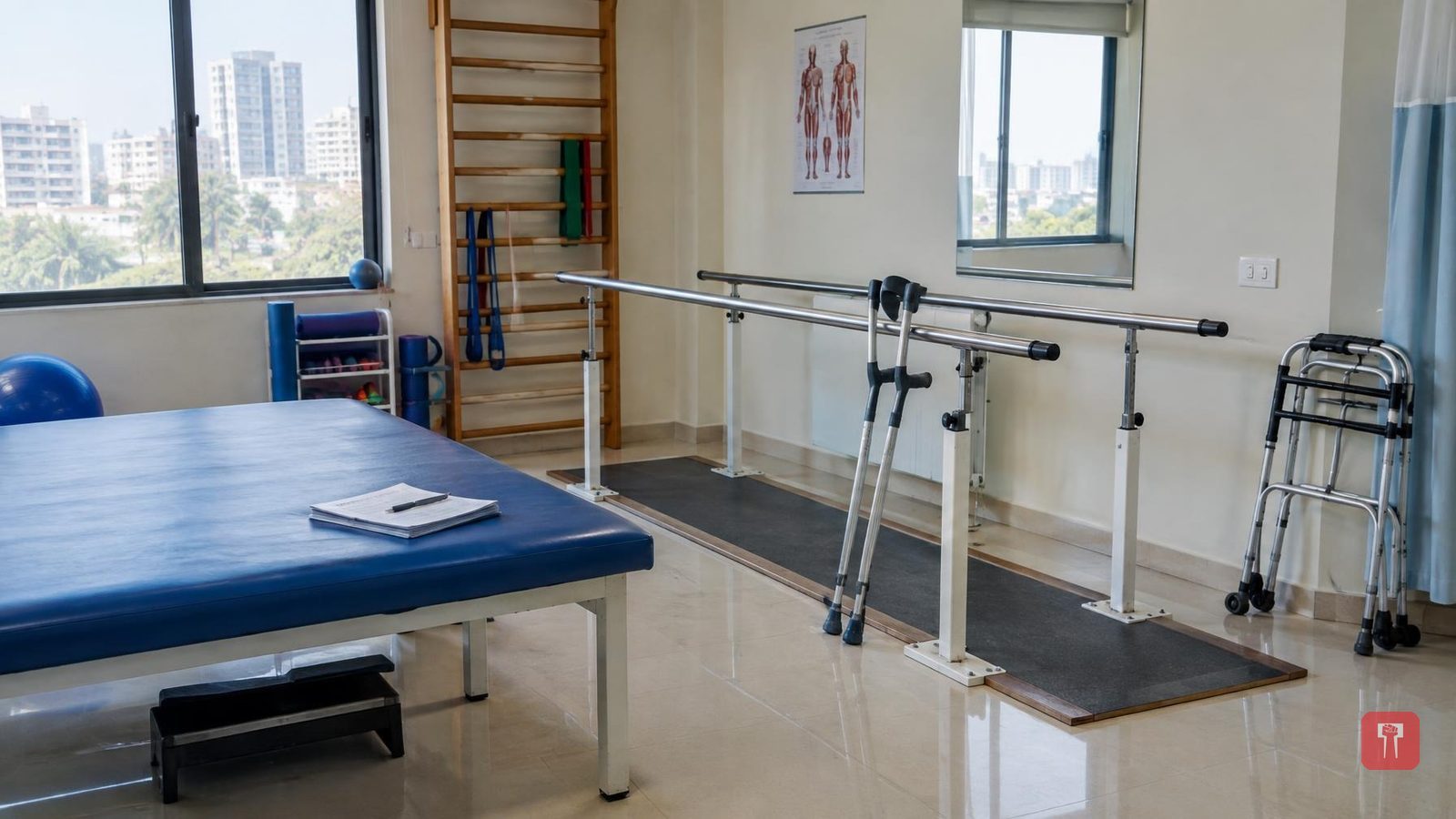
Many people assume cerebral palsy affects only young children. But the condition, which begins in childhood, can show its effects in adulthood too. Muscle stiffness, pain, fatigue and movement difficulties can appear later in life. This does not mean a person will become dependent on others or that the need for treatment has ended.
Dr Neeraj Jain, senior neurologist at Newera Hospitals in Vashi, Navi Mumbai, explained four common misconceptions about cerebral palsy in adults and the facts behind them.
According to Dr Jain, cerebral palsy occurs when the brain is injured, or its development is disrupted, while it is still developing. It can affect movement, muscle tone, balance and coordination. Premature birth, certain infections, seizures in the brain, reduced blood supply to the brain or other nerve-related problems can cause it. In some patients the exact cause cannot be determined.
Dr Jain says adults with the condition can have muscle stiffness, weakness, difficulty controlling movements, loss of balance, pain, and trouble walking or doing other tasks.
The first misconception is that the severity of cerebral palsy keeps increasing as the brain injury progresses. According to Dr Jain, the original brain injury that causes cerebral palsy does not worsen with time. However, with age, muscle stiffness, pain, weakness, fatigue and joint problems can increase or change. Regular treatment and check-ups as needed are therefore important.
The second misconception is that a person with cerebral palsy cannot stand on their own feet and live independently. Dr Jain says many adults with cerebral palsy get a good education, hold jobs, maintain relationships and live happy lives on their own. Every person's ability to move is different. Some people may need assistive devices or other help for daily tasks.
The third misconception is that pain and constant fatigue are a normal part of ageing. According to Dr Jain, pain, fatigue or increased muscle tension should not be ignored. Changes in muscle tone, body structure, the way a person moves, or reduced physical activity can also cause these problems. Such symptoms should therefore be examined by a neurologist.
The fourth misconception is that cerebral palsy in adults cannot be treated. Dr Jain says treatment is not limited to childhood. Physiotherapy, occupational therapy, medicines to reduce muscle tension, pain management and assistive devices for movement can help adults maintain function and quality of life.
Dr Jain says that although cerebral palsy begins in childhood, medical treatment should not stop after the age of 18. Regular health check-ups can catch changes in movement, muscle tension, pain and fatigue in time. With timely treatment and the necessary support, adults with cerebral palsy can be helped to lead active and self-reliant lives.
