

Women's health: why period blood smells, and signs of a growing infection
A mild odour during periods is normal, but a strong fishy smell can signal an infection that needs timely treatment
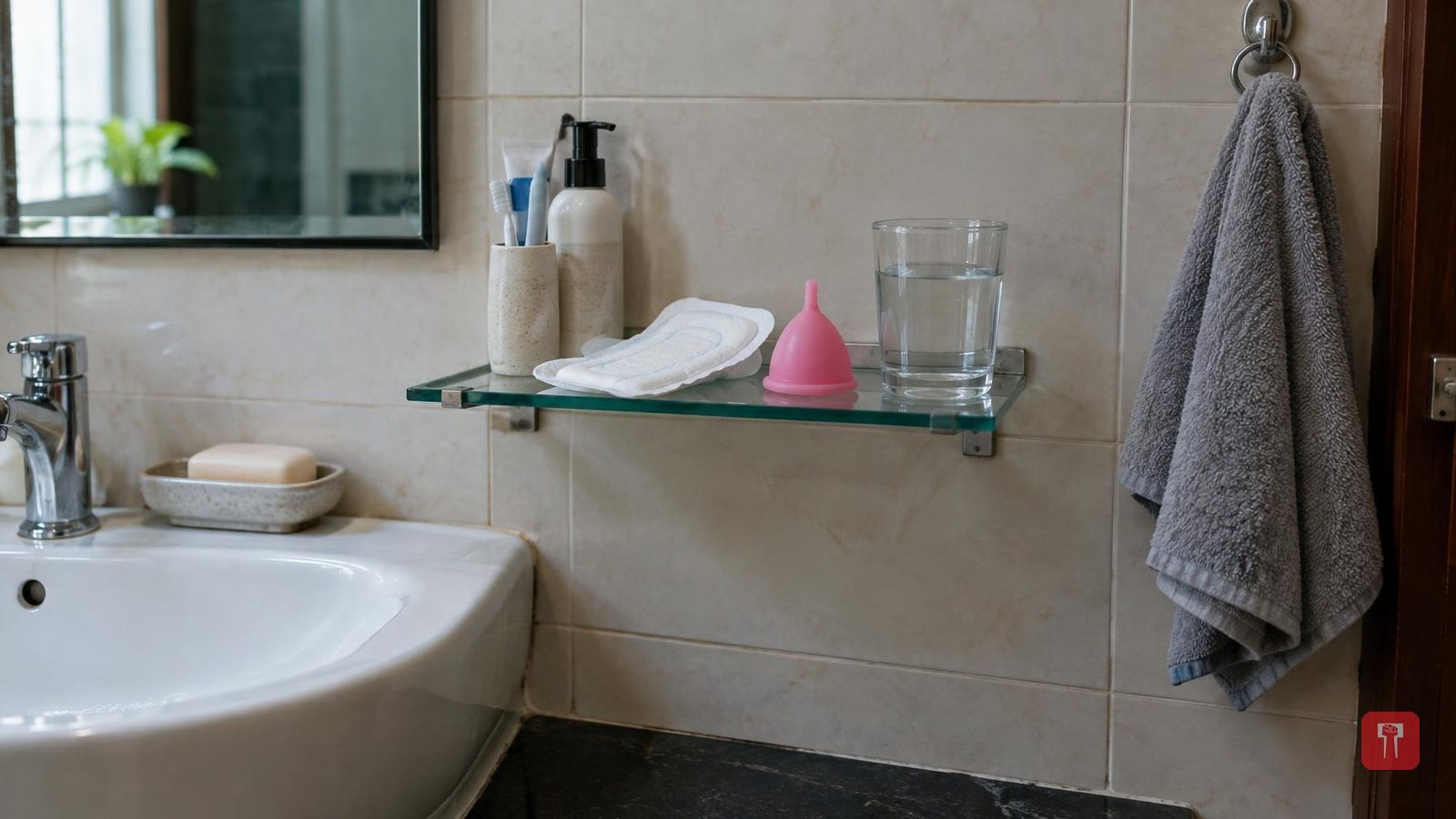
Periods usually begin in girls after the age of 12 to 13. It is a cycle that continues for years in a woman's body, which is why periods occur for 4 to 5 days every month. Before periods start, the uterus prepares for pregnancy. An egg is released from the ovary and the uterine lining thickens. When pregnancy does not occur, this thickened lining exits the body through the vagina as blood and tissue, and this is called a period. The menstrual cycle is usually 28 to 30 days long.
A mild or slightly metallic smell from the blood during periods is considered normal. But if irritation suddenly increases or a strong fishy smell begins, it may not be a normal issue but a sign of a growing infection.
Increased irritation in the private parts, sudden itching, pain, not changing the pad on time, sweat, moisture and wearing tight clothes can all increase the likelihood of odour. This is why it is important not to ignore symptoms seen during periods and to get timely treatment. Problems such as back pain, stomach pain and pain in the pelvic area also occur every month during periods.
The reason period blood smells is that hormonal fluctuations occur in the body during periods, and the effect of these changes often shows up on the body quickly. Naturally healthy bacteria are present in the vagina, which help keep the environment of the private parts balanced. But during periods, the vagina's pH is more likely to change. When blood collected in a pad or menstrual underwear comes into contact with air, it starts to smell. Not changing the pad for a long time, heavy bleeding, moisture from sweat, wearing tight and non-breathable clothes, or a growing infection such as bacterial vaginosis all increase the likelihood of period blood smelling.
It is important to pay special attention to hygiene of the private parts during periods. Sanitary pads should be changed every 4 to 6 hours, and changed immediately if bleeding is heavy. Tampons should also be changed every 4 to 6 hours. It is important to wash hands thoroughly after changing a menstrual cup, pad or tampon, otherwise the risk of infection increases significantly.
Perfumed intimate washes, deodorant sprays, scented pads and vaginal douches should be avoided. Using these products can irritate sensitive skin or disturb the vagina's natural balance. In addition, many women use various creams or lotions to clean the private parts, but using these can also cause irritation or dryness in the vagina.
