

Why some people delay repaying borrowed money: the psychology behind it and how to respond
Financial strain, guilt, poor planning, fear of confrontation or a habit of dodging responsibility can lie behind unpaid loans, and lenders are advised to put terms in writing.
 Images are not validated/verified
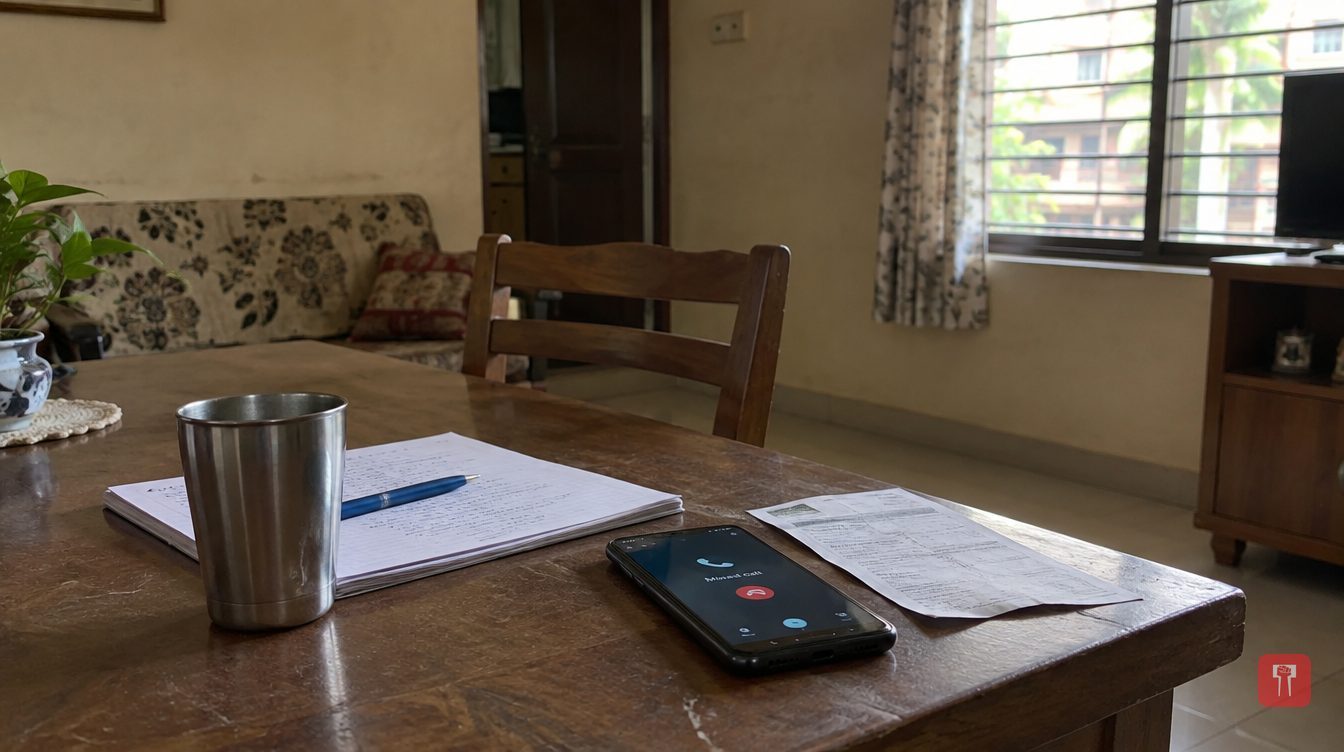
In difficult times, we lend money to a friend, a relative or an acquaintance. The borrower promises to return it soon. But the agreed time passes and the money does not come back. Phone calls go unanswered, fresh excuses are offered, or more time is asked for again and again. The question then arises: is the person not repaying because they have no money, or is there a psychological reason behind the behaviour?
According to psychology, some people give their own needs greater weight. When borrowing, their problem seems big, but when it is time to repay, the lender's need seems small. This can be called a selfish outlook. Not everyone does this, but some people ignore another person's trust for their own benefit.
Some people are genuinely in financial trouble. Unable to repay, they feel guilt, shame or stress. Instead of talking to the lender and explaining their situation, they avoid calls or reduce contact. This is described as an avoidance tendency. But it does not solve the problem; instead, trust erodes.
Some people cannot plan their money. They borrow to meet today's needs but do not save to repay. When the due date arrives, a new excuse appears. If they faced no serious consequence for repaying late earlier, the habit can grow.
At times, friendship, family ties or emotional closeness are also exploited. The borrower knows the lender will forgive them repeatedly and extend the deadline for fear of spoiling the relationship. In such cases, not repaying may be not just financial hardship but also behaviour aimed at avoiding responsibility.
So what should one do in such a situation? When lending, fix the repayment date and the amount clearly. If the money is not returned, send a written message, calmly but firmly, and settle a repayment schedule. Understanding the borrower's difficulty is good, but do not ignore your own financial needs and limits. Remember that bad intent is not behind non-repayment every time. Even so, if nothing happens after repeated promises, it is important to pay more attention to behaviour than to words.
The reason can differ from person to person: financial hardship, not planning money, guilt, fear of confrontation or a habit of avoiding responsibility. Repeatedly breaking promises, giving no clear answer about repayment, avoiding contact and not keeping to an agreed schedule are warning signs. Even so, a person's intent cannot be judged from a single thing alone.
To get the money back, send a written message that spells out the outstanding amount and the repayment date. Offer an instalment option if needed. If the money is still not returned, keep the available evidence safe and take legal advice as the situation requires.
