

Separate bank accounts for different needs can make money easier to track
Keeping salary, spending and emergency money in separate accounts helps with budgeting and saving, and an emergency fund should cover 3 to 6 months of essential expenses.
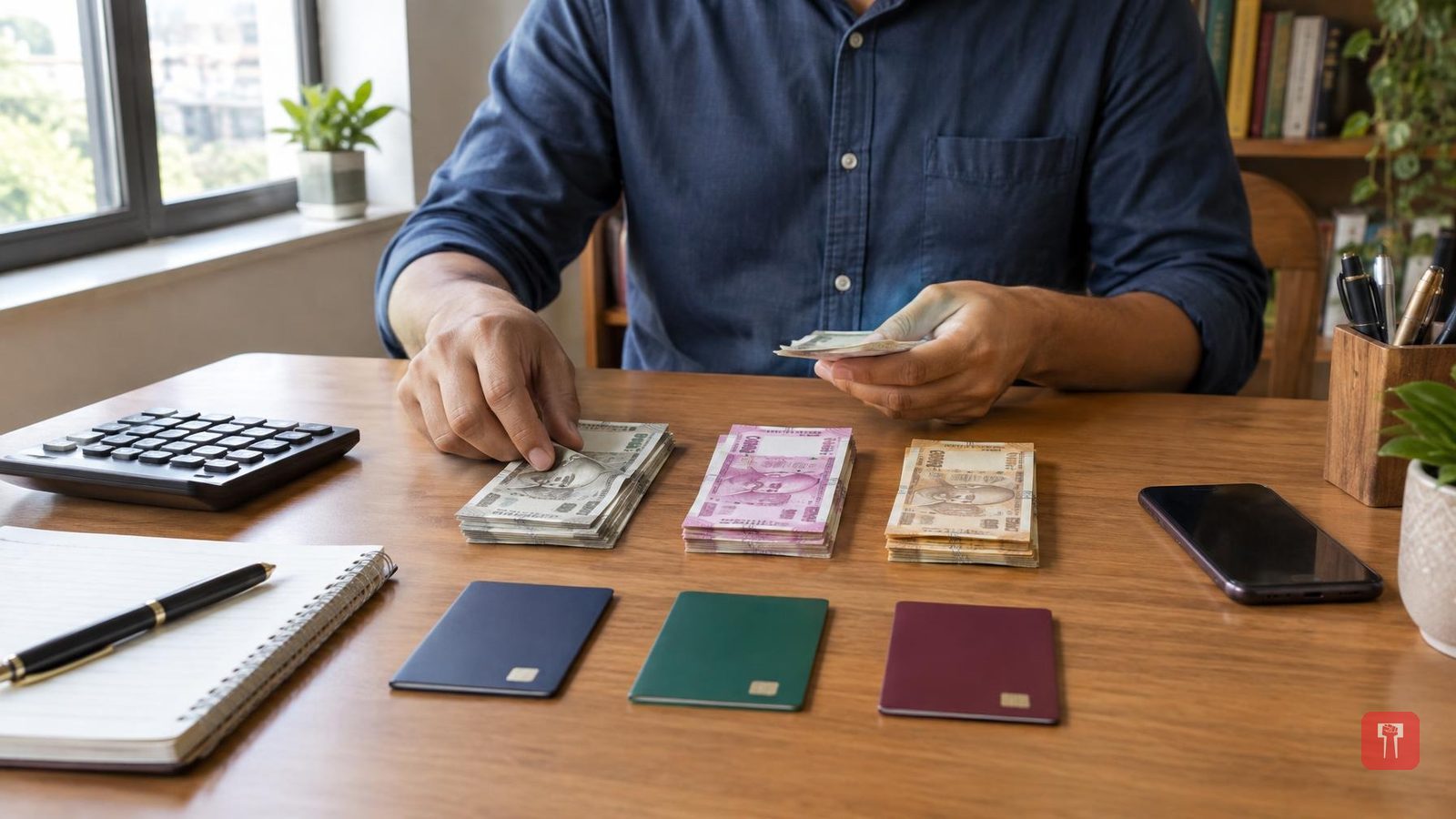
Many people keep all their earnings in a single account, but holding money in separate accounts for different needs can be a sound financial approach. Separate bank accounts keep essential expenses, day-to-day needs and the emergency fund apart from one another.
The biggest advantage is that it becomes easier to keep track of the budget. It also allows people to save by setting aside money for unexpected needs.
When the entire salary sits in one account, it is often hard to tell how much should be spent and how much saved. Separate accounts can therefore be kept according to one's needs.
The first is the salary account. The salary is credited here, and essential expenses such as rent, EMIs, and electricity and water bills can be paid from it. This makes it easier to account for fixed monthly expenses.
The second is the spending account, kept for entertainment, eating out, shopping and other non-essential expenses through the month. A fixed amount can be deposited in it in advance, and the whole month run within that limit.
The third is the emergency fund account. A separate fund should be created for unexpected expenses, and it is better to keep it apart from money meant for daily spending.
On how much to keep in the emergency fund, the usual advice is that it should equal 3 to 6 months of essential expenses. If a person's job or income is not stable, keeping a larger amount can also be beneficial. Greater family responsibilities and growing debt can also raise the need for an emergency fund.
The next question is where to keep the emergency money. The main purpose of the fund is that money is available immediately when needed. Instead of keeping the entire amount in one place, it should be kept where withdrawing it does not take much time or cost much in fees. Some of it can be kept in a savings account and some in a fixed deposit (FD) that allows money to be withdrawn when needed.
