

Why November 6 matters for protecting nature from the damage of war
 Images are not validated/verified
The UN-designated day on November 6 draws attention to forests, water and farmland destroyed in wars and armed conflicts.
When a war or armed conflict breaks out anywhere in the world, news channels mostly talk about lives lost, bomb blasts and ruined cities. Behind this destruction, however, nature suffers heavy damage in silence. Repairing it can take humans several decades, even centuries.
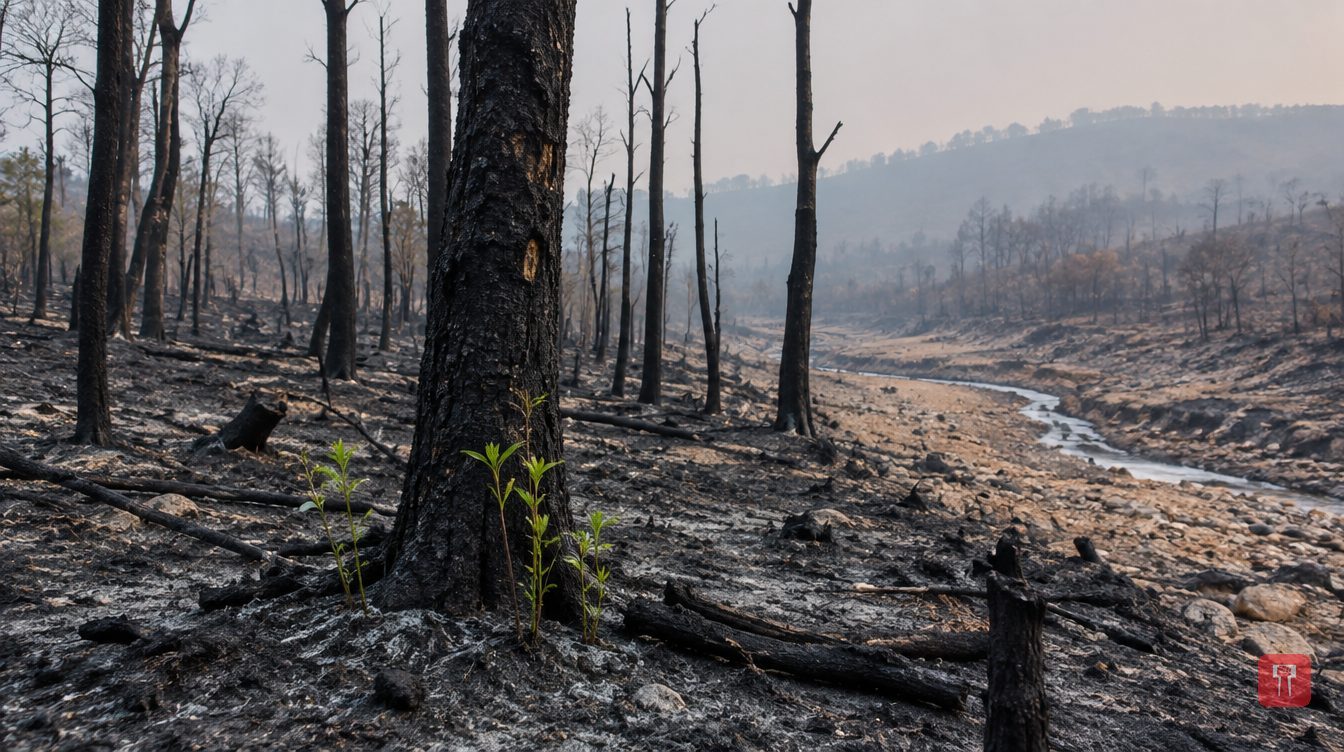
In war, forests are burned. Rivers and water reserves are contaminated with toxic chemicals, and fertile land is turned barren for good. To draw the world's attention to this serious problem, the International Day for Preventing the Exploitation of the Environment in War and Armed Conflict is observed every year on November 6.
The UN General Assembly formally declared November 6 as the day through a special resolution passed on November 5, 2001. The aim was that concrete steps be taken around the world to protect the environment, and that international laws also make room for the protection of nature.
According to a UN study, about 40 per cent of the internal and international conflicts over the past 60 years have been linked to valuable natural resources. These include timber, gold and silver mines, oil, fertile land and water. The fighting was over seizing or exploiting these resources.
During wars, soldiers often set forests on fire as a strategy. Wells and ponds of drinking water are filled with toxic chemicals to cut off the enemy's supplies. Whatever the effect of such acts on the outcome of the fighting, local ecosystems suffer damage that cannot be repaired.
Missiles, bombs and chemical weapons used in present-day wars leave a lasting mark on the earth that does not fade for generations. Environmental damage in war takes two major forms.
The first is large-scale deforestation and loss of biodiversity. Forests are cleared on a massive scale to ease the movement of troops or to deny the enemy places to hide. This leaves thousands of wild animals homeless and pushes many rare animal and plant species to the brink of extinction.
The second is water pollution and the ruin of land. Bomb blasts and the use of explosives cause dangerous chemicals and heavy metals to seep into the soil and groundwater. Thousands of hectares of farmland become barren for good. As drinking water turns toxic, cancer and other serious diseases rise among the people living there.
The UN is clear that true and lasting peace cannot be established in the world without protecting natural resources. When a country tries to stand up again after a war, it needs farming, water and clean air the most. If the very foundation of nature has been hollowed out, the economy and everyday life there can never become stable.
Promoting climate action, the Sustainable Development Goals (SDGs) and environmental justice has therefore become a need of the hour. If we fail today to prevent wars and maintain nature's balance, we will not be able to leave future generations a clean and safe planet to live on.
Reach readers on the ward they actually live in.
Advertise with Prime Time 24Reach readers on the ward they actually live in.
Advertise with Prime Time 24Reach readers on the ward they actually live in.
Advertise with Prime Time 24Reach readers on the ward they actually live in.
Advertise with Prime Time 24
Comments
No comments yet. Be the first.