

Why blood sugar and cholesterol need checking even without symptoms, explains lab chief
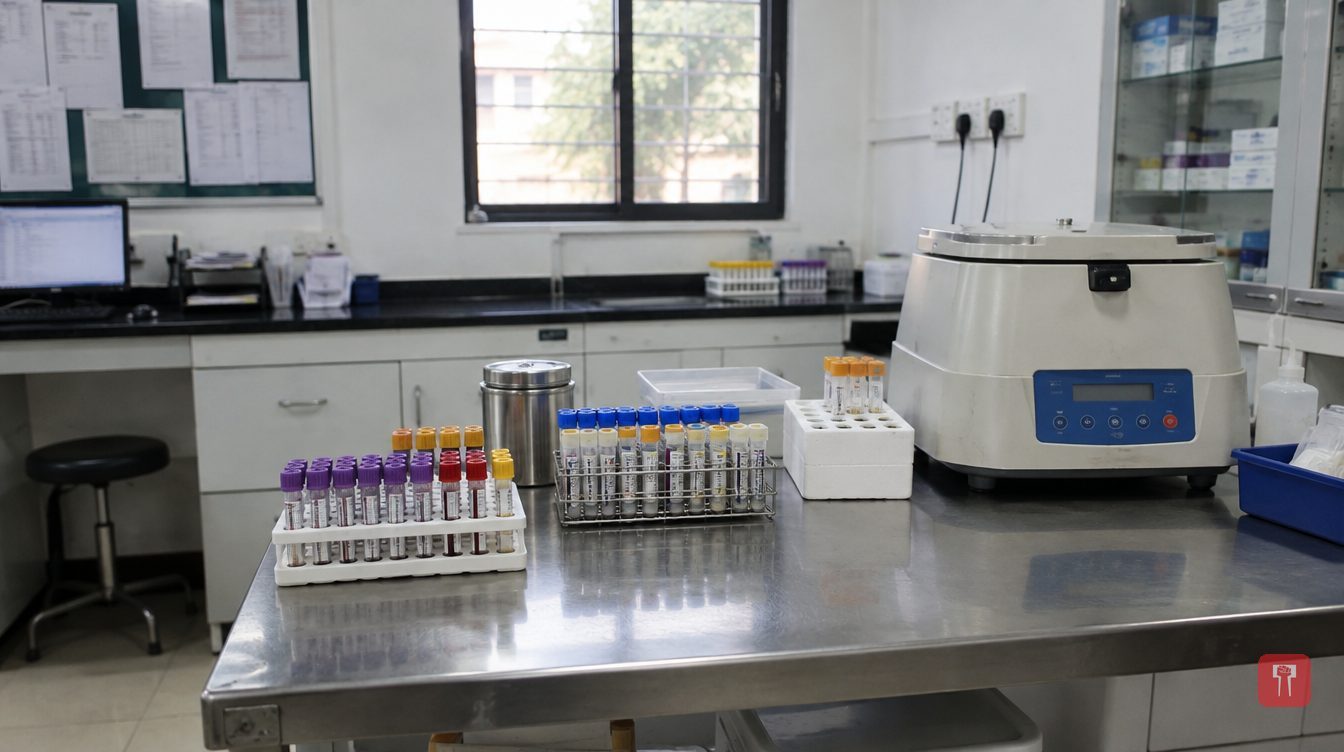 Images are not validated/verified
Dr Madhura Jogwar says raised sugar and cholesterol can harm health silently for years, raising stroke risk, and that regular tests matter even when one feels fit.
A person may eat well, manage daily chores with ease and have no health complaint, yet that does not mean there is nothing to worry about. Dr Madhura Jogwar, lab chief at Metropolis Healthcare Limited (Mumbai), has explained why.
According to Dr Jogwar, rising blood sugar and worsening cholesterol can slowly affect health for years without showing any clear symptoms. By the time symptoms appear, some damage to the body may already have been done.
World Stroke Day is observed on October 29. On the occasion, the need to spread awareness about both these conditions, raised sugar and raised cholesterol, was stressed. Understanding why they must be kept in check even when one feels completely fit is just as important.
Blood sugar, or glucose in the blood, is the body's main source of energy. Insulin, a hormone made in the pancreas, helps carry glucose to the body's cells. When insulin does not work properly or the body does not make enough of it, sugar rises in the blood and diabetes can develop gradually. Dr Jogwar said this happens slowly. A person's sugar can stay high for months or even a year without the usual symptoms of diabetes being felt. In pre-diabetes, sugar is higher than normal but has not reached the diabetes level. Without proper testing, this condition too often goes undetected.
Cholesterol is a fatty substance found in the body. It is needed to build cells and make some hormones. But when LDL cholesterol, commonly called bad cholesterol, becomes too high, it begins to deposit on the inner walls of blood vessels. This forms layers called plaques, which over time narrow the vessels and also reduce their flexibility.
Dr Jogwar said a stroke, or brain attack, can occur in two ways. In one, a vessel supplying blood to the brain gets blocked and oxygen does not reach the brain. This is called an ischaemic stroke. In the other, a vessel in the brain bursts and blood leaks in or around the brain. This is called a haemorrhagic stroke.
She said high LDL cholesterol helps plaques form in the vessels and raises the risk of ischaemic stroke. Diabetes damages the vessels, affecting their inner lining, and increases inflammation in the body. This can speed up atherosclerosis, a process in which layers of fat gradually build up in the vessels and narrow them. High blood pressure is a major risk factor for bleeding strokes, and diabetes also raises the risk of high blood pressure and heart disease. The risk rises further if high blood pressure, smoking, lack of physical activity or excess weight come on top of high sugar and cholesterol. According to the US Centers for Disease Control and Prevention, people with diabetes are about twice as likely as others to have heart disease or a stroke.
On testing, Dr Jogwar said a blood glucose test shows the current sugar level, while an HbA1c test shows the average sugar over roughly the past two to three months. A lipid profile shows the levels of total cholesterol, LDL, HDL (often called good cholesterol) and triglycerides. Special tests such as Apo A, Apo B and Lipoprotein(a) give more information than a routine lipid profile. According to her, these can be useful for people with diabetes, those who have had heart disease at a young age, or those with a firm family history of heart attack or stroke.
Doctors can advise which tests to take and how often to repeat them, based on age, family medical history, weight and blood pressure. Dr Jogwar said an abnormal report must be read in the context of the patient's overall health, and treatment decisions should be taken only on a doctor's advice.
On the symptoms of stroke, she said a face suddenly drooping to one side, weakness or numbness in an arm or leg, difficulty speaking, loss of balance or a sudden change in vision are the main signs. She said that if any of these appear, medical help should be sought immediately. The early period, the golden hour, is crucial in stroke treatment, because every minute of delay can destroy more brain cells. Reaching a hospital equipped to treat stroke in time can make a big difference to a patient's life.
Reach readers on the ward they actually live in.
Advertise with Prime Time 24Reach readers on the ward they actually live in.
Advertise with Prime Time 24Reach readers on the ward they actually live in.
Advertise with Prime Time 24
Comments
No comments yet. Be the first.