

Flu and shingles infections may also raise stroke risk, not just blood pressure, doctors say
On World Stroke Day 2026, doctors note that recent research links some viral infections, including flu and shingles, to a higher risk of stroke.
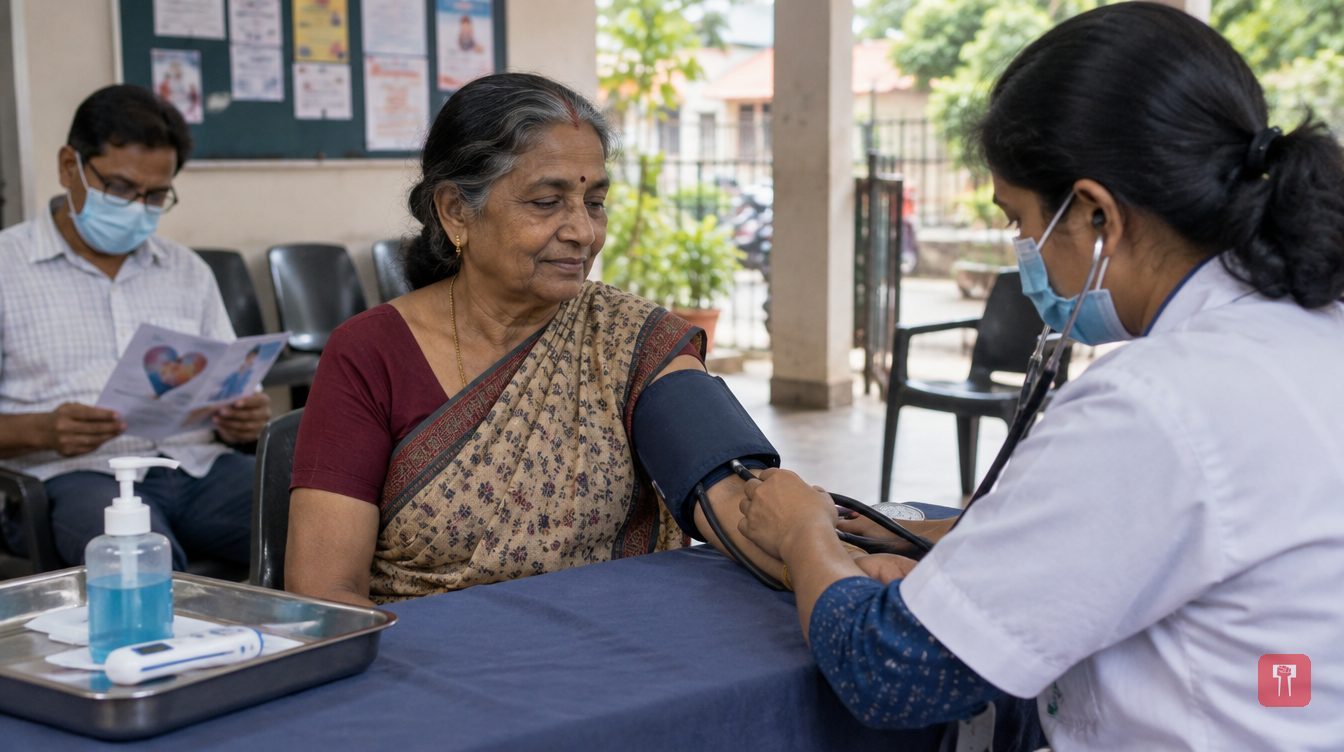 Images are not validated/verified
On the occasion of World Stroke Day 2026, doctors are reminding people that a stroke can change a person's life completely. The impact is felt not only by the patient but also by the family and caregivers. A stroke is commonly called a brain attack. It can occur when blood supply to a part of the brain stops, or when a blood vessel in the brain bursts.
A stroke can happen at any age, but the risk rises as people grow older, because blood vessels lose their earlier flexibility with age. Older people are therefore at greater risk. In India, stroke is the fifth leading cause of disability. Given the rising number of cases and their burden on patients' families and the health system as a whole, it is important to understand what raises the risk so that strokes can be prevented.
When stroke prevention is discussed, the emphasis is mostly on high blood pressure, diabetes, raised cholesterol, smoking and lack of physical activity. All of these factors are important. But there are other risks that people know less about and that are equally important to understand.
The risk of stroke does not always rise only because of problems with the heart or blood vessels. Some recent research has found that certain infections may also be linked to a higher risk of stroke. These include infections caused by viruses such as those behind flu and shingles, yet they often go unnoticed. One possible reason is that viral infections can cause inflammation in the body and also change the way blood clots. This can increase the risk of stroke and other complications related to blood vessels.
Shingles is a disease caused by the reactivation of the varicella-zoster virus (VZV). The same virus causes chickenpox. After chickenpox clears, the virus can lie dormant in the body. Later, especially when immunity weakens, it can become active again and cause shingles.
Most people think of shingles as just a painful rash on the skin. But the disease is not limited to the skin. VZV can affect both small and large blood vessels in the brain, causing inflammation in them. This condition has been linked to a higher risk of stroke and other complications involving the brain's blood vessels.
As people age, it becomes important to know what affects health in order to stay healthy for longer. After the age of 50, those who already have a chronic illness should be especially careful. Alongside keeping the common risk factors for stroke under control, some simple steps can reduce the chance of getting infections and of complications arising from them.
For instance, wearing a mask in crowded places can help when flu and other respiratory infections are on the rise. If symptoms appear, getting tested in time and consulting a doctor can also help. Talking to a doctor about a healthy lifestyle, necessary changes in diet, and vaccinations recommended for one's age and health can also be an important part of a broader approach to protecting health.

Comments
No comments yet. Be the first.