

Which seeds help hair health? Nutritionist Meenakshi Agarwal explains
Nutritionist Meenakshi Agarwal says seeds such as pumpkin, black sesame and fenugreek can support hair health as part of a balanced diet, but are not a cure.
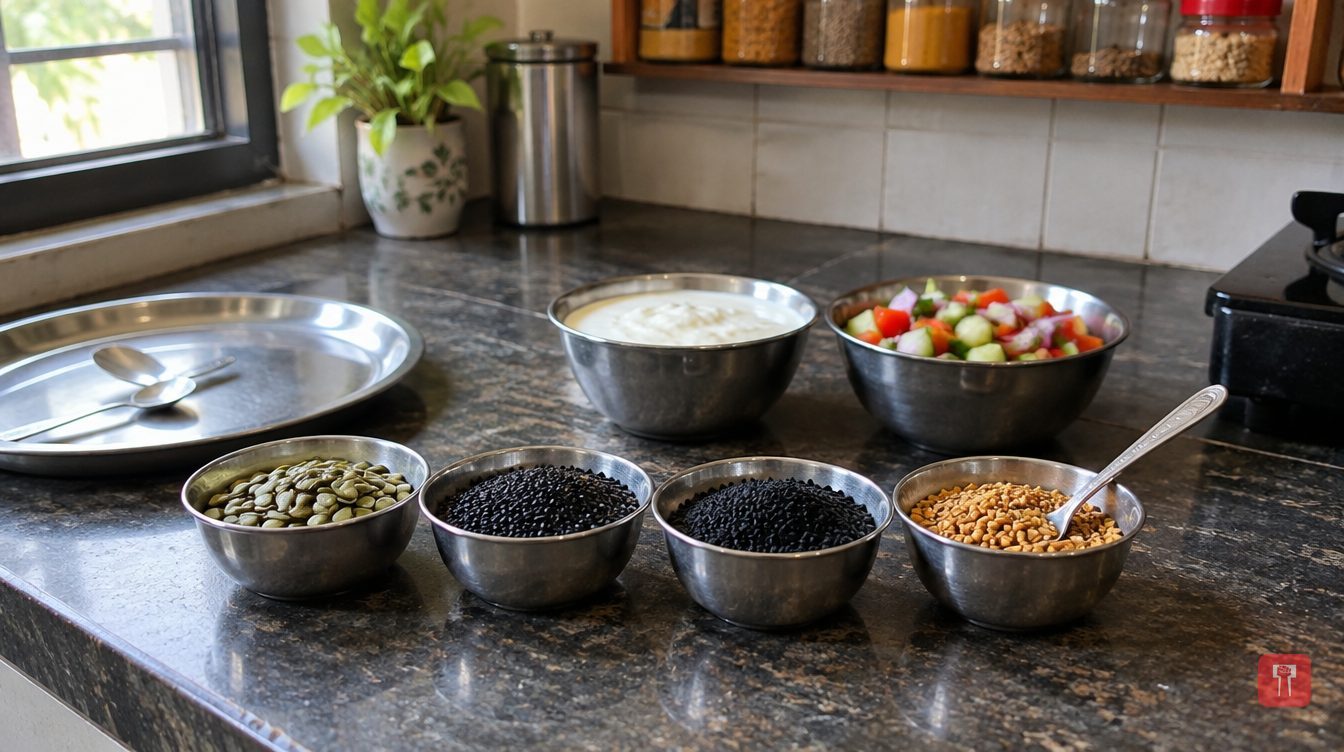 Images are not validated/verified
Seeds such as sunflower and pumpkin can help whether the aim is to grow hair or to stop hair fall. They are rich in nutrients such as zinc and iron, which meet several needs of the hair. Eaten in balanced quantities as part of the daily diet, seeds can give hair strength, colour and shine. Nutritionist Meenakshi Agarwal has explained which seeds can be eaten for hair care.
According to Agarwal, applying a good shampoo, oil or hair mask alone does not improve hair health. Hair roots keep producing new cells and so need full nourishment. A lack of protein, iron, zinc and certain vitamins or minerals can cause hair to fall and break, and lead to other problems.
Iron and zinc are the most important for healthy hair. Omega-3 fatty acids, protein, biotin and vitamins A and D are also needed. All these nutrients are found in good quantity in seeds. Adding seeds such as pumpkin seeds, sesame and flaxseed to a balanced diet can make up for them.
People who face heavy hair fall can include pumpkin seeds in a balanced diet. They are rich in zinc, which plays a big role in cell division, protein formation and tissue repair. Hair roots constantly produce cells, and zinc helps in this work. Pumpkin seeds may help maintain the process of cell renewal.
Pumpkin seeds should be eaten in a limited quantity of one or two spoons. They can be added to salad, curd or porridge, or eaten as a snack. They are not a complete cure for all hair problems, but as part of a balanced diet they can contribute to hair health.
Nigella (kalonji) seeds are used in many home remedies. They contain a compound called thymoquinone, which is said to have antioxidant and anti-inflammatory properties. According to some clinical studies, eating them relieves inflammation and oxidative stress in the body. Persistent inflammation and oxidative stress affect the scalp environment and increase sebum production. Bacteria that feed on sebum multiply and cause dandruff. Dandruff can lead to hair fall, and to problems such as itching and irritation of the scalp.
Neem seeds contain essential fatty acids and minerals that can neutralise free radicals and reduce oxidative stress and inflammation. They can be included in small quantities in the daily diet. However, applying neem oil can cause irritation or allergy on the scalp in some people.
Black sesame provides nutrients such as copper, iron, calcium and healthy fats. Copper plays an important role in the working of many essential enzymes and in normal metabolism. A lack of copper can also turn hair grey early. Greying has many causes, including heredity, oxidative stress, lifestyle, medicines or medical conditions. Nutrient deficiency is also a major cause, and it can be corrected with a proper, balanced diet. Including black sesame in the diet gives the body copper, which can help prevent premature greying caused by nutritional deficiency.
Black sesame can be eaten in salad, chutney, roti or other dishes. One or two spoons of sesame can be taken daily. Some people may be allergic to sesame, so they should take care of their health.
Fenugreek seeds contain protein, fibre, iron and several bioactive compounds. Hair is made mainly of a protein called keratin, so both the body and the hair need adequate protein. Fenugreek seeds can help supply these nutrients. They help maintain the normal structure of hair and strengthen it.
To include fenugreek seeds in food, soak them until they swell. Sprouting them is better still. Generally, one spoon of fenugreek seeds can be eaten daily. A paste of fenugreek seeds can also be useful. Applied to the hair, it gives a spa-like feel and leaves hair soft and shiny for a while.
Eat seeds, but not too many. Their quantity should be kept limited to maintain a balanced diet. These seeds can contribute to hair health by meeting nutritional needs, but it would be wrong to adopt them as the first treatment for any hair problem. If there is already hair fall, breakage or dandruff, it is necessary to consult a dermatologist rather than try home remedies at random.

Comments
No comments yet. Be the first.