

What an MBBS doctor can do: work, jobs and salary explained
An MBBS degree takes five and a half years and opens careers in government and private hospitals, the armed forces, private clinics and further specialisation.
 Images are not validated/verified
At the mention of illness or a hospital, the image of an MBBS doctor in a white coat comes to mind. In India, MBBS is considered the first and strongest step in medical education and treatment. People have many questions about the degree, the work doctors do and what they earn, such as whether an MBBS doctor can perform operations or only provides primary care.
MBBS stands for Bachelor of Medicine and Bachelor of Surgery. After earning the degree, a person becomes a physician. The course runs for five and a half years, including 4.5 years of study and one year of compulsory internship. After this, a doctor gets the legal right to treat patients. Career paths open up from government hospitals to a doctor's own clinic.
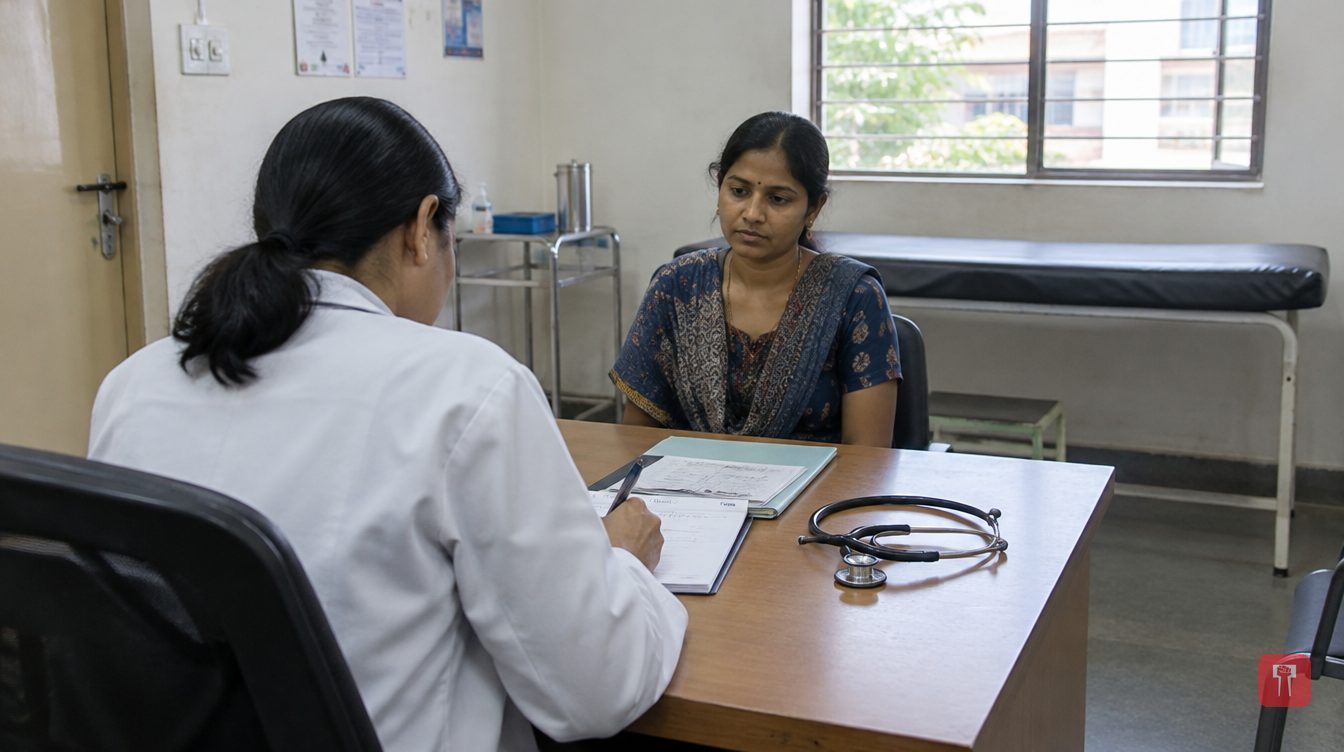
MBBS doctors are mainly general physicians or primary care physicians. Their job is to make an initial diagnosis and begin treatment. They examine and diagnose common ailments ranging from fever, cold and cough to blood pressure and diabetes. They prescribe medicines according to the illness and, when needed, advise patients to get pathology tests or scans.
If an illness is serious, the patient is referred to a specialist such as a cardiologist, neurologist or orthopaedic surgeon. In emergencies and minor surgery cases, stitching minor and major injuries, dressing wounds and saving a patient's life in a crisis are also counted among their duties.
On jobs, the MBBS degree is valid across the country. From large Central or state government hospitals to primary health centres in villages, there is a post of medical officer (MO) at CHCs and PHCs. Large multi-speciality private hospitals such as Fortis, Max or Apollo offer work as junior resident (JR) or emergency doctor. A post as captain or medical officer in the Indian Army, Navy, Air Force or BSF is another route. There are also openings in the medical health centres of large companies, pharmaceutical companies and research labs.
To start independent practice, an MBBS doctor can open a clinic or primary health care centre after registering with the National Medical Commission (NMC). Registration with the State Medical Council is mandatory to open a clinic. Permits for biomedical waste disposal and from the local authority, that is the municipal corporation or municipal council, are also required. They can also offer tele-consultation.
Salary depends on experience, place of work (city or village) and job profile. In the government sector, the starting salary ranges between Rs 65,000 and Rs 90,000 a month, including NPA, or non-practising allowance. In the private sector, the starting salary is about Rs 50,000 to Rs 75,000 a month. At their own clinic, if the location is good and many patients come, there is no upper limit to earnings. At the start, Rs 1 lakh to Rs 3 lakh a month or more can be earned comfortably.
Most medical graduates study further for specialisation after MBBS. MD (Doctor of Medicine) is for non-surgical specialisations such as paediatrics, dermatology and general medicine. MS (Master of Surgery) is for surgical specialisations such as general surgeon and ENT surgeon. In addition, DNB or a diploma can be used to gain expertise in other clinical fields.
