

Vance asks why Iran needs 60% enriched uranium, says war goes on unless US terms are met
US Vice President J D Vance says Tehran must sharply cut its enrichment capacity before the seven-month war can end, and that words and paper deals will not do.
 Images are not validated/verified
Political moves are under way to end the military conflict between the United States and Iran, which has run for the past seven months, but the road to peace does not look easy. Tension in the Middle East and the war-like situation are growing more complicated by the day. Against this backdrop, US Vice President J D Vance has made a very sharp statement on Iran.
In a special interview, Vance said that before this seven-month war can end, Tehran will have to make a large and significant reduction in its nuclear enrichment capacity. He said the US is ready to find a solution through diplomacy and negotiations, but the war will not stop on the strength of verbal assurances or by signing paper agreements. He also said the US would consider a ceasefire only if Iran took concrete steps on the ground. The condition has caused considerable stir in Tehran's administration.
Questioning Iran's claims, Vance took a direct position. "If Iran's claim is that it does not want to develop nuclear weapons, then why does it need 60% enriched uranium fuel?" he said. He argued that no civilian energy project needs fuel enriched to such a high level. If Iran wants to show the world that its intent is pure, it will have to stop producing more highly enriched fuel immediately, he said.
Vance stressed that this is the most important and crucial issue in the negotiations. Curbing Iran's capacity to make nuclear weapons is the main condition of the Trump administration. A peace agreement is therefore considered difficult unless Iran itself places limits on its nuclear programmes.
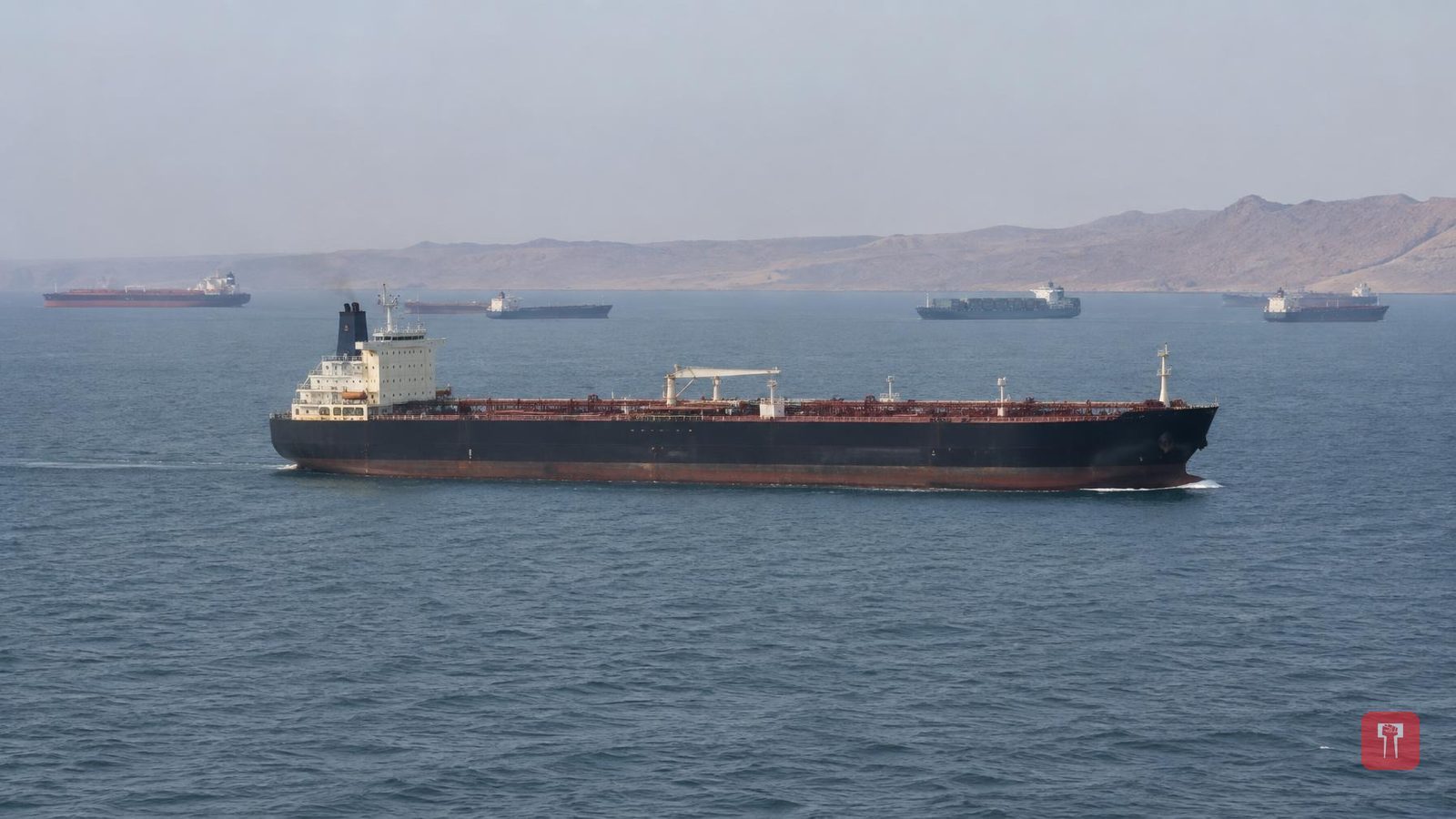
In recent weeks, both countries have put forward some proposals to end the conflict and to reopen the Strait of Hormuz, a sea route vital to global trade. The route is considered highly sensitive for the movement of crude oil and fuel across the world.
However, US President Donald Trump has flatly rejected Iran's latest peace proposal. Trump has hinted that after the US midterm elections in November, the US could intensify its military action against Iran. So even as talks continue, tension on the actual battlefield has not eased.
The US's hard line and the prolonged war with Iran have created major uncertainty and confusion in the international energy market. With fuel prices soaring, domestic political pressure on the Trump administration keeps rising. Inflation and rising fuel prices are proving the most sensitive issue in the US midterm elections.
Washington faces another big difficulty. It is still unclear who in Tehran actually holds decision-making power. American officials are in touch with Iranian President Masoud Pezeshkian and Foreign Minister Abbas Araghchi. But J D Vance has raised doubts about how much authority these leaders carry within Iran's power structure and before its supreme religious leadership. Only time will tell whether Iran takes a positive step in response to the tough US conditions or the conflict flares up further.
