

China may cut export tax rebate on EVs to pressure Europe in trade talks
China could use a reduction in its export tax rebate on electric vehicles as leverage in trade talks with the European Union, an analysis says.
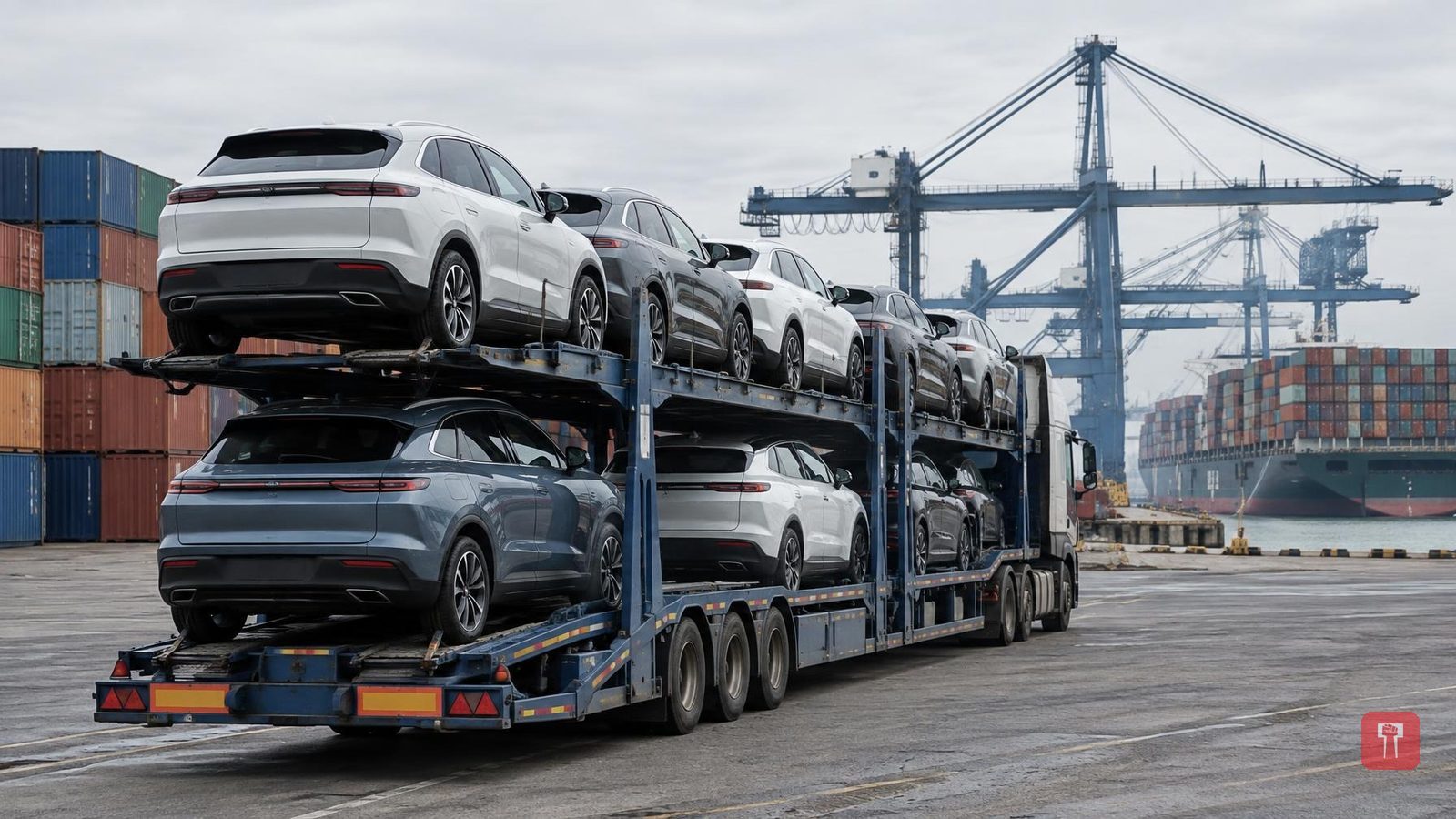
The tussle between China and the European Union over the car trade is no longer limited to import duties and electric vehicles. China could use the prospect of reducing the export tax rebate on its electric vehicles as a pressure tactic in its ongoing trade talks with Europe.
An analysis says China currently gives a rebate of about 13 per cent on the export of electric vehicles. Plans to reduce it gradually are under consideration.
The rebate on exports of China-made electric vehicles plays an important role in carmakers' profits. If it is reduced or withdrawn, the profits of companies shipping cars from China to Europe could be affected.
Large companies can absorb the shock on the strength of their pricing, technology and brand. Smaller manufacturers, however, are expected to be hit harder. A decision to cut the rebate could therefore become not just an economic step for China but an important trade policy option.
The EU has already imposed additional duties on electric vehicles coming from China. The EU's argument is that Chinese carmakers benefit from government support, which is putting pressure on European manufacturers. China has now kept several options open to respond to trade pressure from Europe.
Beijing has particularly opposed the talk of restricting sales of Chinese hybrid vehicles in Europe. China's position is that any export restriction should conform to WTO rules and be imposed only with the interests of both sides in mind.
The China-EU confrontation is unlikely to remain confined to the automobile sector. China has major control over rare earth minerals and their processing industry. It has the capacity to restrict the supply of these minerals, which are essential for electric cars, batteries, electronics and the energy sector.
As a result, dependence on China has become an important economic and industrial issue for Europe. Meanwhile, the EU's trade deficit with China is growing and reached about 360.6 billion euros in 2025. Brussels is therefore likely to step up trade pressure on China, and Beijing may respond.
