

US-Iran tensions peak as tankers attacked near Hormuz and both sides prepare militarily
 Images are not validated/verified
Tension between the US and Iran has reached its most dangerous level yet, with tanker attacks in the Strait of Hormuz and both militaries on a war footing.
Tension between the United States and Iran has reached its most dangerous level so far. The militaries of the two countries are facing each other, and there are signs of a major war in the Middle East.
It is being claimed that Iran is rapidly trying to develop a nuclear bomb in its secret mountain tunnels. With international safety standards set aside in the rush, there is a risk of a serious nuclear accident. Iran's new leadership and the Islamic Revolutionary Guard Corps (IRGC) have ordered citizens to prepare for a possible emergency and war.
The United States, for its part, has sharply increased its military presence in the Gulf countries. Cargo aircraft equipped with the Patriot air defence system, advanced fighter jets and Marine Expeditionary Units have been deployed near Iran's border. Military movements in the region have gathered pace after remarks by former US President Donald Trump. Talk in international diplomatic circles is that the US could launch a major attack at any moment to destroy Iran's secret nuclear programme.
According to intelligence reports, mysterious activity is under way in tunnels in Iran's high-altitude PICEX mountain. The tunnels lie hundreds of feet underground and are considered difficult to penetrate even with bunker-buster bombs. Military experts say that because basic safety rules are being ignored, there is a fear of intense radiation spreading or of a major explosion.
There is an atmosphere of fear among ordinary people in Iran, who have begun stockpiling food grain, medicines and essentials. The IRGC is reportedly asking the public to prepare mentally for a nuclear catastrophe. Western media have expressed suspicion that, if an accident occurs while weapons are being made, Iran plans to blame it directly on a US attack.
In air power, the US military has kept ready its fleet of F-35 stealth fighters, its most advanced, to carry out precise and swift strikes on Iran. These aircraft are adept at evading radar. In response, Iran has deployed a missile called "358". It does not rely on conventional radar but uses passive infrared sensors and tracks the heat from an aircraft's engine, known as its thermal signature.
After launch, the 358 can loiter in the air for about 60 minutes, so it works like an airborne mine. Travelling at 640 km per hour, the missile does not show up even on the F-35's radar. The pilot becomes aware of it only at the last moment, making evasion extremely difficult. On bursting, it throws out hundreds of bullet-like pellets that can easily pierce the shield of a sturdy aircraft such as the F-35.
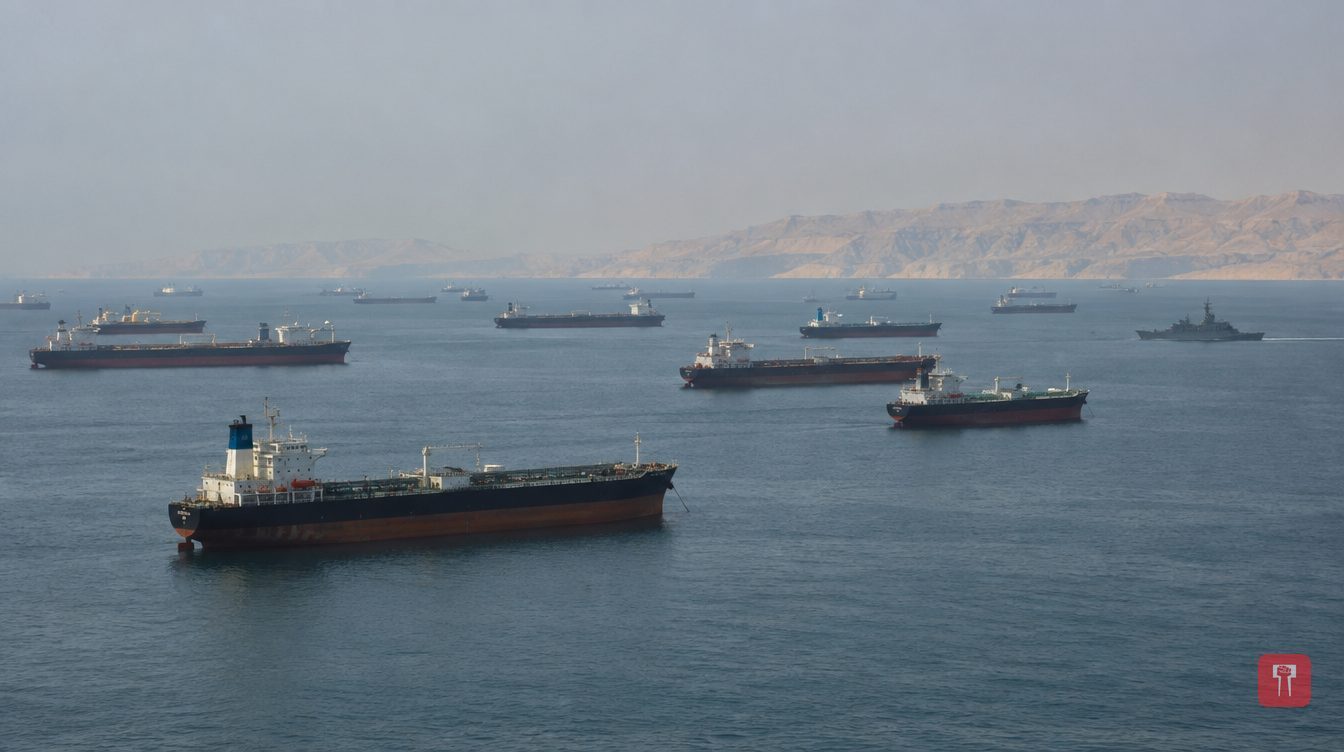
The situation is extremely grave in the Strait of Hormuz, through which more than 30 per cent of the world's oil is transported. In October, more than 28 oil tankers were attacked in the area, and more than 115 ships are stranded in the Gulf. Iran's attempt to gain control of the sea route has put the global fuel supply chain at risk.
In response, the US Central Command (CENTCOM) has ordered units of its navy and Marine Corps to undertake intensive drills. American commandos are engaged in exercises to storm tunnels and seize uranium, and in hand-to-hand combat training. Mock drills for taking control of Iranian islands by helicopter are also being held. According to Trump, even if the crisis causes temporary hardship, the global oil market cannot return to normal without decisive action against Iran.
Reach readers on the ward they actually live in.
Advertise with Prime Time 24Reach readers on the ward they actually live in.
Advertise with Prime Time 24Reach readers on the ward they actually live in.
Advertise with Prime Time 24
Comments
No comments yet. Be the first.