

Tadoba-Andhari tiger count rises from 15 in 2010 to 89 in 2025
Maharashtra's Tadoba-Andhari Tiger Reserve recorded 89 tigers in the 2025 count, up from 15 in 2010, showing the value of sustained protection and habitat care.
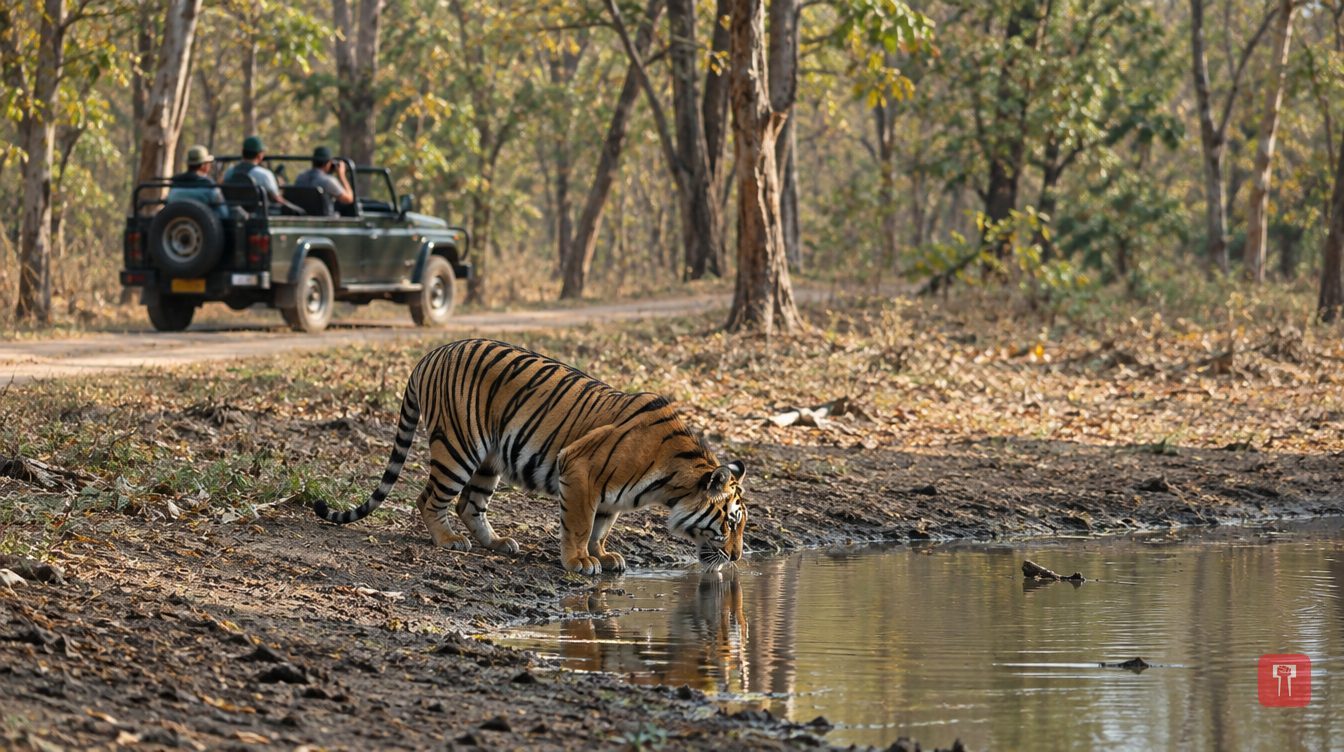 Images are not validated/verified
Maharashtra's Tadoba-Andhari Tiger Reserve has become a major draw for wildlife enthusiasts. It had 15 tigers in 2010. The 2025 count puts the number at 89. The increase shows how important consistent protection of wildlife and upkeep of habitat are.
Located in Chandrapur district, Tadoba is known across the country for its tigers, its variety of animals and the safari experience. Tourists, wildlife photographers and nature lovers come from every corner of the country.
According to available figures, 15 tigers were recorded in Tadoba in 2010. There were 65 in 2014 and 87 in 2022. The number is said to have reached 95 in 2024, while in 2025 it stands at 89.
The difference between the 2024 and 2025 figures does not necessarily mean that tigers have actually declined. The scope of the survey, the methods used to identify tigers and the counting technique can all affect the estimate. To draw a firm conclusion, the detailed findings and methodology of the relevant Forest Department surveys would have to be examined.
Sustaining the tiger population requires protecting forest habitat, curbing poaching and maintaining adequate water sources. Conservation also depends on preserving the animals tigers prey on, limiting harmful human interference and involving people living near the forest in the work. As tiger numbers grow, the authorities will also have to address human-wildlife conflict, fragmented habitats and the challenge of keeping the ecological balance.
Tadoba plays an important role in the large wildlife belt of central India. Tigers move from one habitat to another through corridors that connect forests. This sustains genetic diversity and allows the tiger population to spread to suitable areas. Connectivity with the forests linked to Pench, Bor and Umred-Pauni is necessary for long-term conservation. Keeping these routes unbroken and planning development around sensitive habitats are key priorities.
Tadoba-Andhari has become a major centre for wildlife tourism in Maharashtra. Besides seeing tigers in their natural habitat, visitors can also see leopards, bears, wild dogs, deer and many birds. Safaris, guide services, transport, accommodation and other tourism-linked businesses also provide local people with jobs. However, even as tourist numbers grow, tourism must stay within conservation rules so that wildlife is not disturbed and habitat is not damaged.
The rise from 15 tigers in 2010 to 89 in 2025 shows the importance of long-term conservation in Tadoba. Yet increasing the numbers alone is not enough. Safe habitat, sufficient prey, connected corridors and effective measures to reduce human-wildlife conflict are equally important. For Nagpur and Vidarbha, Tadoba is a major natural asset, where biodiversity conservation, tourism and local economic opportunity come together. Continued protection of habitat and responsible tourism will help Tadoba remain one of the leading wildlife destinations in Maharashtra.
