

People ageing with HIV demand binding UN treaty on rights of older persons
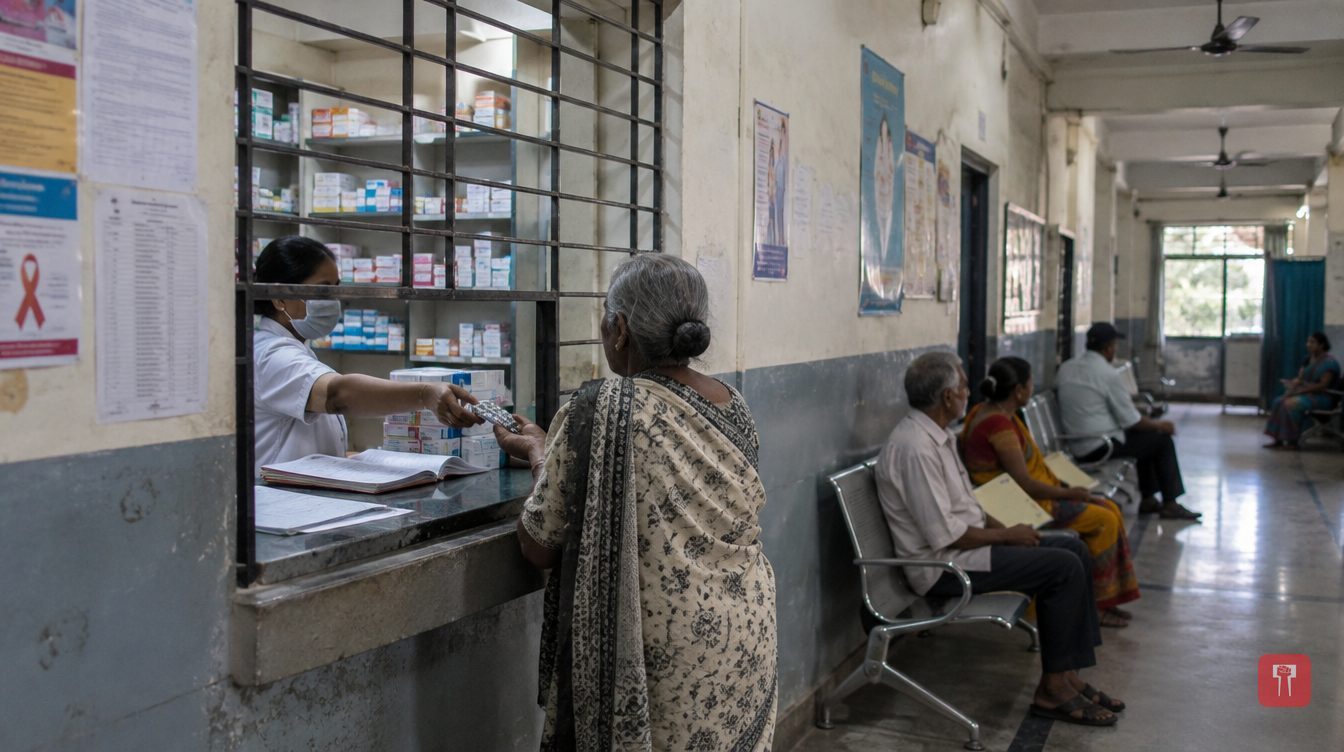 Images are not validated/verified
People living with HIV, now growing old thanks to lifesaving drugs, say discrimination, other illnesses, money worries and fragmented care threaten their rights and dignity.
People living with HIV are now growing old. Thanks to lifesaving antiretroviral drugs, they are living normal lives, and the drugs are available free in government health services. But their challenges are not over. Social discrimination, other illnesses that come with age, financial strain and a lack of coordination among health services are putting their rights and dignity at risk. People living with HIV have therefore demanded a binding United Nations treaty on the human rights of older persons. They want it to settle the dignity of older people, gender equality and the responsibility of governments.
According to points raised at the session, medicines, scientific progress and community efforts mean people living with HIV are now living long and healthy lives. It was also said that if a person's viral load stays so low that it cannot be detected in tests, the person does not pass HIV on through sexual contact. Even so, those living long lives have not been assured of dignity, safety and equal rights.
Nicoletta Policek, who has lived with HIV for 42 years, said, "We are at a very important point in history. For the first time, people living with HIV have the chance to grow old." Policek is co-founder and director of "PRISMA". In her view, longevity is not only a triumph of medical science but also the fruit of collective struggle, compassion and the resilience of communities. She spoke at the She and Rights session.
An estimated 11.5 million people living with HIV worldwide were aged 50 or older in 2025, about 29 per cent of the total. By 2040 the number is projected to reach 20.2 million, about 51 per cent of the total.
Ageing with HIV can be complicated for many. Some people see age-related illnesses appear relatively early. But experience is not the same for everyone. Alongside high blood pressure, diabetes, heart disease and other non-communicable diseases, mental health, difficulty in moving about and social isolation may also call for care.
Tariro Kutadza, advocacy head of ZNNP+, a group of people living with HIV in Zimbabwe, said, "Longevity is a major achievement. Now the goal is for people to age in good health and with dignity." Speaking from her own experience, she said that while battling several illnesses, people also face discrimination, isolation and limited treatment options. She said the success of health care should not be measured only by whether the viral load is under control. Continuity of treatment, timely detection of other illnesses, mental health and care suited to the individual's needs should matter equally, she said. She also underlined that with age the risk of TB can rise two to three times compared with others, and that it rises further for people living with HIV.
Daksha Patel, co-founder and former president of NCPI+, a group of people living with HIV in India, pointed to the fragmented structure of the health system. In her words, people living with HIV may have to go from one hospital and department to another. To get the benefit of government schemes, they must submit many documents and meet eligibility conditions. Health insurance and social security arrangements suited to their needs are also inadequate. A scheme existing on paper and the person in need actually receiving its benefit are two different things, she said. Patel spoke of the need to strengthen peer support networks led by people living with HIV. She also stressed the need for a community monitoring system that records denial of health care, discrimination and barriers to reaching government schemes.
Policek said the UN's Universal Periodic Review process is an important forum for reviewing the work of governments. A process is under way in the UN Human Rights Council to draw up a legally binding international instrument to protect the human rights of older persons. The demand is that the treaty place clear legal obligations on governments to prevent discrimination on grounds of age or HIV status in health care, insurance, employment, housing, social security and long-term care. It was also said that it should cover the double discrimination faced by older women, transgender people and persons with disabilities, and should guarantee confidentiality.
Reach readers on the ward they actually live in.
Advertise with Prime Time 24Reach readers on the ward they actually live in.
Advertise with Prime Time 24Reach readers on the ward they actually live in.
Advertise with Prime Time 24
Comments
No comments yet. Be the first.