

Binding global treaty on older people's rights needed, speakers urge at Geneva meeting
Speakers at a Geneva session said a legally binding international treaty is still needed to protect the rights of older people, as the UN Human Rights Council works on a draft.
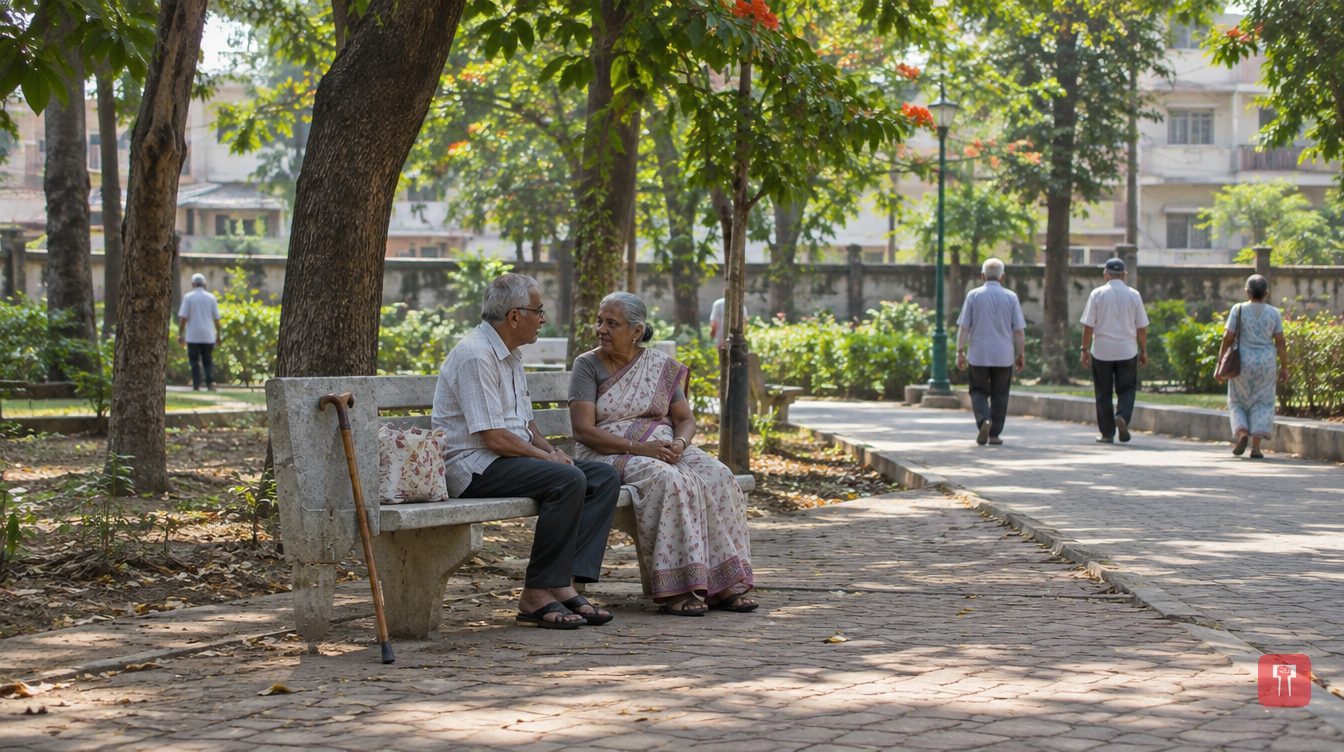 Images are not validated/verified
The world's population is ageing rapidly. The question is whether older people truly get the right to live with dignity, equality, security and good health. There is also the question of why they have to struggle against poverty, social exclusion, and for health care and justice. Although the international human rights system has made progress, a separate, legally binding international treaty to protect their rights is still needed.
The demand is not new. In 1948, while the Universal Declaration of Human Rights was being drafted, Argentina proposed a "declaration of the rights of older persons". About eight decades later, the UN Human Rights Council has set up an intergovernmental working group to draft such a treaty. It is hoped the treaty can tackle the deep-rooted problems of age-based prejudice and discrimination.
Khalid Hussein, secretary of the working group at the Office of the UN High Commissioner for Human Rights, said the needs and experiences of older people do not get enough space in the current human rights system. Age-based discrimination, the stereotypes linked to it, other prejudices and exclusionary treatment are still not taken seriously, he said. He also made clear that the experience of old age is not decided by the number of years alone. A person's social, economic and personal circumstances play a big part. When these people are under-represented in government data and human rights reports, their needs fall behind when policies and services are decided.
Hussein presented these views at a "She and Rights" session held before the intergovernmental meeting on the human rights of older people. The session was organised by the Global Centre for Health Diplomacy and Inclusion and CNS, in collaboration with various international civil society organisations.
Shobha Shukla, leader of She and Rights and a committed feminist activist, said the exclusion of older people is not always "unintentional". Systemic barriers, prejudice and patriarchal thinking can keep them out of policy discussions and away from the scope of protection. Citing data from the UN Human Rights Council's Universal Periodic Review (UPR), she said that of more than 124,539 recommendations since 2008, only 681 related to older people, or just 0.5 per cent. This shows how far their rights remain at the margins of global debate.
Rachel Rial, data manager at the Global Centre for Health Diplomacy and Inclusion in Geneva, spoke about the Health and Rights Observatory. This free, public and interactive platform links UPR recommendations to health indicators. Of about 29,000 health-related recommendations, only 144 focused specifically on the health of older people, she said. Although governments supported about 92 per cent of them, the issue still did not get enough priority. Such platforms can help track government commitments, find gaps and increase accountability.
Rose Gahire, co-chair of the Global Alliance for the Rights of Older People, said a legally binding treaty is an opportunity to fill gaps in protection, clarify the responsibility of governments and fix accountability. She said: "Ageing is for everyone, but ageing with dignity, security and respect is not yet everyone's reality." The treaty must address age-based prejudice and discrimination, she said, because it affects independence, employment, participation in policy decisions, and safety in conflicts and natural disasters. She stressed that a regional protocol that came into force in Africa in 2024 is an important foundation, and that a global treaty should strengthen such arrangements.
Nicoletta Policek, who has lived with HIV for 42 years and is co-founder and director of PRISMA, said ageing with HIV is a question of rights, resources and the power to decide. She said: "Living longer must also mean being able to live with rights, dignity and the power to shape our own lives."
Dr Imran Pambudi of Indonesia's health ministry cited examples of integrated primary health care, free health check-ups and services accessible to people with disabilities. In his words: "Ageing is an achievement of human development; it is our responsibility that everyone can experience it with dignity, health and meaning." Gahire had the closing words: "Human rights do not diminish with age. Dignity has no expiry date."

Comments
No comments yet. Be the first.