

Pentagon asks Baltic leaders to tone down rhetoric against Russia after US-Russia oil deal
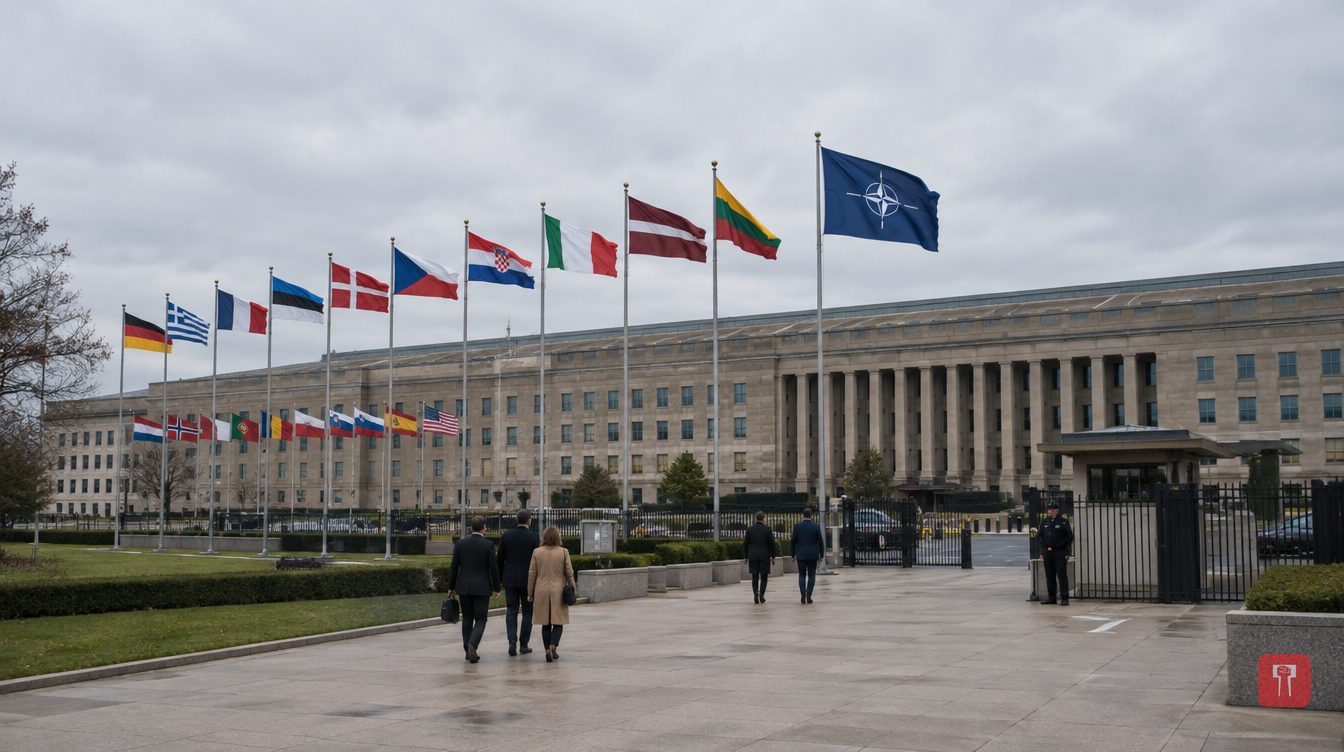 Images are not validated/verified
The Pentagon has told European leaders, the Baltic states in particular, to stop aggressive remarks on Russia, deepening signs of a rift within NATO.
The Trump administration's stance has changed after a recent major diesel and oil deal with Russia. The US Department of Defence, the Pentagon, has given European leaders a clear and stern warning to stop aggressive statements and comments against Russia immediately. The position is giving clear signs of widening differences among NATO countries.
The situation was different a few months ago. The Trump administration was then planning a 100 per cent tariff on countries buying Russian oil. The US then struck an oil deal with Russia itself, after which Washington's policy on Russia changed completely. American officials now claim that some statements by European leaders against Russia are proving dangerous for the security and peace of the entire European continent. For this reason, pressure is being increased on European countries to soften their language against Moscow.
The Pentagon has specifically asked the leaders of the three Baltic countries, Lithuania, Latvia and Estonia, to show restraint when speaking against Russia. The message was conveyed to European leaders by Elbridge Colby. Colby is the Pentagon's policy chief and also the senior official heading the high-level team reviewing the deployment of US troops in Europe.
In a conversation with a Baltic official, Colby cited a statement by Estonian Prime Minister Kristjan Michal. In late September, Michal criticised Russian President Vladimir Putin and compared him to a "rat cornered". The US has expressed concern that such sharp and provocative statements could make Russia more aggressive and endanger security in the region.
The new US strategy comes as the Trump administration works on a fresh round of talks to end the Russia-Ukraine war. Proposals to ease some of the sanctions on Russia are being considered, and pressure is also being put on Ukraine to stop attacks on Russian energy projects. All this appears to threaten NATO unity.
NATO officials have split into two clear camps on how to deal publicly with the threat from Russia. One camp believes that continued warnings against Russia keep fear alive in Moscow. The other camp, especially the US, holds that rather than repeatedly frightening Europeans with talk of war, they should pursue pragmatic politics, so that security spending and tension stay under control.
While the US shows restraint, tension persists in Europe over incidents of sabotage in which Russian involvement is suspected. Two Belarusian nationals were recently arrested in Germany on charges of plotting to set fire to key military and civilian sites. Germany has also directly blamed Russia for an attempted drone attack at Leipzig/Halle airport in September. Moscow has consistently denied all these allegations, yet fear of Russia persists in European countries. How well the US advice of restraint will go down with Europe remains to be seen.
Reach readers on the ward they actually live in.
Advertise with Prime Time 24Reach readers on the ward they actually live in.
Advertise with Prime Time 24Reach readers on the ward they actually live in.
Advertise with Prime Time 24
Comments
No comments yet. Be the first.