

No majority in Israel election, Arab parties emerge as kingmakers
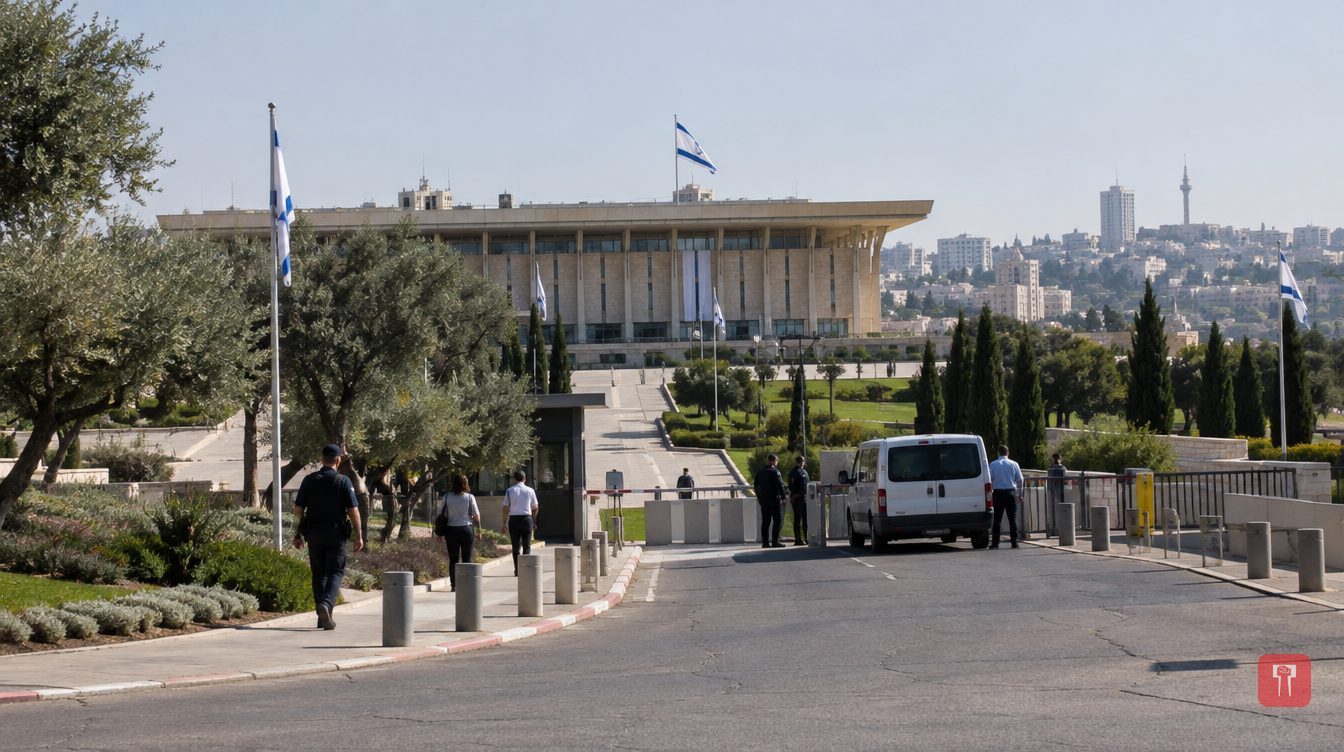 Images are not validated/verified
Neither Prime Minister Benjamin Netanyahu's right-wing bloc nor the opposition reached the 61 seats needed in the Knesset, leaving Arab-majority parties pivotal.
The results of Israel's recent general election have set off a stir in the country's politics. Neither Prime Minister Benjamin Netanyahu's right-wing coalition nor the opposition reached the majority of 61 needed to form a government in the Israeli parliament, the Knesset. In this hung situation, Arab-majority parties have taken on a crucial role and have emerged as "kingmakers" of the next government.
According to Election Commission figures, Netanyahu's bloc is estimated to win 53 seats, while the opposition alliance has won 48. But the strong showing of the Arab parties changed the picture of the entire election. The Joint List and the Ra'am party together are estimated to win 19 seats. In the 120-member Knesset, this is considered the best performance by Arab parties so far.
A major reason for this success was heavy turnout among Arab voters. Overall voting reached about 77.7 per cent, the highest since 1999. In some Arab-majority towns the figure was around 85 per cent.
There was deep resentment in Arab society over the current government and its right-wing policies. The community has for years struggled with serious problems such as organised crime, an acute shortage of housing, social discrimination and a lack of government funds. Out of a sense of neglect and a desire for change, Arab citizens turned out in large numbers to vote, and the Arab parties benefited directly.
Arab parties could be a key force in keeping Netanyahu out of power, but the path is not easy. The Joint List and the Ra'am party follow different political strategies. The Joint List has generally avoided joining governments led by Jewish parties directly. It may, however, be willing to support the effort to remove Netanyahu from outside, in parliament.
The Ra'am party, led by Mansour Abbas, on the other hand, has already taken a historic step by joining a coalition government. Abbas has indicated that he could consider joining the government if the opposition alliance accepts his demands. But opposition leaders face internal political difficulties too. Some Jewish opposition leaders are firmly opposed to working with Arab parties, making the building of an alliance a thorny task.
Israel's president will now hold talks with the leaders of all parties and give one leader 28 days to form a government. If that first leader fails, the second leader will be given a chance. There are three routes to a government in the present situation. The first is a government formed by bringing together the opposition and the Arab parties. The second is a national unity government. The third is fresh elections if talks fail. Given the circumstances, Israel's future politics and the future of the prime minister's post will rest on the stance of the Arab parties.
Reach readers on the ward they actually live in.
Advertise with Prime Time 24Reach readers on the ward they actually live in.
Advertise with Prime Time 24Reach readers on the ward they actually live in.
Advertise with Prime Time 24
Comments
No comments yet. Be the first.