

Newborns can look healthy but still hide metabolic disorders: why screening matters
Doctors say a newborn who looks perfectly healthy may still have a hidden metabolic disorder, making lab screening essential alongside physical checks.
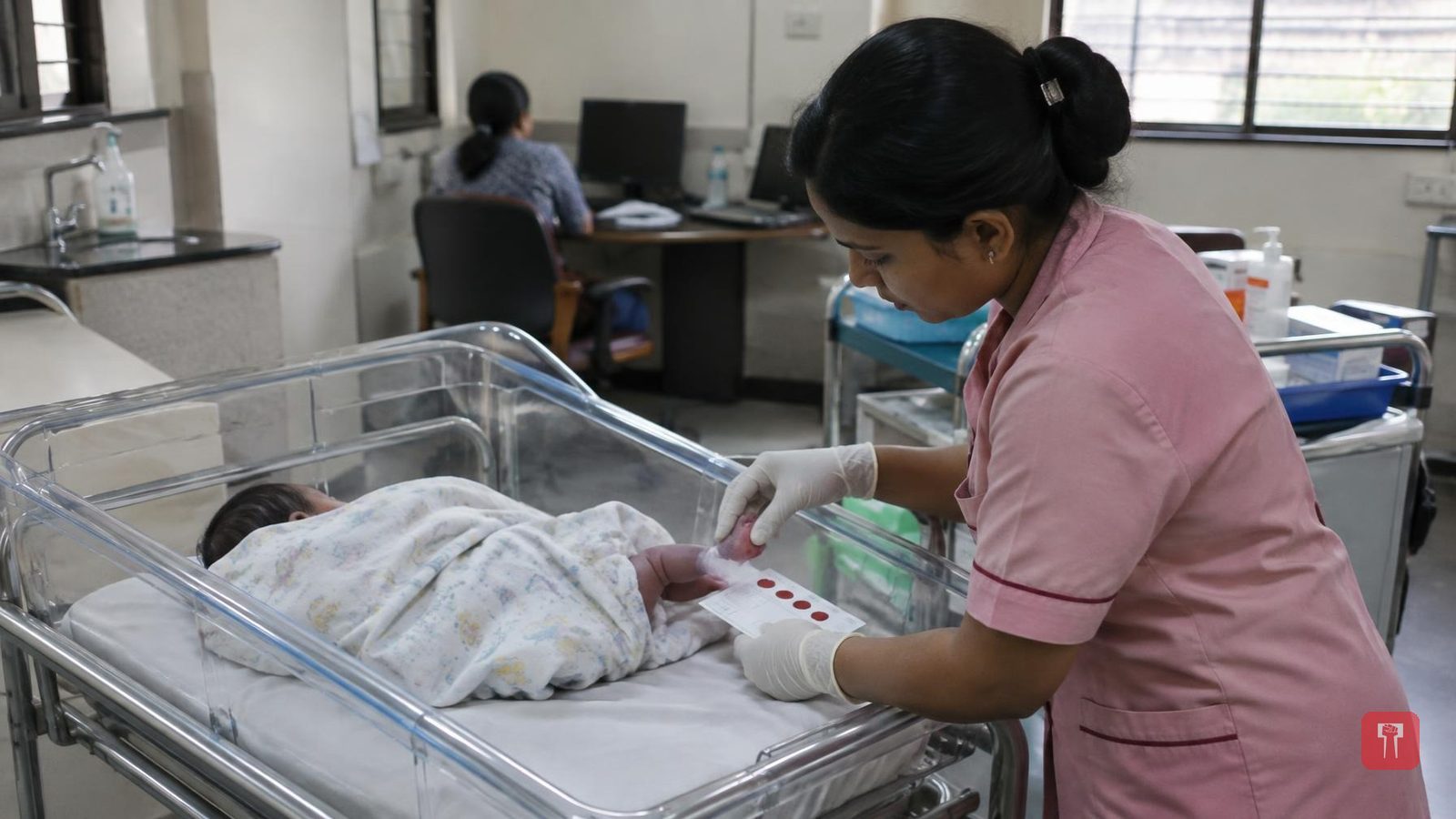
A newborn who looks completely healthy from the outside can still have a hidden metabolic disorder. In the first few hours or days after birth, some genetic metabolic conditions show no outward signs at all, even as harmful substances build up inside the body or an essential biochemical compound runs low. This is why doctors say laboratory screening is necessary alongside a baby's routine physical examination.
India's national child health programmes recognise the importance of early detection of such conditions, but dried blood spot screening for metabolic disorders is not uniformly mandatory across the country. This means the facility available depends on which state a baby is born in, which hospital, and what services that hospital has. From a public health standpoint, it is considered essential to have a fixed national newborn screening panel for serious and treatable disorders, along with access to further testing, referral to specialist doctors, and treatment.
Metabolism refers to the chemical processes in the body that convert food into energy and the substances needed for growth. These processes rely on enzymes to function correctly. In genetic metabolic disorders, a particular enzyme or transport protein may be deficient or not work properly, leaving the body unable to properly use certain components of carbohydrates, fats or proteins.
A baby may appear normal at birth because during pregnancy, the mother's placenta and metabolism regulate or remove certain substances from the baby's blood. After birth, the baby's own body must take over this task, so symptoms of some disorders can appear only after regular feeding begins, if the baby goes without food for a while, or under the extra stress of an infection. At that point abnormal substances can build up in the body, affecting the brain, liver, heart or other organs.
Newborn screening can help detect rare disorders such as phenylketonuria (PKU), galactosemia, maple syrup urine disease, biotinidase deficiency and certain fatty acid oxidation disorders. In these conditions, a baby may appear entirely healthy at birth with no immediate symptoms, but early detection and timely treatment can prevent or reduce serious health problems and, in some cases, long-term or permanent complications. Treatment differs for each metabolic disorder, ranging from avoiding certain foods to a special diet or formula, or in some cases hormone replacement.
A screening test result outside the normal range does not necessarily mean the baby has the disorder. It means further clinical examination and confirmatory tests are needed immediately, and in many cases the follow-up report turns out to be normal. Once a disorder is confirmed, treatment is planned accordingly. Genetic counselling helps families understand how the disorder may be inherited, the risk in a future pregnancy, and what genetic testing options are available. Early detection along with the right treatment and care can significantly improve a child's long-term health and development.
Newborn screening does not guarantee detection of every metabolic disorder, so a doctor's clinical examination remains necessary. Even so, parents are advised to get their newborn screened. A baby looking healthy on the outside is a good sign, but it does not give the complete picture of its health. Newborn screening, done using a few drops of blood in a short time, is an opportunity to catch some hidden disorders before they cause permanent harm. Timely testing, followed by the right follow-up and treatment, can make a major difference to a child's future.
