

National Keema Day on October 26: from Mughal royal tables to street food stalls
National Keema Day is marked every year on October 26 to celebrate the traditional minced-meat dish and its place in Indian cuisine.
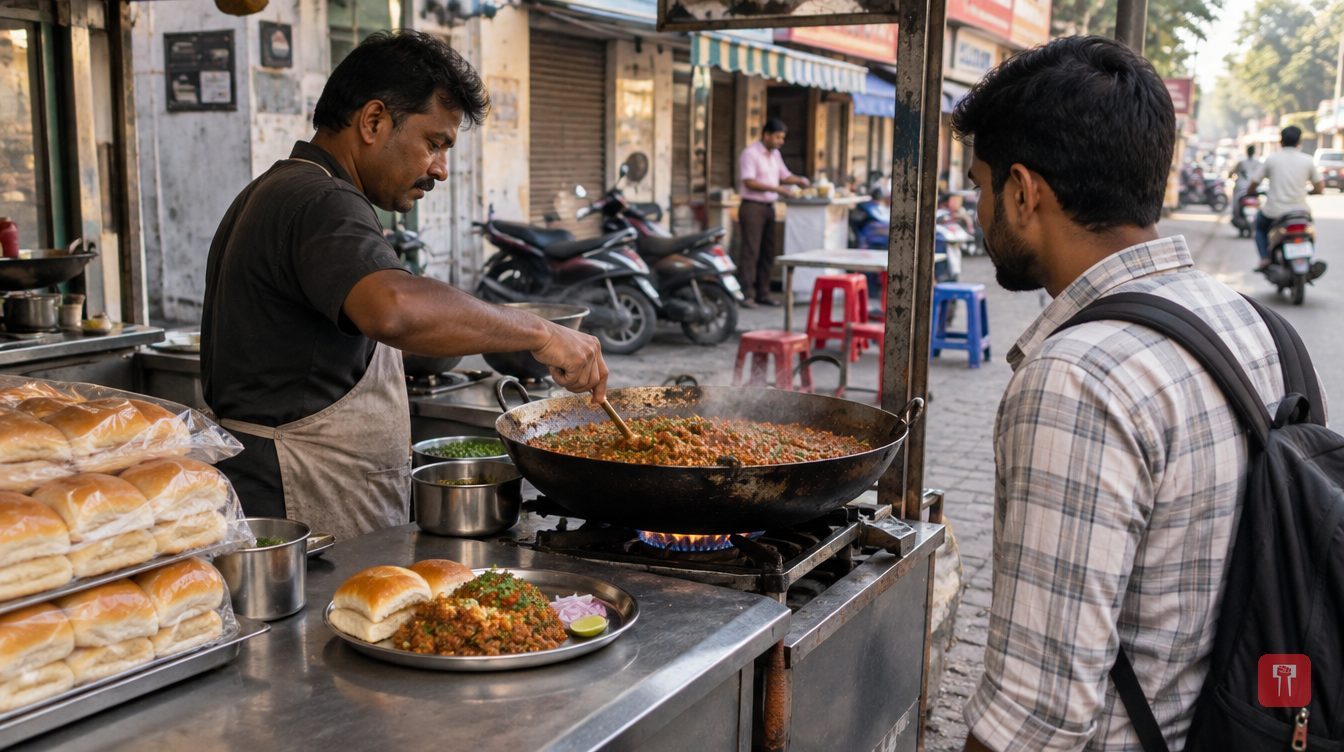 Images are not validated/verified
In India, food is seen not just as something to fill the stomach but as a celebration. Dishes made for different festivals and seasons are close to people's hearts. National Keema Day is observed every year on October 26 in memory of one such flavourful, age-old dish. The name keema makes food lovers' mouths water. Made with finely chopped or ground meat, hot Indian spices and fragrant vegetables, the dish has a distinct identity in Indian cooking.
The aim of the day is to present to the world the aroma, the superb taste and the cultural place of this traditional and historic dish. At a time when fast food is growing in popularity, it has become very important to preserve the original form of authentic, traditional recipes such as keema. On October 26, special varieties of keema are prepared around the world, especially in hotels, roadside eateries and restaurants in India. Many food lovers make new keema recipes at home on this day and enjoy them with their families.
Keema is held in high regard in Indian cuisine, especially in North Indian and Mughlai dishes. In the Mughal era, many kinds of keema were laid out on the royal dastarkhwan of kings and emperors. Keema cooks in very little time and takes on the flavour of spices easily. For this reason, the royal chefs of the Mughal court devised many new ways of making it.
Over time, the dish did not remain confined to palaces. It reached the kitchens of ordinary people and then the popular street food stalls by the roadside. Whether it is Mumbai's well-known keema pav or Lucknow's keema parathas, every city has its own distinctive way of making and serving keema. This journey shows that keema, with its excellent taste, has joined different cultures and regions together.
Keema's greatest strength is its versatility, meaning it blends easily with almost anything. In keema samosa, crisp samosas are stuffed with fragrant keema, and it is widely enjoyed with evening tea in North India. Keema paratha is made by stuffing wheat dough with a mixture of garlic, ginger, green chilli and keema and roasting it, and is popular for breakfast in Punjab and Delhi. Keema biryani is a good alternative to traditional chicken or mutton biryani, with the flavour of spices in every bite. In Maharashtra, especially Mumbai, there is nothing like spiced, sauteed keema with soft pav toasted in butter.
Vegetarian options such as soya keema and veg keema are also becoming quite popular, allowing vegetarians to enjoy the full range of these spicy flavours.
National Keema Day is not limited to non-vegetarian or tasty food alone. It is regarded as a symbol of the rich tradition and diversity of Indian cuisine. Food has always brought people together. Keema is a dish made especially for family feasts, festivals and gatherings of friends. When a family sits together and enjoys a traditional dish, it creates a feeling of belonging and unity.
Today, food bloggers and chefs share their own recipes on social media on this day with the hashtag #NationalKeemaDay. Thanks to this digital age, this traditional Indian dish is gaining recognition internationally as well. Foreign tourists, too, are eager to come to India and taste keema made with authentic Indian spices.
To make National Keema Day special this time, a few easy ideas can be tried. One can buy fresh mutton, chicken or soya keema from the market and try making mutton keema matar, keema ghotala or dum keema at home. One can visit an old or well-known Irani cafe or restaurant in one's city and try the authentic keema pav served there. And one can post a favourite keema recipe or photos and videos on social media.
On the whole, October 26 is a unique celebration of Indian flavour, culture and joy. On this occasion, enjoy your favourite keema dish and be part of this rich tradition.

Comments
No comments yet. Be the first.