

Nagpur motorists want Indore-style action on begging and child labour at traffic junctions
 Images are not validated/verified
Complaints of begging, forced collection and child labour at Nagpur's major junctions are rising, and residents are asking for a drive modelled on Indore's.
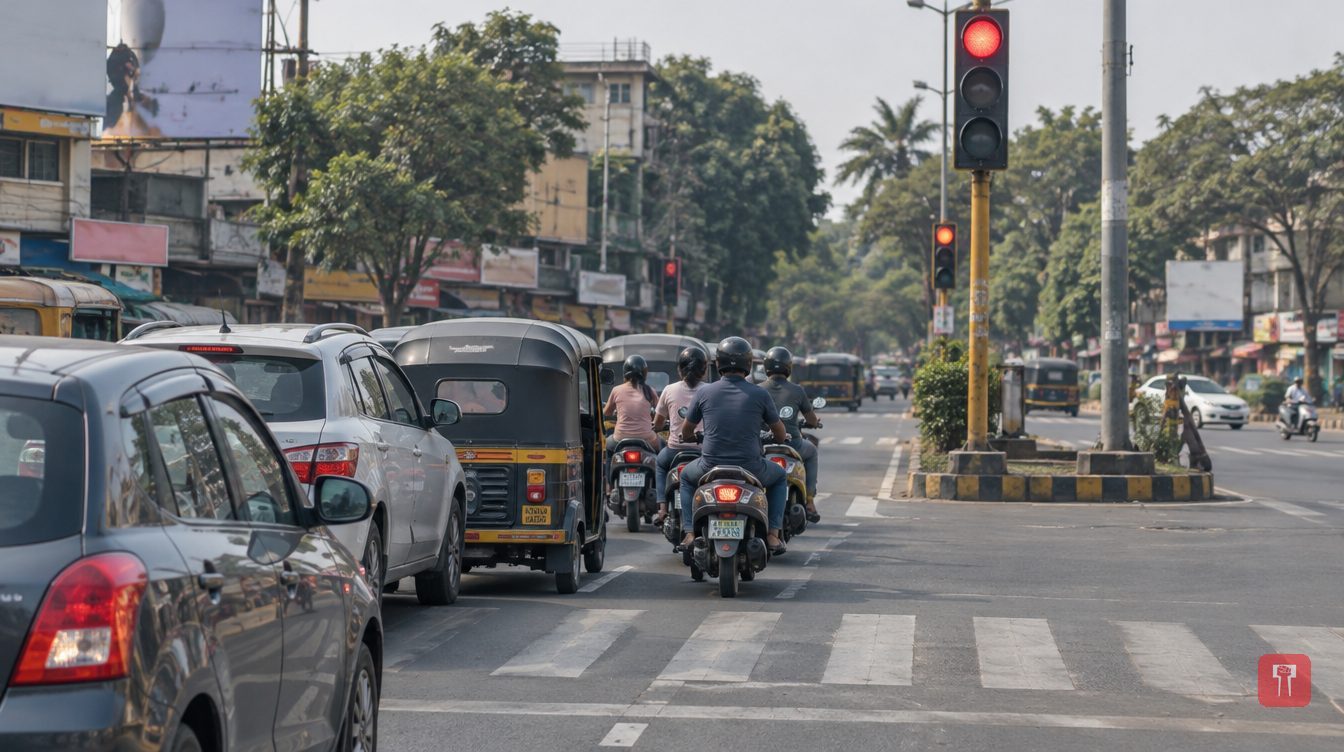
Complaints are coming in about a growing problem of begging at Nagpur's major junctions and traffic signals, adding to the difficulties of motorists. Moved by sympathy, people give money on seeing children and needy persons, but in many places the matter reaches extortion and misbehaviour.
According to the complaints, some children carrying a water bottle and a cloth begin cleaning vehicle windscreens without being asked, and then demand money. If a motorist refuses to pay, the motorist is allegedly abused. It is also being said that they slap the vehicle or try to damage it.
This raises the question of who is making these children do this work and into whose hands their earnings go.
The use of children at junctions in this way also raises suspicion of child labour and organised begging. At some places, children are seen with people who seek money by displaying a physical disability. It is also alleged that some children are brought from other cities and put to this work.
Besides this, some people try to extract money from motorists by invoking fear of transgender persons. All this is increasing unease and a sense of insecurity among the public. People are asking the administration when effective action will be taken against such activity in public places.
Indore's initiative is being seen as a model in this matter. The district administration there issued a prohibitory order against begging and ran a campaign of rescue, counselling and rehabilitation. All of this was done under the Centre's SMILE scheme and the Bhikshavritti Mukt Bharat (Beggar-Free India) pilot project.
In the campaign, beggars were rescued from roads, junctions and places of worship and taken to shelter homes and rehabilitation centres. The emphasis was on linking the needy with skills training, while it was also said that elderly and disabled beggars would be sent to care centres.
Orders were issued in Indore banning begging in public places, giving alms, giving goods as alms and buying goods from beggars. The orders also provide for action against those who violate them. To encourage people to give the administration accurate information on begging, an incentive of Rs 1,000 after verification has been announced.
The administration believes that organised gangs and networks linked to child labour and human trafficking may at times be active behind begging. Action against beggars alone is therefore not enough. Protecting children from such networks and rehabilitating the needy are also necessary.
In Nagpur too, an effective campaign, regular monitoring and arrangements for rehabilitation are felt to be needed to deal with such a problem. The question now is when a similar initiative will begin in Nagpur, the Chief Minister's city, on the lines of Indore.
Reach readers on the ward they actually live in.
Advertise with Prime Time 24Reach readers on the ward they actually live in.
Advertise with Prime Time 24Reach readers on the ward they actually live in.
Advertise with Prime Time 24
Comments
No comments yet. Be the first.