

Mumbai redevelopment of old buildings gathers pace, could yield about 59,000 homes by 2031
Ongoing redevelopment projects could deliver around 59,000 new homes in Mumbai by 2031 as vacant land runs short, according to Knight Frank India's estimate.
 Images are not validated/verified
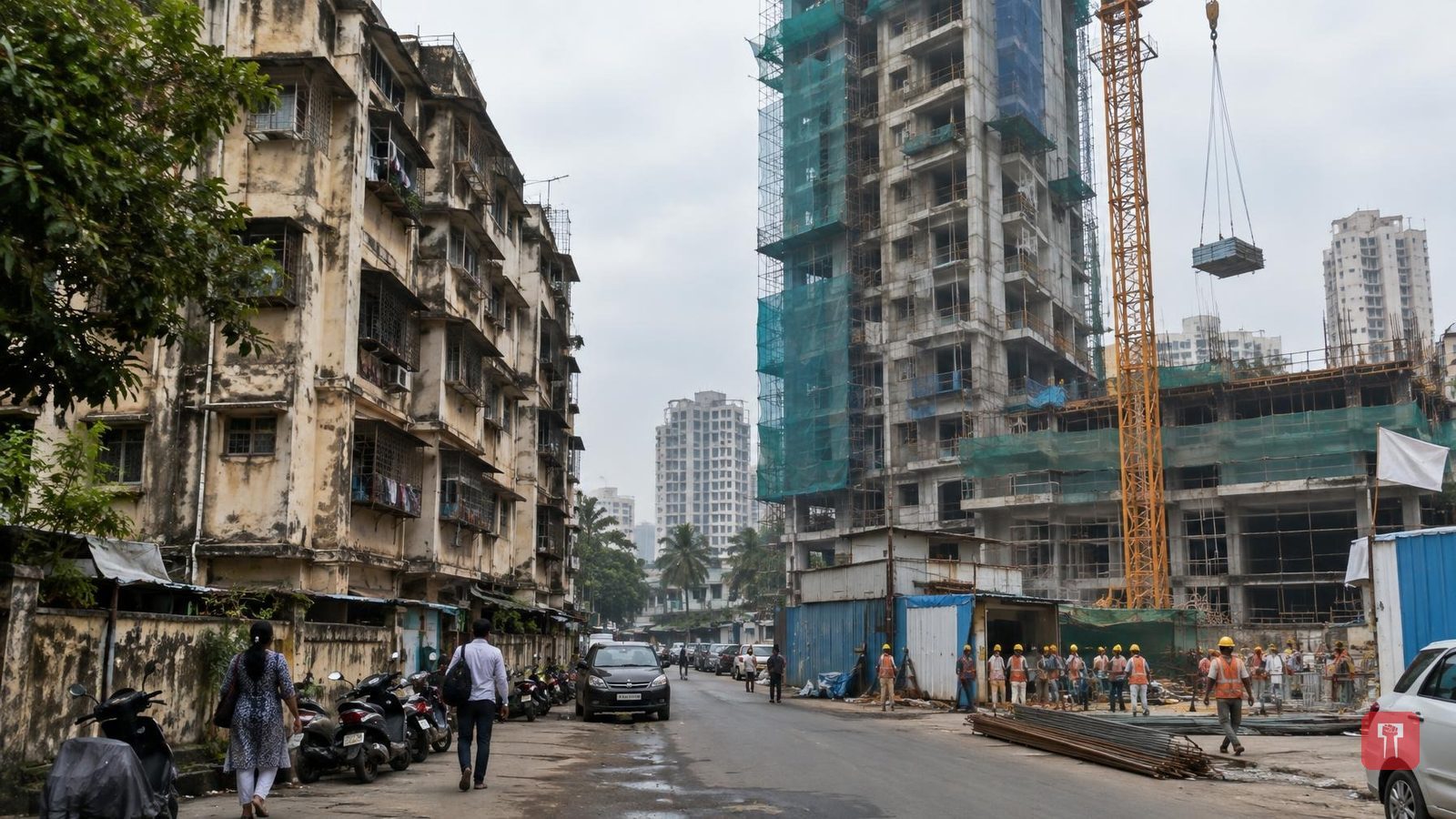
Vacant land for new buildings is running short in Mumbai, and the pace of redevelopment of old buildings is picking up. Developers are no longer stopping at repairing buildings; their focus is on transforming entire neighbourhoods. According to Knight Frank India's estimate, redevelopment projects now under way could make about 59,000 new homes available in Mumbai by 2031. The shift is expected to bring big changes to the city's real estate sector.
Redevelopment projects in Mumbai are rising steadily, and housing societies are showing interest. According to the Knight Frank India report, redevelopment of old buildings in Mumbai grew 16 per cent last year. In the first quarter of 2026, cooperative housing societies signed 70 redevelopment agreements covering about 52 acres.
Developers are no longer confined to rebuilding a single building. Through cluster redevelopment, they are pushing to develop whole areas together. This offers a chance to improve basic infrastructure, open spaces and amenities for residents.
The problem of old buildings is serious. More than half of Mumbai's residential buildings are estimated to be over 30 years old. They were built under older construction norms, so questions of structural strength, safety and modern amenities have arisen in many places. Over time buildings deteriorate, space runs short, ventilation is poor and facilities become outdated, causing residents hardship.
Today's home buyers want larger homes, modern security arrangements, good ventilation and eco-friendly features. Redevelopment replaces old buildings with modern homes and offers a chance to meet these needs.
Redevelopment activity is rising in suburbs such as Andheri, Bandra, Santacruz, Khar, Vile Parle, Borivali and Goregaon. Mulund, Chembur and Kurla are also gaining importance because of metro connectivity and commercial development. In South Mumbai, along with parts of Dadar, Mahim, Matunga, Parel, Byculla and Worli, redevelopment of old residential buildings is also gathering speed. Cluster redevelopment raises the prospect of planned development of entire areas rather than individual buildings.
Developers face no small challenges. Obtaining residents' consent, regulatory approvals, financial viability, transparent negotiations and completing work on schedule are all crucial. Ravi Agarwal, chairman and managing director of Lloyds Realty Developers Limited, said that for this reason a developer's financial strength, project management experience and record of delivery have gained particular importance.
Knight Frank's estimate says ongoing projects could yield about 59,000 new homes by 2031. The coming phase of the sector is estimated to be worth about Rs 1.5 trillion. Government policies, investment in infrastructure, reforms to development control rules and the encouragement being given to redevelopment itself are driving the sector. However, when projects are actually completed will depend on approvals, financial viability and the pace of execution.
Redevelopment in Mumbai is no longer limited to putting up new buildings in place of old ones. It offers a chance to transform the city through modern homes, better amenities and planned urban development.
