

Milder winter and early heat from February feared as El Nino effect grows, say weather experts
Weather scientists say winter may be less cold than usual and summer may arrive early, with rainfall below normal in the monsoon months.
 Images are not validated/verified
New Delhi: This winter is likely to be less cold than in a normal year, and weather scientists say summer heat could also turn intense earlier than expected. According to them, the effect of El Nino is growing, and because of this the country's temperatures could rise sharply from February. People may thus have to endure a mild winter followed by early, intense heat.
According to a report released by Climate Trends, rainfall during the monsoon season, from June to September, will be below normal. Dr K J Ramesh, former Director General of the India Meteorological Department, said the effect of El Nino will last till February 2027. Summer-like conditions could therefore set in from February itself.
Many old weather records have been broken in 2026. August 2026 was the hottest August in India's history, going by data from 1901. September 2026 was the fifth-hottest September.
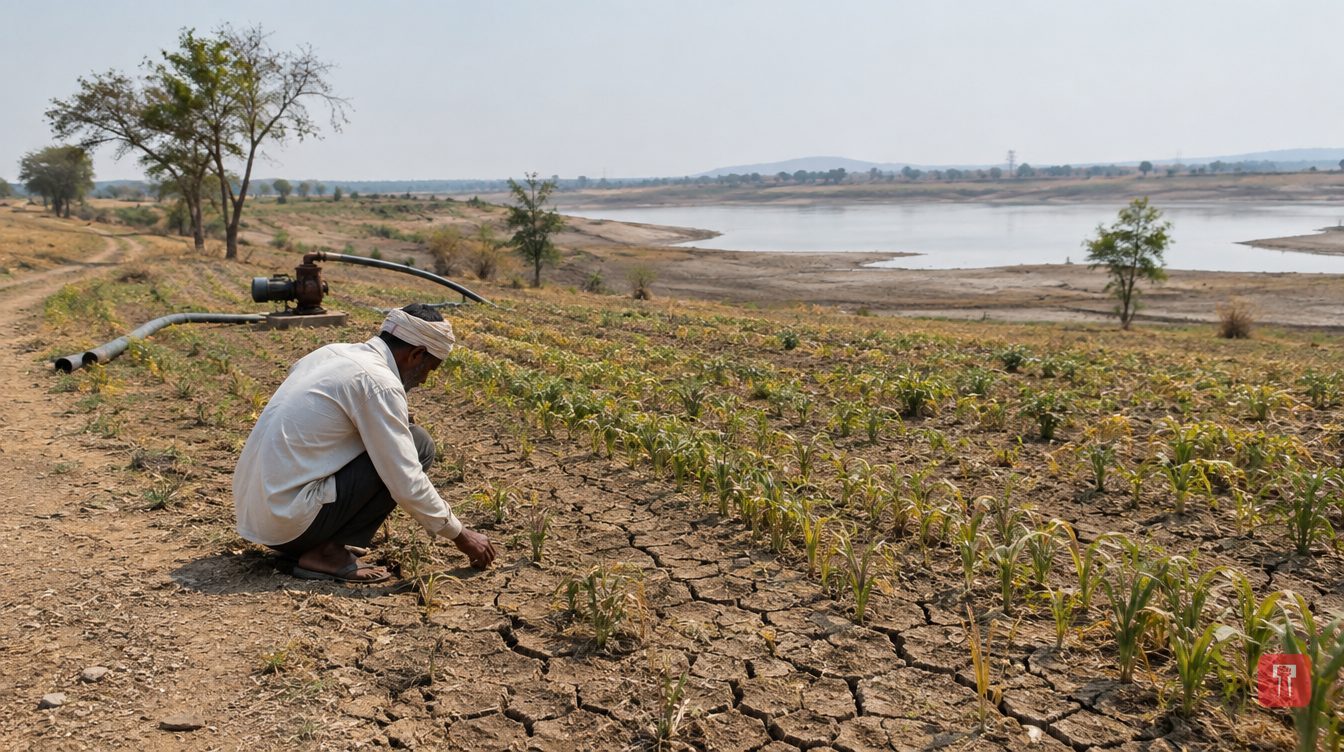
Because of the shortfall in rain and the early onset of heat, the area under paddy has fallen by 1.556 million hectares. Farming and weather experts have advised farmers to give preference to short-duration crops such as pulses and oilseeds in the rabi season. An appeal has also been made to the authorities concerned to strengthen the early warning system to reduce the impact of heat.
The water situation is also worrying. According to Central Water Commission data, water stock in the country's 178 major reservoirs has fallen to only 87.08 per cent of their normal capacity. The situation is more serious in the southern peninsular region, where reservoirs have only 47.22 per cent of their capacity left.
Early heat and low winter rain will have a direct and adverse effect on the country's water sources and rabi crops. Drought-like conditions have already been declared in states such as Telangana, Karnataka, Andhra Pradesh, Rajasthan and Maharashtra. In Maharashtra alone, 75 per cent of the state is under the shadow of drought.
On the impact on Maharashtra, the forecast is that winter will remain warm. Both day and night temperatures are likely to stay above normal. In February 2027, temperatures could be 1.5 to 3.5 degrees Celsius above normal.
On the risk to farmers, the report says the area under paddy, sugarcane and cotton has already fallen. Rabi and summer crops will be directly affected, and water shortages will persist.
On the risk to the general public, a study by the Climate Impact Lab says Super El Nino could affect 4.51 lakh people across the world. Earlier, several people in India have also died of heatstroke.
