

Martin Luther King Jr, youngest Nobel Peace Prize winner at 35, led US civil rights movement
Dr Martin Luther King Jr, born in Atlanta in 1929, won the 1964 Nobel Peace Prize aged 35 and was assassinated in Memphis in 1968.
 Images are not validated/verified
Dr Martin Luther King Jr, leader of the American civil rights movement, did not only give a new direction to the lives of Black people in the United States. He also taught the world to dream of a society free of discrimination and built on equality. Under his non-violent leadership, African Americans made more real progress towards racial equality in a few decades than had been made in the previous 350 years. He is counted among the foremost advocates of non-violence in modern America and among the most influential non-violent leaders in world history.
Dr King was born on January 15, 1929, in Atlanta, Georgia. He was named Michael Luther King Jr at birth, and his father later changed the name to Martin. His family had a long tradition of service in the Baptist church. His grandfather was pastor of the well-known Ebenezer Baptist Church in Atlanta from 1914 to 1931. After the grandfather, King's father took over the responsibility, and from 1960 until his death Martin Luther King Jr himself was co-pastor there.
He had his early schooling in Georgia's segregated schools, under the shadow of racial discrimination. A bright child, Martin finished high school at just 15. In 1948 he took a B.A. degree from Morehouse College, the well-known Black college in Atlanta. In 1951 he received a B.D. degree from Crozer Theological Seminary in Pennsylvania, where most of the students were white, yet he was elected class president. In 1955 he earned a Ph.D. from Boston University. In Boston he met Coretta Scott, a highly sensible and artistic woman. The two married and had four children.
In 1954, Dr King became pastor of the Dexter Avenue Baptist Church in Montgomery, Alabama. In December 1955 he led the Montgomery bus boycott, the first major non-violent movement in modern American history, which lasted 382 days. During this period he was arrested, his home was bombed and he also had to endure personal humiliation, but he did not move away from the path of non-violence. Finally, on December 21, 1956, the US Supreme Court declared the segregation laws unconstitutional. In 1957 he founded the Southern Christian Leadership Conference (SCLC). Between 1957 and 1968 he travelled more than six million miles and gave more than 2,500 speeches.
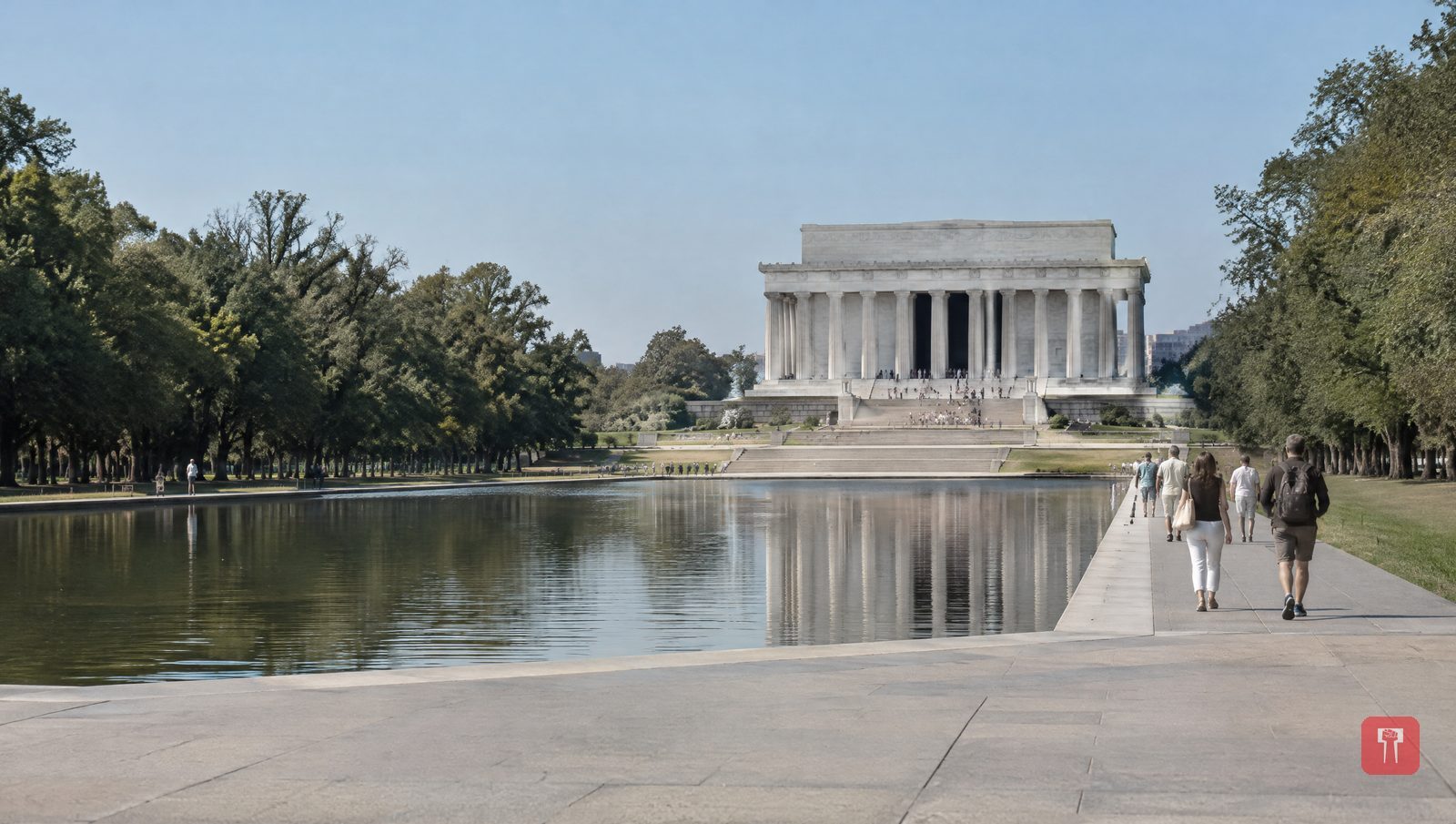
In 1963 he reached Washington, D.C., where he led a vast peaceful march of 250,000 people and delivered his world-famous 'I Have a Dream' speech from the steps of the Lincoln Memorial. That same year, Time magazine named him 'Man of the Year'.
In 1964, at the age of 35, he was awarded the Nobel Peace Prize, becoming the youngest person in the world to receive it. When the prize was announced, he donated the entire amount of $54,123 to the civil rights movement. On April 4, 1968, in Memphis, Tennessee, Dr King was shot dead as he stood on the balcony of a motel, while leading a march in support of the city's sanitation workers. Even so, his torch of equality and non-violence continues to guide human rights movements around the world.
