

IMD study: Maharashtra's interior turning hotter and drier while heavy-rain zone widens in Konkan
A new India Meteorological Department study finds two opposite long-term shifts under way in Maharashtra, raising challenges for farming, water management and disaster preparedness.
 Images are not validated/verified
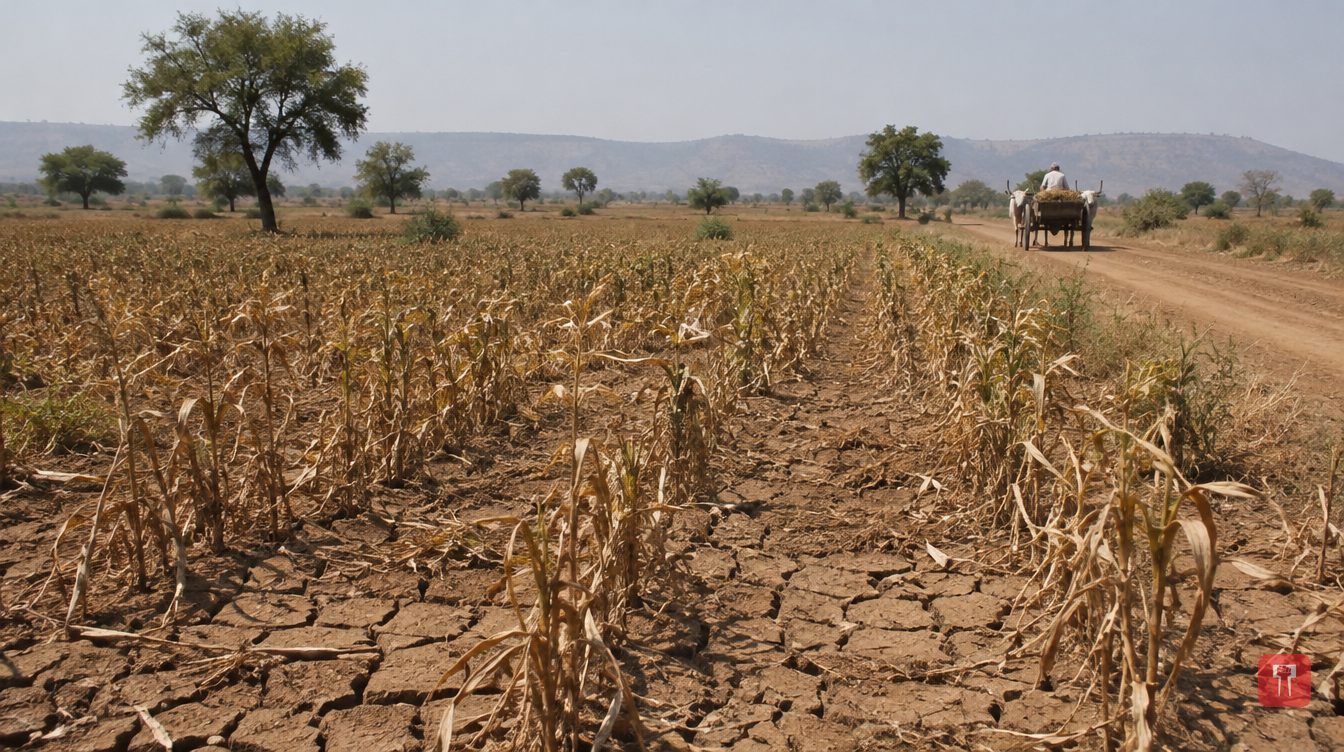
Mumbai: A new study by the India Meteorological Department (IMD) has found that two opposite long-term changes are under way together in Maharashtra's weather. Parts of the state's interior are becoming hotter and drier. On the other hand, the heavy-rainfall climate zone along the Konkan coast is expanding. According to the study, this shifting pattern of rain and temperature is adding to the challenges for farming, water management and preparedness for weather-related disasters.
The warning comes at a time when this year's monsoon was already difficult for Maharashtra. Drought was declared in 305 of the state's 358 tehsils as of September 26. Rainfall for the season was 19 per cent below average. It was an El Nino year and rain across the country fell by 12.6 per cent. El Nino generally has a bad effect on the south-west monsoon.
The study is based on weather data from the past seven decades. It compared two consecutive 30-year periods, 1961 to 1990 and 1991 to 2020, to see what changed in India's climate zones.
While the state's interior is turning hotter and drier, the picture along the western coast is different. According to the study, the tropical monsoon zone is expanding in Konkan, Goa, coastal Karnataka and Kerala. These areas receive very heavy rain in the season. On a larger scale, the researchers also found that rainfall is declining in the plains of north India while it is rising in south India.
The pattern of temperature and rainfall can help decide which crop suits an area, when sowing should be done and how much water irrigation will need. Where temperatures are higher and rain is lower, conserving available water and being ready to deal with drought will become even more necessary.
For Maharashtra, the study says different policies will have to be framed for different parts of the state. Marathwada and western Vidarbha will have to build greater resilience to heat and drought and improve crop planning. Along with seasonal rain deficits, preparation will also be needed for other rain-related risks such as extremely heavy rainfall. The study also stressed that decisions on farming and water security should not rest only on averages for the whole state or a large region, because the weather can differ even between neighbouring areas.
In figures, the state received a total of 804.4 mm of rain between June 1 and September 30, 2026, against an average of 994.5 mm, a shortfall of 19 per cent. Marathwada had the largest shortfall, at 39 per cent. The region includes Chhatrapati Sambhajinagar, Jalna, Parbhani, Beed, Hingoli, Nanded and Latur. In Konkan, the IMD has issued a yellow alert for Mumbai, Thane, Palghar and Raigad for October 22 to 26, where thunderstorms with rain are possible in the afternoon amid hot and humid conditions.

Comments
No comments yet. Be the first.