

Ganja, charas and opium: what sets them apart and how drugs hijack dopamine
Cannabis, opioids and other drugs affect the brain differently, and India's NDPS Act, 1985 prescribes strict penalties for their production, sale, trafficking and use.
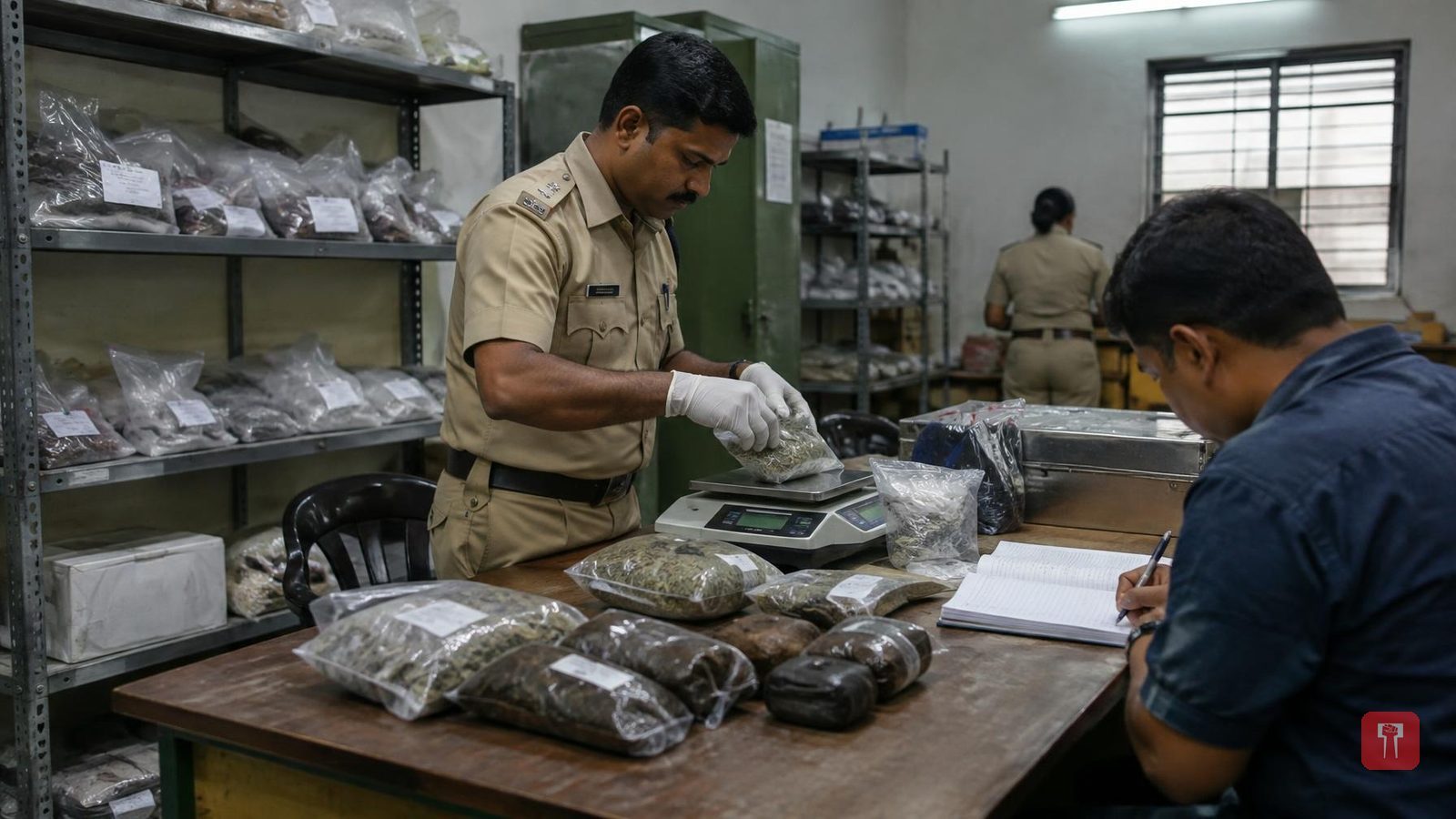
Ganja and charas both come from the cannabis plant but are made differently. Ganja is prepared from the flowering part of the cannabis plant, while charas is a resin-like substance obtained from the same plant. Opium is entirely different, an opioid derived from the opium poppy plant. Heroin, cocaine, methamphetamine, MDMA and LSD are also considered narcotics from different chemical groups. The production, sale, trafficking and consumption of all these substances carry strict penalties under India's NDPS Act, 1985. However, the law also provides for permissions for certain medical and scientific uses, and opium can be cultivated within a limited scope under license.
The NDPS Act aims to curb the misuse, illegal transport and trafficking of narcotic substances, while also promoting treatment and rehabilitation. While the central law applies to ganja, charas and other cannabis substances, individual states can have their own separate rules regarding drinks such as bhang. It would therefore not be correct to say that all cannabis substances are banned in exactly the same way across India.
THC present in ganja affects the brain's cannabinoid receptors. This activates the reward system and can increase dopamine signalling, giving some people a feeling of pleasure, euphoria or a "high". But dopamine alone is not involved. THC affects several parts of the brain including the hippocampus, frontal regions and cerebellum, which can impair memory, attention, decision-making, reaction time and physical coordination.
Brain development typically continues until around the age of 25. This is why repeated cannabis use during adolescence is considered to carry a higher risk of affecting attention, learning ability and memory. According to a national survey in India, around 20 lakh children aged 10 to 17 were found to be using cannabis and 40 lakh children were using opioids. This figure is based on the available national survey, using 2018 data.
The actual scale of illegal trafficking is difficult to measure, so seizure data is treated as an important indicator of trafficking. According to 2024 figures from the Narcotics Control Bureau, 5,33,903 kg of ganja, 6,483 kg of hashish and 2,595.63 kg of heroin were seized across the country. In Maharashtra that same year, 55,351 kg of ganja and 2,177.49 kg of mephedrone were seized.
