

UGC: MPT, MOT degrees to carry specialisation from 2026-27; optometry course raised to 5 years
The University Grants Commission has amended its degree notification so MPT and MOT will be awarded with a specialisation, and the minimum duration of Bachelor of Optometry rises from four to five years.
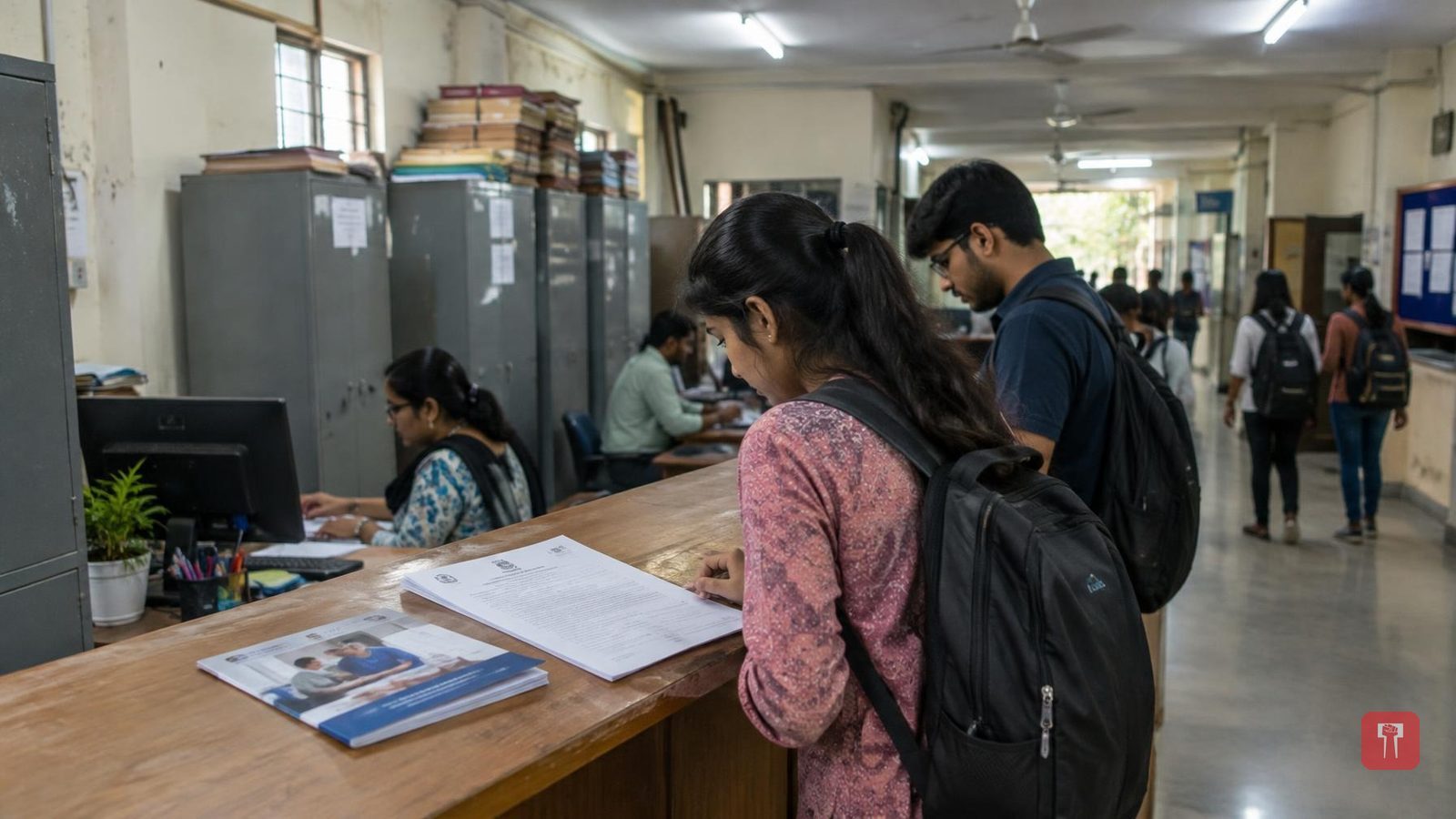
The University Grants Commission (UGC) has made it clear that the Master of Physiotherapy (MPT) and Master of Occupational Therapy (MOT) degrees will no longer be awarded under a general name alone. The relevant specialisation will now be attached to the degree. The rule will apply from the 2026-27 academic session.
The change follows a recommendation by the National Commission for Allied and Healthcare Professions (NCAHP). On the basis of that recommendation, the UGC has amended its notification on the degrees.
The specialisation areas set for MOT include musculoskeletal, paediatrics and neonatology, neurology, mental health, cardiac and pulmonary, rehabilitation, geriatrics, and hand and oncology.
Separate specialisations have also been fixed for MPT. These include sports science, paediatrics and neonatology, obstetrics and gynaecology, oncology and community rehabilitation.
The change is not limited to these two degrees. The UGC has also altered the names and duration of several other degrees in the allied and healthcare fields. The biggest change is in the Bachelor of Optometry, whose minimum duration has been raised from four years to five.
In addition, new specialisations and degrees have been added in areas such as medical laboratory science, emergency medical technology, anaesthesia and operation theatre technology, medical radiology and imaging, radiation therapy, nuclear medicine technology and medical physics.
Students who were admitted before 2026-27 get relief. They can be awarded degrees under the earlier notification.
Courses based on specialisation will give students the chance to gain in-depth practical and theoretical knowledge in their chosen field. Demand in the healthcare sector is rising steadily, and the change will open new avenues of employment for graduates, not only in India but also abroad. Hospitals and research institutions will also be able to get trained professionals with the relevant specialisation.
The UGC says the step has been taken to improve the quality of allied and healthcare education and to bring uniform standards across the country. The commission has directed all higher education institutions and universities to make the necessary changes to their curricula in line with the new guidelines and to implement them strictly from the 2026-27 academic session.
