

Fridges at supermarkets across Europe hit by suspected cyberattack, temperatures rise to 50 C
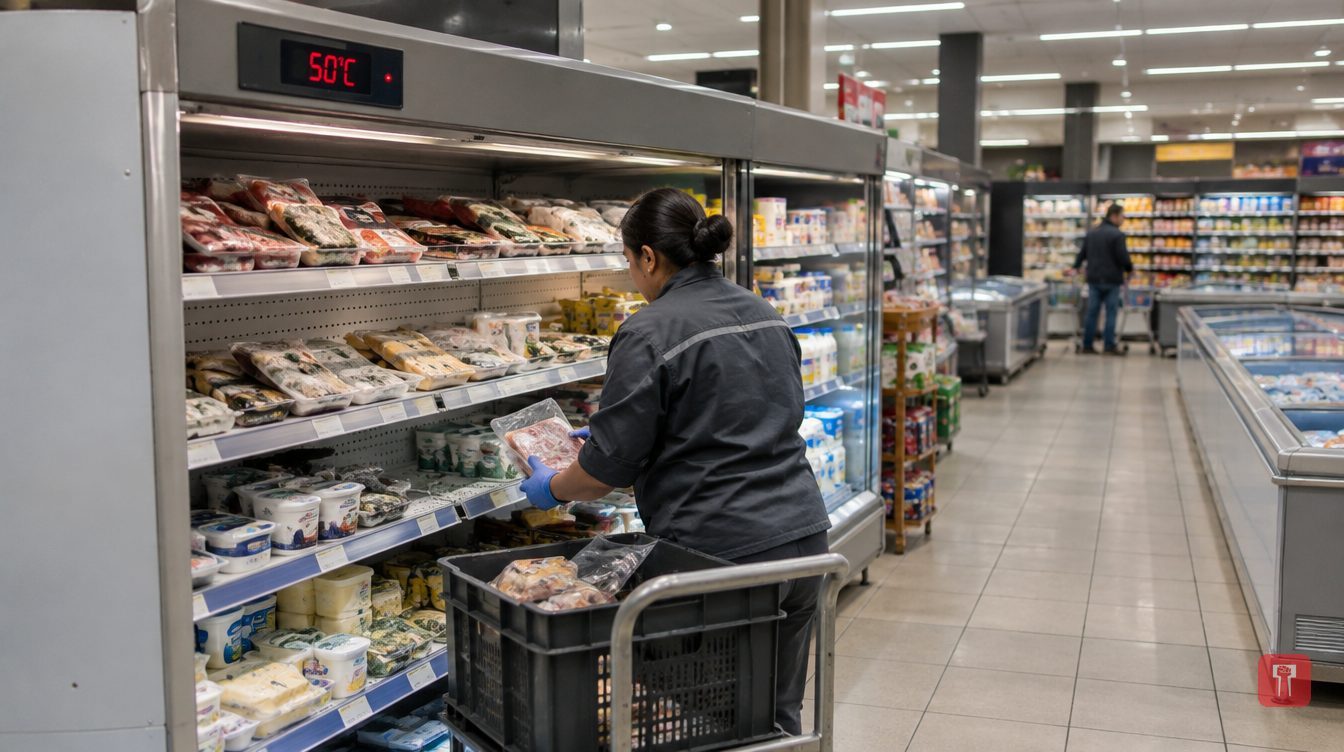 Images are not validated/verified
Cooling systems failed in stores in Belgium, Sweden, Luxembourg, Estonia and Ireland, spoiling meat, dairy and frozen food, in what is suspected to be a hacking attack.
A new wave of cyberattacks has emerged at supermarkets in Europe. This time the targets are not bank accounts or mobile phones but the fridges and freezers in stores. Hackers are suspected of having broken into the control systems that run them.
As a result, cooling systems malfunctioned in many stores in Belgium, Sweden, Luxembourg, Estonia and Ireland. In some places, fridge temperatures rose to as much as 50 degrees Celsius. Meat, dairy products and frozen food spoiled. The incident has raised serious questions about the digital security of today's supermarkets.
In Belgium, many stores of the Delhaize, Carrefour and Spar chains were hit. The cooling system failed in a few dozen Delhaize stores. About 15 Carrefour stores are reported to have been affected.
In Sweden, fridge temperatures also rose in stores of the ICA and Coop chains. Six Coop stores had problems, according to the information given. In some Swedish stores, fridge and freezer temperatures went up to 50 degrees Celsius, after which the spoiled food had to be removed from the shelves.
In Ireland, a special type of cooling system in 13 stores of the SuperValu chain was affected by a cyber incident. In Estonia too, the temperature of a supermarket's fridge was raised to 50 degrees.
This is not the first time. In October, a similar cyberattack hit hundreds of supermarkets in France. Hackers had then taken control of internet-connected cooling systems and raised fridge temperatures, and a large quantity of food was spoiled. Similar incidents in other European countries have now heightened concern.
Supermarkets use internet-connected systems to manage fridge and freezer temperatures. By exploiting weaknesses in the security of these systems, hackers can change temperatures remotely. In some places, the fridge defrost system was switched on and cooling was shut off.
It is not yet clearly known who is behind the attacks. No hacker group has claimed responsibility. The incident has once again shown that even everyday internet-connected systems can become targets of cyberattacks.
Reach readers on the ward they actually live in.
Advertise with Prime Time 24Reach readers on the ward they actually live in.
Advertise with Prime Time 24Reach readers on the ward they actually live in.
Advertise with Prime Time 24
Comments
No comments yet. Be the first.