

Fatty liver often goes unnoticed: early symptoms, causes and tests explained
Many people with fatty liver feel well and learn of it only through a routine blood test or scan, but it can progress to cirrhosis if ignored.
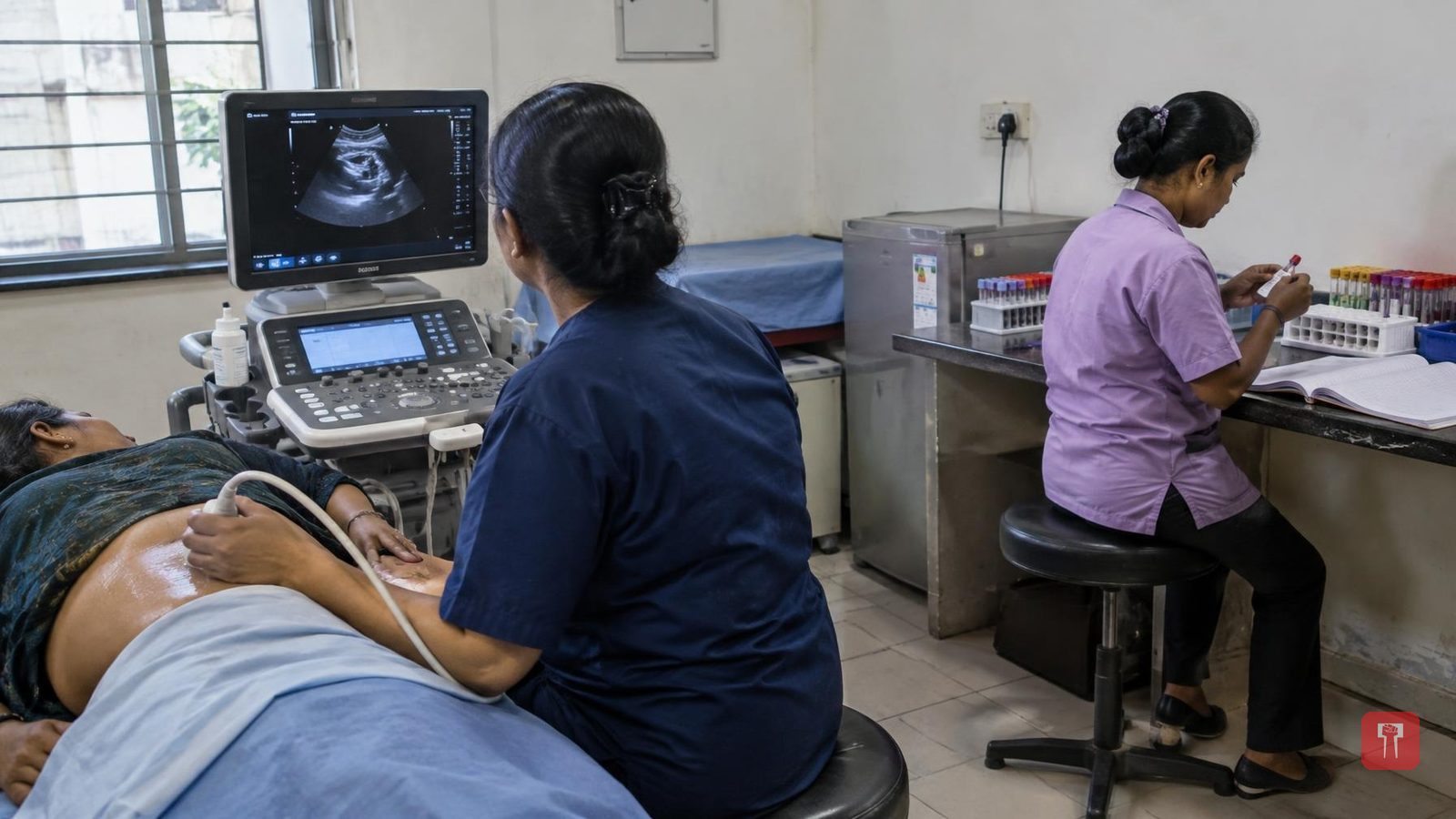
Many people do not know they have fatty liver. They feel well and carry on with daily work while fat slowly builds up in the liver. It usually comes to light only after a routine blood test or scan.
Fatty liver means excess fat stored in the liver. A little fat in the liver is normal, but when it exceeds a few percent of the liver's total weight, it becomes a cause for concern. As fatty liver advances, it is seen along with insulin resistance, diabetes, high blood pressure and abnormal levels of blood fats and triglycerides. This is called metabolic syndrome.
People whose liver has only fat and no inflammation do not face these problems. A third group has metabolic dysfunction-associated steatohepatitis (MASH). In it, inflammation damages liver cells, sometimes scarring them (fibrosis), and cirrhosis or liver failure can eventually follow.
Alcohol is often blamed for fatty liver, but that is not always the case. It is more closely linked to metabolic health, a problem with a medicine, or, at times, rapid weight loss.
There are no symptoms at this stage, which is why diagnosis is difficult. Most often, a liver function test (LFT) done for another reason shows raised liver enzymes, or an ultrasound shows fatty liver.
Mild symptoms include persistent tiredness or low energy, pain or a dull ache under the right ribs, a general feeling of unease, and unexplained weight loss or loss of appetite. More serious symptoms point to more dangerous liver damage and need immediate treatment. These are jaundice (yellowing of the skin or eyes), unexplained itching, swelling of the abdomen or legs, easy bleeding or bruising, confusion, black stools or vomiting blood.
Normal liver blood tests do not mean there is no fatty liver. Nobody should self-diagnose from tiredness or other symptoms alone. Whether one has fatty liver is known only through tests such as the LFT.
Causes include obesity, including fat around the abdomen, type 2 diabetes or insulin resistance, high blood pressure, high cholesterol or triglycerides, low physical activity, processed food, sugar and refined carbohydrates, polycystic ovary syndrome (PCOS), obstructive sleep apnoea, and fatty liver or a metabolic disease in the person or the family.
People who are not overweight can also develop fatty liver. Studies show that South Asian groups develop fatty liver at a lower BMI than other groups. This means no weight is entirely safe where fatty liver is concerned.
One misconception is that fatty liver does not cause liver failure and so need not be worried about. Tiredness or pain may be mild or absent, but people should not be misled by this, as fibrosis may be present. Some herbal supplements and "detox" drinks are sold to "cleanse" the liver, but research has not yet proved them.
Treatment focuses mainly on weight loss. It should be done under the supervision of a doctor, a registered dietitian or other registered health professional. To reduce liver fat, at least 5 per cent of body weight must be lost. The more weight is lost, the more liver inflammation and fibrosis fall. Weight should not be lost rapidly.
Doctors advise 150 minutes of moderate or 75 minutes of vigorous activity a week, and muscle-strengthening exercises on two days a week. Problems such as blood sugar, high blood pressure, triglycerides and cholesterol generally need treatment. If liver tests show any abnormality, alcohol should be avoided during treatment. People should not take medicines on their own and should consult a doctor before starting a new one.
Treatment is not the same for everyone. It is decided according to risk factors, and some patients with advanced fibrosis may be offered specific medical treatment.
People with diabetes, excess weight, high blood pressure and high cholesterol, and those whose ALT (SGPT) blood test shows abnormal liver enzymes, should see a doctor even without symptoms. Before the visit, they should write down what they ate and drank, which medicines and vitamins they take, how much weight they have recently gained or lost, and whether there is liver disease in the family. In emergencies such as jaundice, sudden abdominal pain and swelling, vomiting blood, black sticky stools, or confusion caused by cirrhosis, medical help should be sought at once.
Diagnosis can happen without any symptoms at first. Doctors can diagnose through medical history, physical examination, blood tests and imaging. Blood tests include the LFT (ALT/SGPT, AST), blood count, HbA1c, blood sugar and lipids, and other causes of liver disease are ruled out. An abdominal ultrasound is the first test. To assess the risk of fibrosis, an FIB-4 score, FibroScan, MRI or biopsy is done if needed.
Fatty liver can be treated in the early stage, when there is little or no fibrosis. With mild changes it can be cured, and at times reversed. People should therefore recognise the risk factors and early symptoms and see a doctor.
