

Centre amends motor vehicle rules to open certification route for E85 and E100 flex-fuel vehicles
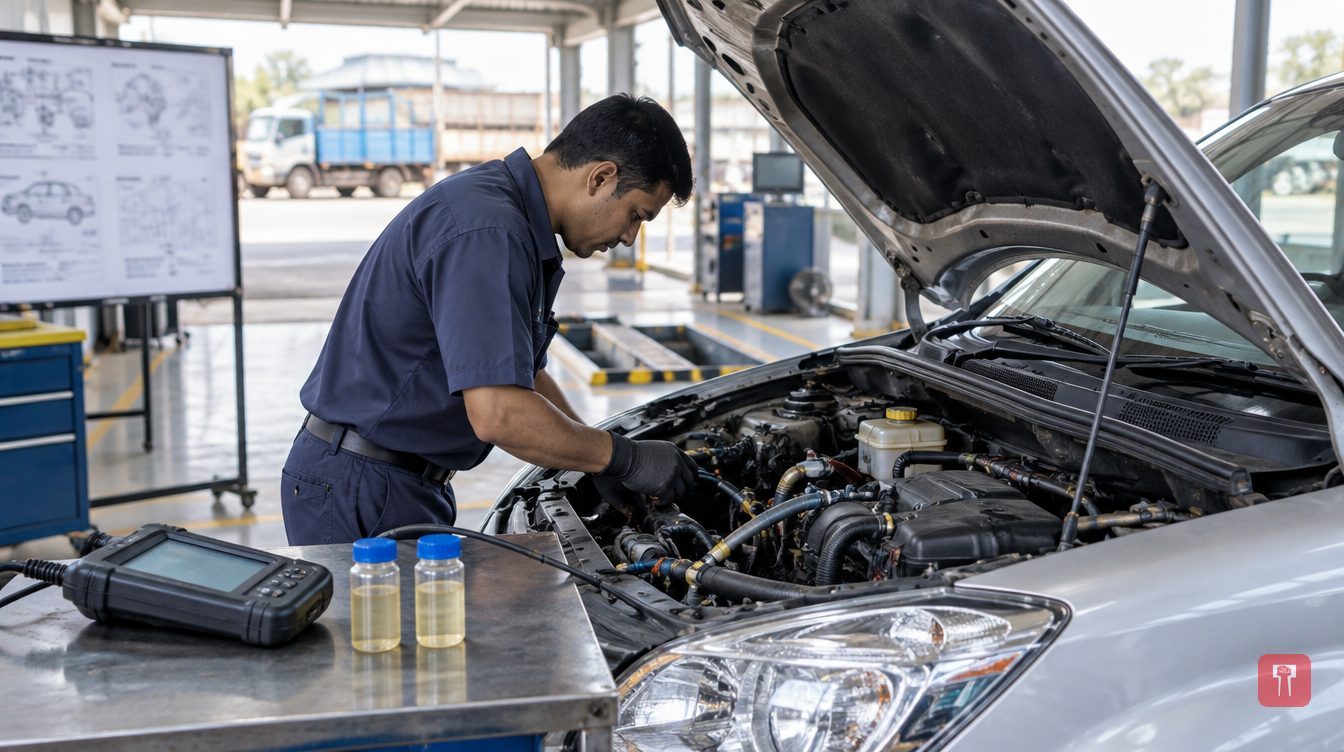 Images are not validated/verified
The road transport ministry's change to the Central Motor Vehicles Rules, 1989 could speed up launches, though sales will not begin immediately.
The Union Ministry of Road Transport and Highways has amended the Central Motor Vehicles Rules, 1989. The change makes room in the rules for certifying E85 and E100 flex-fuel vehicles. In effect, vehicles that run on fuel with a higher ethanol content now have a separate route to approval in India. This could speed up the launch process for such vehicles. But the rule change does not mean sales will begin immediately.
What exactly are E85 and E100 fuels? E85 can contain a maximum of 85% ethanol. E100 is described as a fuel with nearly pure ethanol. Under the applicable fuel standard, it can contain about 93 to 95% ethanol and a little petrol. This fuel requires engines and fuel systems that are built to withstand that much ethanol. For this reason, E85 or E100 cannot always be filled in an ordinary petrol car the way petrol is.
Will an ordinary petrol car run on this fuel? For now, a car certified for E10 or E20 fuel is not automatically suited to E85 or E100. Flex-fuel vehicles can have a system that detects the ethanol content in the fuel and adjusts the engine settings. The parts that come in contact with the fuel must also be made of materials that can withstand higher ethanol. For every model, the manufacturer will therefore have to state clearly which fuel it has approved. The vehicle will also have to display this identification.
The new rules include the tests required for an emission certificate. These cover gaseous pollutants, idle emissions with the engine running, and onboard diagnostics. A change in ethanol content can also alter the combustion process in the engine. It is therefore important that the vehicle's engine management system, fuel parts and emission control system are designed for that fuel.
So when will E100 vehicles be launched in India? The rule change provides a regulatory route for certifying E100 vehicles. But the actual launch date, or when E100 fuel will be available across the country, is not clear. Fuel companies will have to make separate preparations to supply this fuel at pumps. Greater use of ethanol could help reduce dependence on crude oil imports. Even so, the overall environmental impact depends on the raw material and the method used to produce the ethanol. That question remains open.
In sum, an E100 flex-fuel vehicle is one built to use fuel with a higher ethanol content. An ordinary car certified for E10 or E20 is not automatically suited to E100. For that, the vehicle's engine, fuel system and related parts must be prepared and certified for E100.
Reach readers on the ward they actually live in.
Advertise with Prime Time 24Reach readers on the ward they actually live in.
Advertise with Prime Time 24Reach readers on the ward they actually live in.
Advertise with Prime Time 24
Comments
No comments yet. Be the first.