

Cabinet approves new authority to plan transport and logistics, with 10-year master plan
The Union Cabinet has cleared the Integrated Transport and Logistics Authority, a special purpose vehicle that will draw up a national transport master plan of at least 10 years.
 Images are not validated/verified
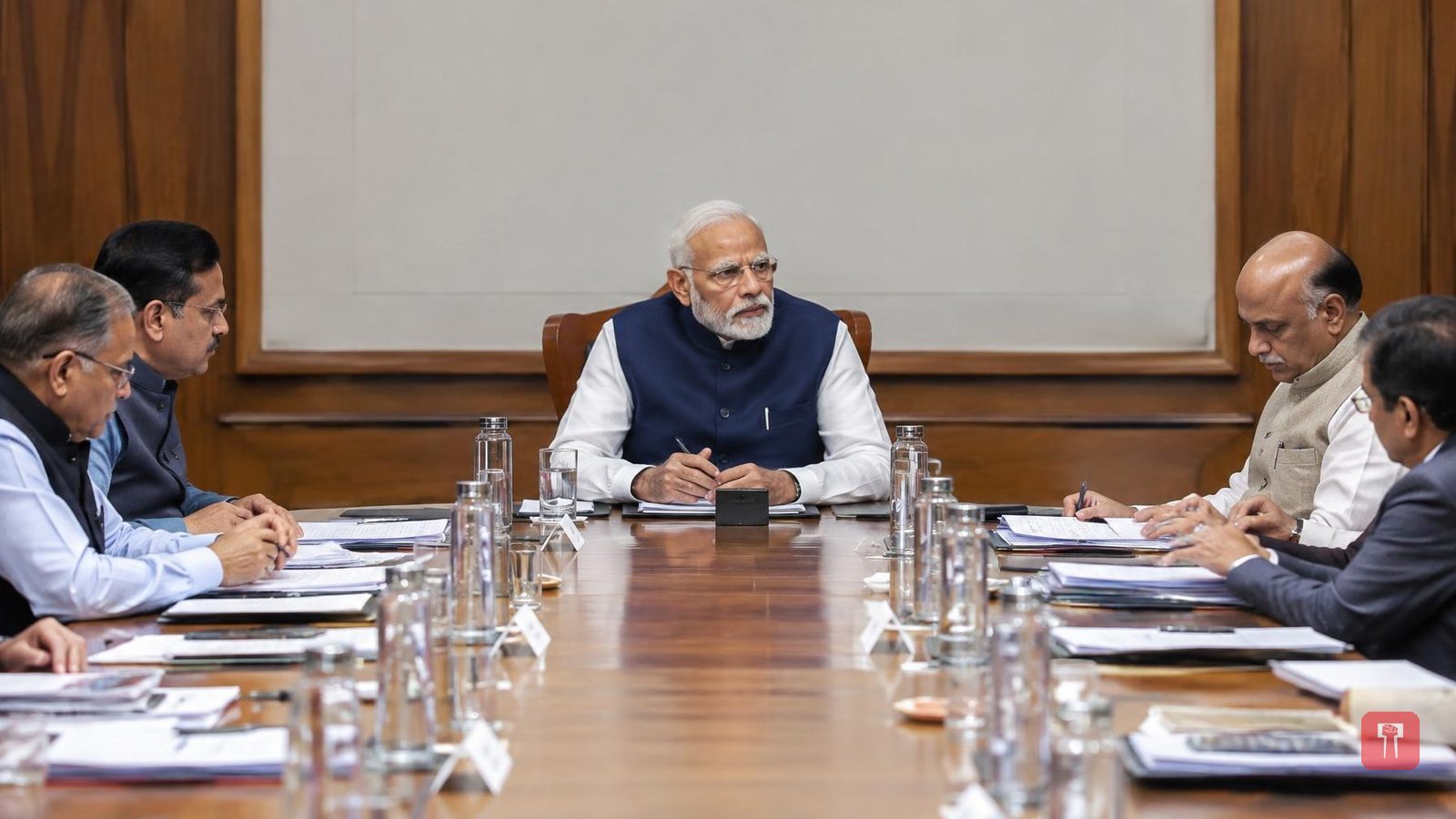
The Union Cabinet has approved the creation of the Integrated Transport and Logistics Authority (ITLA) to bring transport and logistics planning in the country under one roof. It will be a special purpose vehicle. The decision was taken at a Cabinet meeting chaired by Prime Minister Narendra Modi.
The reason given for the move is that various ministries and agencies currently plan and implement transport projects on their own, which fragments the work. The new authority is meant to end this fragmentation.
ITLA will function as the apex body for integrated transport and logistics planning in the country. Its main responsibilities will be research, technical appraisal of projects, policy guidance, monitoring of projects, data analysis and evaluation of outcomes.
The authority will prepare a national transport master plan spanning at least 10 years. It is said to cover roads, railways, ports, maritime transport, civil aviation, inland waterways, coastal shipping, urban transport and logistics.
ITLA will carry out the technical appraisal of central infrastructure projects costing Rs 500 crore or more. It will also monitor such projects during implementation, and their impact will be evaluated after the work is completed.
Another important step is a National Transport Data Repository. Information on e-way bills, FASTag, vehicle registrations, GPS and urban transport systems will be collected in one place. The data will allow analysis of freight movement and traffic.
ITLA will also help review the National Logistics Policy. Promoting training, skill development, research and new initiatives will also be part of its work.
According to the government, the decision will make the transport system more effective and help bring down logistics costs.
