

Jumping before a train is attempted suicide, not an accident: HC rejects compensation claim
The Nagpur bench of the Bombay High Court has upheld a tribunal order denying compensation to a man who lost an arm under the Sanghamitra Express.
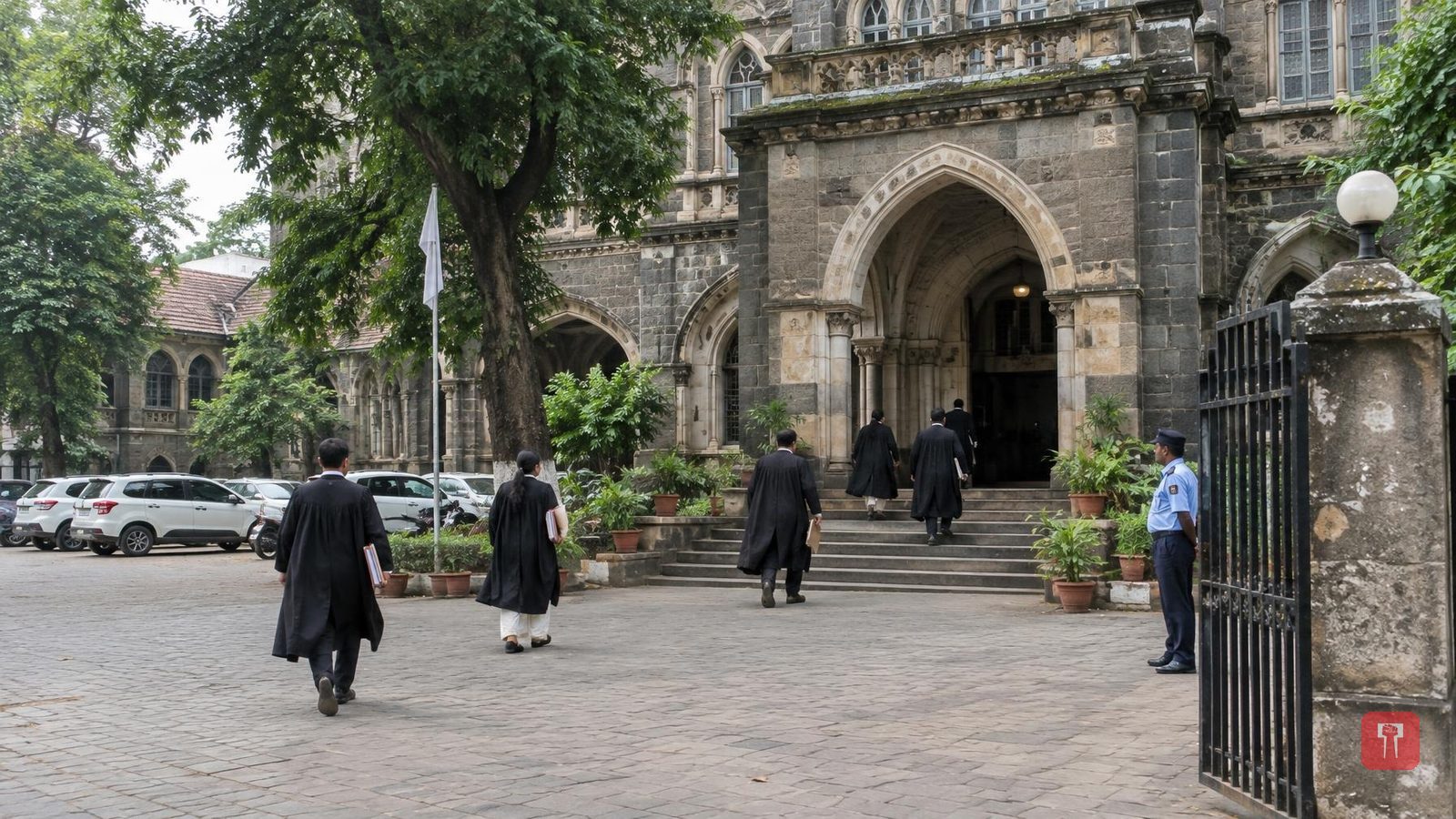 Images are not validated/verified
Nagpur: An attempt to die by suicide by jumping in front of a train cannot be treated as a railway accident, and the railways are therefore not obliged to pay compensation. The Nagpur bench of the Bombay High Court gave this ruling in an important case and rejected the claim for compensation.
The case concerns Santosh Chavan, a resident of Indore in Madhya Pradesh. On December 12, 2017, he was hit by the Sanghamitra Express at Nagpur railway station. His right arm was severed at the shoulder. Chavan then approached the Railway Claims Tribunal seeking Rs 4 lakh in compensation.
On Chavan's behalf, it was claimed that he was trying to board the train when he was suddenly pushed, lost his balance and was hit by the train. He described it as an untoward railway accident.
The railways rejected the claim outright. They said Chavan had deliberately jumped in front of the engine in an attempt to die by suicide. The incident therefore did not fall in the category of a railway accident, and no compensation could be paid for it, they said.
During the hearing, the railways placed before the tribunal affidavits from three persons: a railway guard, an assistant loco pilot and a line blocker of the carriage and wagon department. All three eyewitnesses stated that they had seen a man jump in front of the train engine. They said they had reported this to senior railway officials immediately after the incident.
Notably, Chavan's side did not cross-examine any of the three witnesses. On the basis of these statements and the other evidence on record, the tribunal refused to treat the incident as an accident.
On May 27, 2021, the Railway Claims Tribunal dismissed Chavan's compensation application on the available evidence. It held that this was a case of attempted suicide and not an ordinary railway accident.
Chavan challenged the order in the High Court, but he died while the appeal was pending. Members of his family then continued the appeal on his behalf.
The High Court examined the tribunal's findings and the available evidence. It treated the eyewitnesses' affidavits and the rest of the record as important, and upheld the tribunal's decision.
The court clarified that Section 124-A of the Railways Act provides for compensation in a railway accident, but an attempt at suicide or a self-inflicted injury does not fall within the scope of that provision. On this basis, the High Court dismissed the appeal by Chavan's family seeking compensation.
The ruling makes clear that merely being hit by a train is not enough to claim compensation from the railways. Whether an incident was a genuine accident or a deliberate attempt at suicide will be decided on the available evidence. In this case, the eyewitnesses' statements played an important role in establishing what happened.
