

Amavasya night: five places where Hindus traditionally light a lamp, from temple to main door
 Images are not validated/verified
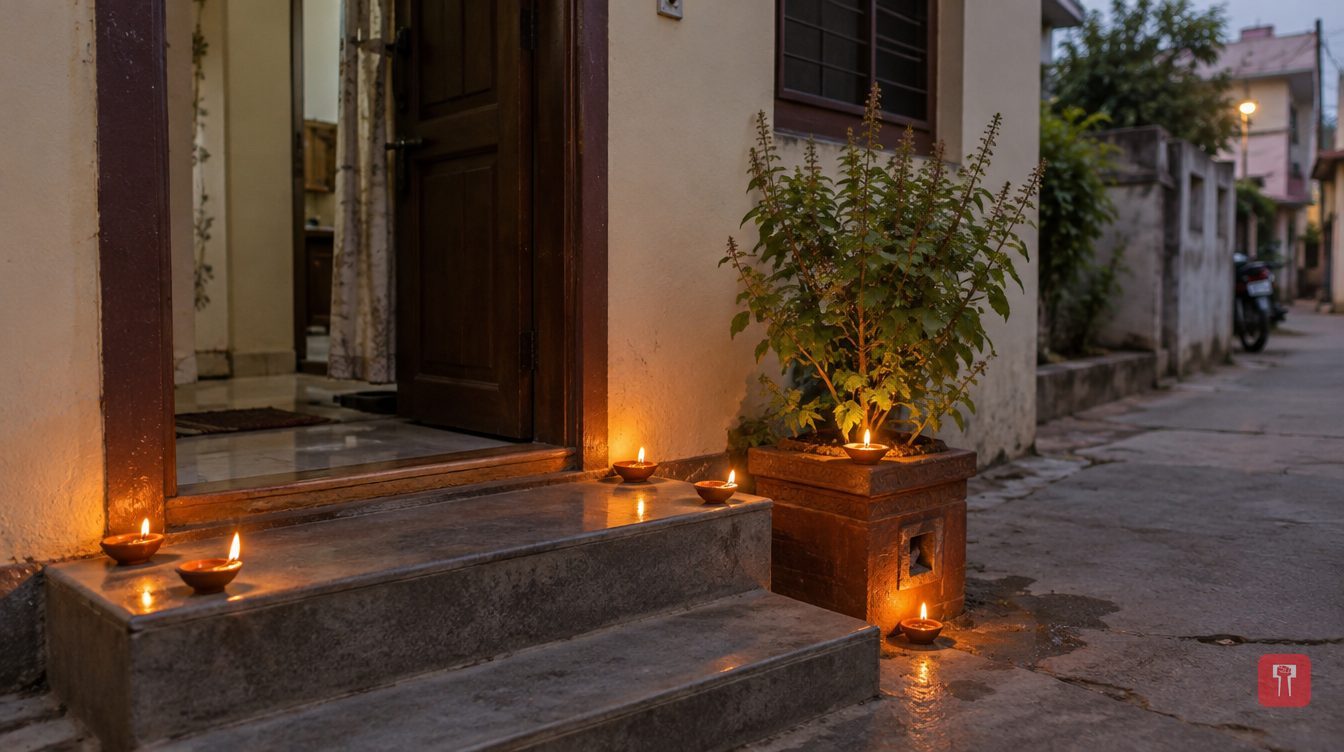
On the Ashwin Amavasya falling on Monday, November 9, lamps are traditionally lit at a temple, a tulsi plant, a chowk, a peepal tree and the main door.
The Amavasya tithi holds special religious significance in Hinduism. The day carries a tradition of remembering ancestors, giving alms and worshipping the gods. This time, the Amavasya of the month of Ashwin falls on Monday, November 9.
Lighting a lamp on Amavasya night at certain fixed places in and around the home is considered auspicious. According to religious belief, doing so keeps positivity, peace, happiness and prosperity in the home. The tradition is followed in many households. People have been advised to pick a clean spot and keep safety in mind while lighting the lamp.
The first place is a temple. Lighting a lamp at any temple near the home is considered highly auspicious. It is believed to bring blessings and, through the grace of the deity, remove obstacles in life.
The second place is the tulsi plant. It is said that a lamp should be lit beneath the tulsi. Tulsi is regarded as a highly sacred plant, so it is believed to bring the blessings of both Goddess Lakshmi and Lord Vishnu. It is said that the home of a person who lights a lamp near the tulsi in the evening never lacks wealth and prosperity, and love always remains in the family. It is believed that lighting lamps at these two places, the temple and the tulsi, removes all sorrow and darkness from life on its own.
The third place is the chowk near the home. On this special night of Diwali, lighting lamps at the fixed places is considered very important. Lighting a lamp in the chowk is believed to help drive away negative energy and increase the flow of positive energy in the home.
The fourth place is the peepal tree. A lamp should be lit near it too, because the peepal is believed to bring the blessings of ancestors, and their guidance makes life easier. The scriptures describe the peepal as highly venerable, as it is regarded as the abode of the gods and ancestors. When a lamp is lit here with full devotion, the blessings of ancestors are believed to ensure continued prosperity and keep any kind of crisis away from the family.
The fifth place is the main door of the house. Lighting up the main door is considered the most important task during Diwali. Lamps on both sides of the door are lit to welcome Goddess Lakshmi and bring happiness and prosperity to the home. It is believed that when lamps burn at the door, Goddess Lakshmi enters the home without any hindrance and stays there forever. If family members follow this tradition together, the mutual trust and love among them is said to deepen.
Deep and ancient religious reasons are cited for lighting lamps at all these places: the temple, tulsi, chowk, peepal and main door. It is said that when lamps are lit at these places regularly, all the positive energy in the world begins to help, and these small traditions make life easier and happier. These small steps, taken with full devotion, are said to brighten a person's fortune completely.
Reach readers on the ward they actually live in.
Advertise with Prime Time 24Reach readers on the ward they actually live in.
Advertise with Prime Time 24Reach readers on the ward they actually live in.
Advertise with Prime Time 24Choose primetime24.com as a preferred source on Google Google shows more stories from your preferred sources in Top Stories.
Reach readers on the ward they actually live in.
Advertise with Prime Time 24
Comments
No comments yet. Be the first.