

Five plants traditionally linked to Dhanteras, from tulsi and shami to hibiscus and money plant
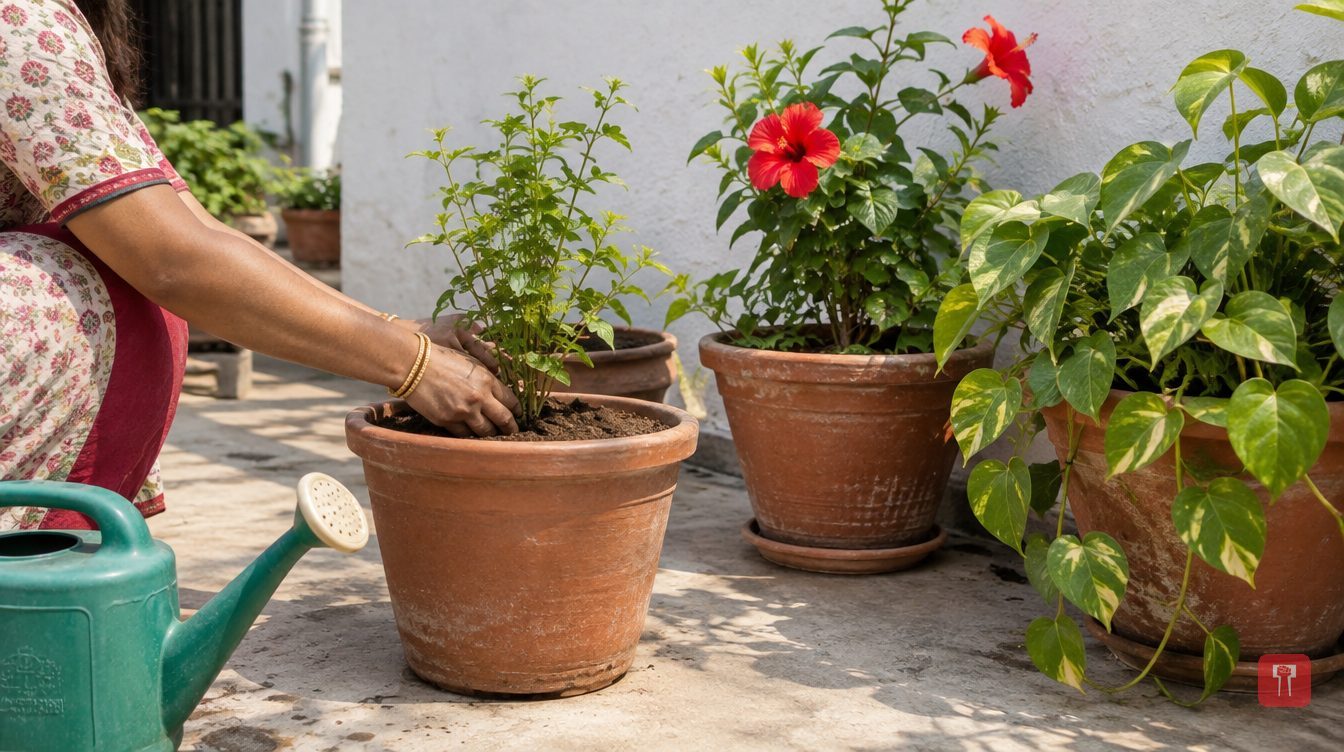
As Diwali nears, people plant tulsi, aparajita, shami, hibiscus and money plant at home before Dhanteras, a custom tied to belief in prosperity.
 Images are not validated/verified
As Diwali nears, cleaning and festival preparations begin in homes. Dhanteras is observed before Diwali and has special religious significance. On this day, Goddess Lakshmi and Lord Dhanvantari are worshipped. It is believed that proper worship brings happiness and prosperity to the home.
There is also a tradition of buying gold, silver and other items on Dhanteras. Besides shopping and worship, planting certain plants at home before the festival is also said to carry religious significance. Here are the plants.
According to astrology, many plants in nature are linked to deities in religious belief. Planting such plants at home is considered auspicious, and planting them before Dhanteras is also regarded as auspicious. It is believed this brings positive energy into the home and ensures happiness and prosperity. This is why people focus on decorating their homes and planting during the festive season.
The first is the tulsi (holy basil). It is considered very sacred in Hinduism, and in many homes it is worshipped daily. It holds a special place because of its association with Lord Vishnu and Goddess Lakshmi. During festivals such as Dhanteras and Diwali, people place particular faith in worshipping the tulsi.
The second is the aparajita. The plant is known for its blue and white flowers, which are used in rituals in religious traditions. Many people therefore grow it in gardens or pots. You too could consider planting it at home during the festive season.
The third is the shami tree. It is considered auspicious in Hinduism. According to religious belief, the tree is also linked to the worship of Lord Shiva and Shani Dev. Many people worship the shami on special occasions, which is why people are keen to plant it at home before Dhanteras.
The fourth is the hibiscus. It is known for its attractive flowers, which are used in many religious rituals. The red hibiscus flower in particular is considered important in the worship of goddesses. Many people therefore plant it in their courtyards or in pots.
The fifth is the money plant. It is often grown for decoration in homes and offices. According to popular Vastu shastra, the plant is also linked to financial prosperity. However, there is no guarantee that wealth will increase. It can mainly be planted for greenery and decoration.
This information on subjects such as religion, astrology, Vastu and feng shui is meant only to inform readers. Expert advice should be taken before trying any of these practices.

Comments
No comments yet. Be the first.