

60-year-old's sudden memory loss traced to stroke in thalamus, with no weakness or speech problem
A 60-year-old brought to hospital with sudden trouble recalling recent events had a stroke in the thalamus, doctors found after an MRI.
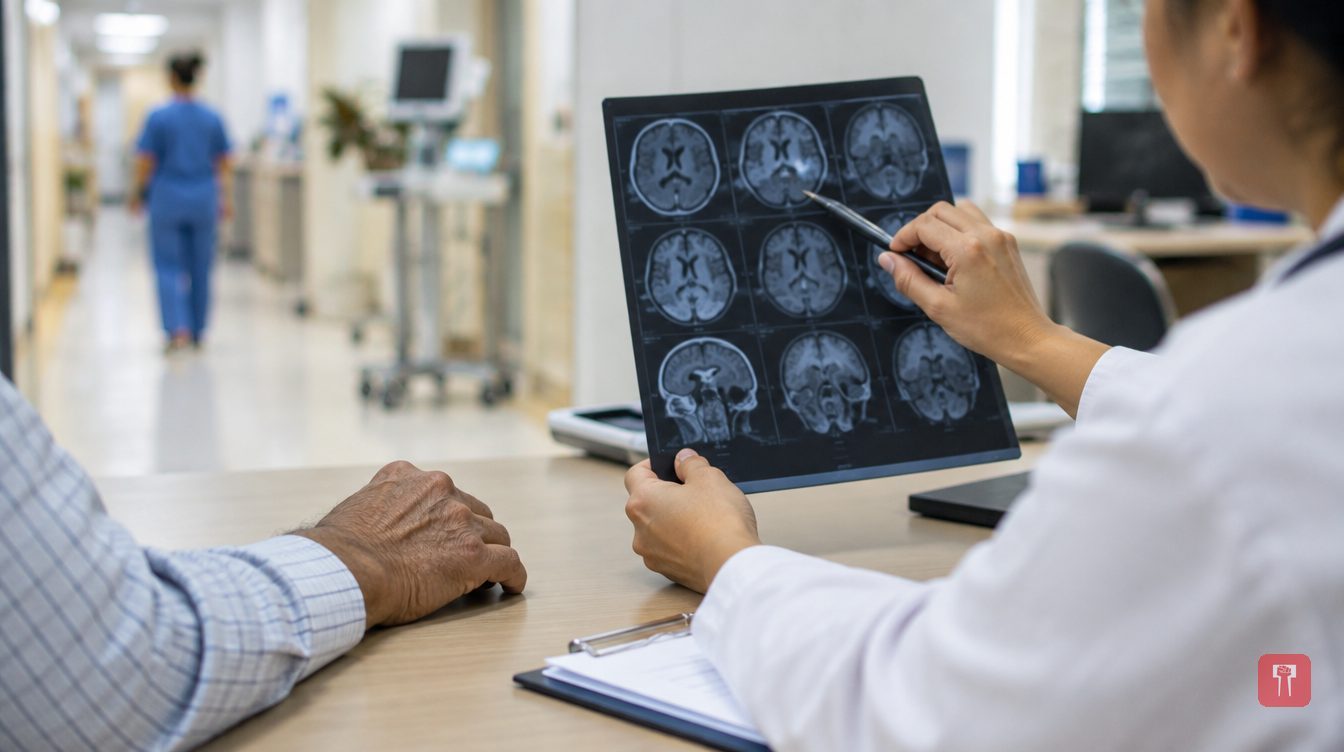 Images are not validated/verified
A 60-year-old man was brought to a hospital OPD after he suddenly began having trouble remembering recent events. His condition differed from the usual symptoms of a stroke. He had no weakness in the body, no difficulty speaking and no other clear neurological symptom.
The exact cause of the sudden memory problem was hard to pin down at first. The family initially thought the change was due to stress and consulted a psychiatrist. But since a sudden loss of memory is a sign of serious danger, it was decided to go ahead with further neurological tests.
Dr Sheetal Goyal, consultant neurologist at Wockhardt Hospitals, Mumbai Central, said an MRI of the brain was advised immediately to find the cause of the sudden change in memory. The scan showed that the blood supply had been blocked (an infarct) in a limited area involving the anterior nucleus of the thalamus. This explained the patient's sudden memory problem.
Dr Goyal said: "Sudden memory loss should not always be assumed to be linked to stress or psychological causes, especially when the change is abrupt. In this case there was no weakness in the body or difficulty speaking, so the possibility of a stroke does not easily come to mind. But the sudden onset of symptoms was an important warning sign. The MRI showed a blockage of blood supply in the front part of the thalamus and the reason for the patient's worsening memory became clear."
The case shows that weakness in the body is not always present in a stroke. Depending on which part of the brain is affected, stroke symptoms can vary. Sudden memory loss, changes in vision, changes in behaviour or personality, difficulty speaking or understanding language, dizziness, loss of balance, or sudden numbness and altered sensation can also be signs of a stroke.
The sudden onset of neurological symptoms is an important warning sign and should not be ignored. Even when symptoms are not typical or the usual signs of stroke are absent, timely medical examination and proper brain imaging can help detect a stroke.
Dr Goyal further said: "Every minute counts in the treatment of stroke. If there is a sudden change in memory, vision, speech, behaviour, balance or sensation without any clear reason, it is essential to get a medical check-up immediately. If these lesser-known symptoms of stroke are recognised, patients can get timely and appropriate neurological treatment."

Comments
No comments yet. Be the first.