

32 killed in wildlife attacks in Chandrapur so far this year, 30 of them by tigers
Chandrapur district has recorded 32 deaths in wildlife attacks in 2026, 30 by tigers, as human-animal conflict grows around its forests.
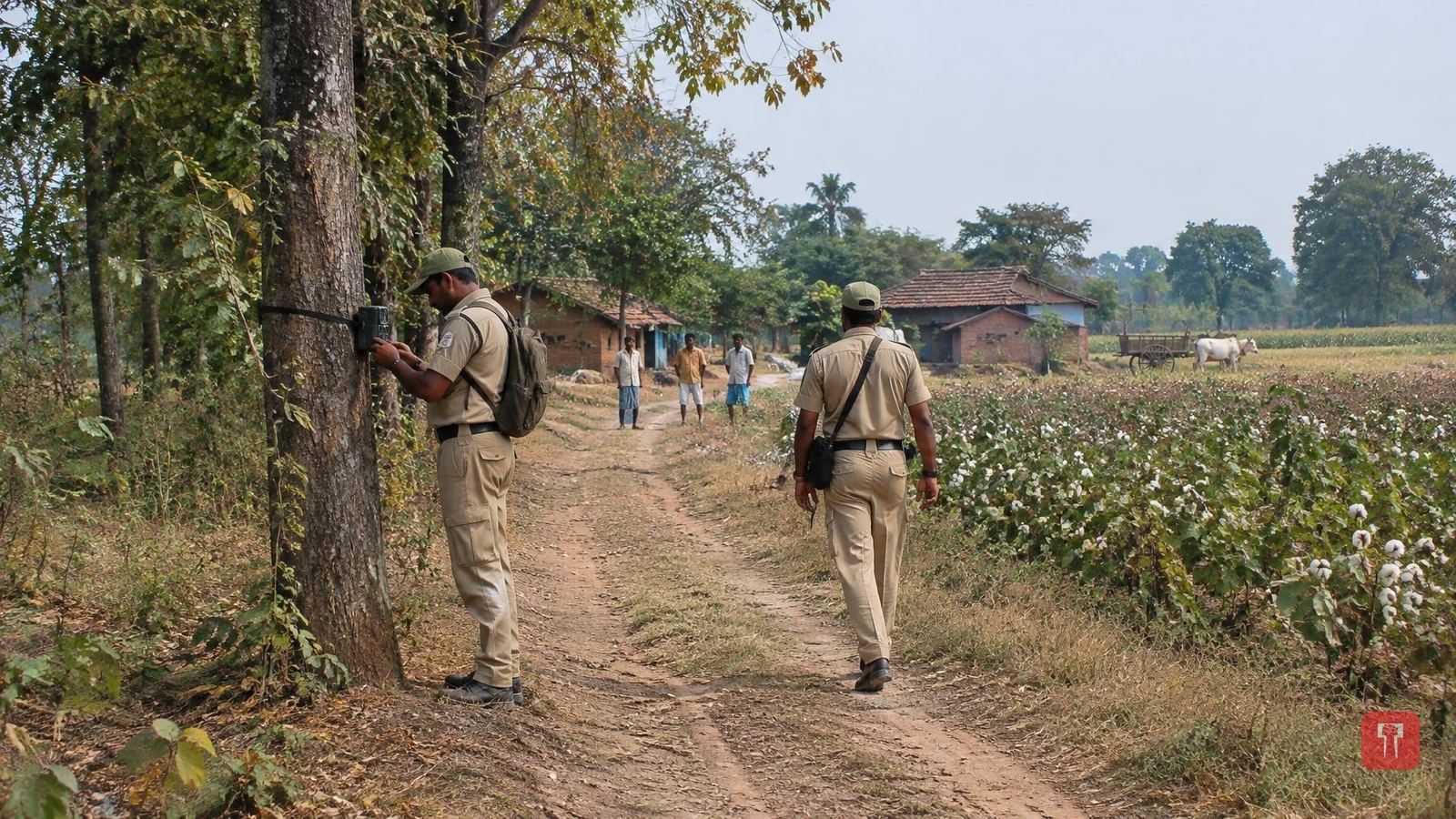
Chandrapur district, known across the country for its rich biodiversity and wildlife, is grappling with growing conflict between people and wild animals. The increasing closeness between forest and human settlement has become a cause for concern.
In 2026 so far, 32 people have died in wildlife attacks. Of these, 30 were killed by tigers. One person each died in an elephant attack and a leopard attack.
Last year's figures show the seriousness of the situation more clearly. In 2025, 47 people died in wildlife attacks in Chandrapur district, 42 of them in tiger attacks.
The large tiger population in Chandrapur and the surrounding forests is a matter of pride for wildlife tourism. But human movement is rising in villages, farms and forest areas bordering the forest, and incidents of conflict appear to be rising with it.
Farmers working in their fields, people collecting tendu leaves and other forest produce, villagers living near the forest and labourers who depend on it often come face to face with animals. A sudden encounter can prove fatal.
Another serious aspect of the conflict is the danger that human transport poses to animals. In Chandrapur district, wild animals are often hit by trains while crossing railway tracks. Animals also keep dying in road accidents.
Railway lines and major roads passing through forests often cut across the natural routes of animals. Animals have to cross them when moving from one forest to another, and they risk being killed by a speeding train or vehicle. Such deaths of tigers, leopards, deer and other animals are not just the death of one animal. They are a warning that a balance must be kept between protecting wildlife habitat and development work.
Behind every human death, a family's life falls apart. Losing the earning member plunges the whole family into financial crisis. Many children lose their parents.
The conflict therefore cannot be seen only as a matter for the forest department or wildlife conservation. It is a question of the safety of villages, people's livelihoods, wildlife conservation and environmental balance in development work.
Blaming the animals alone is not a solution. The forest department, railway administration, road authorities, local administration and villagers will have to work together. Regular patrolling in sensitive villages bordering the forest, camera trap monitoring, an effective system for passing on information immediately, awareness among villagers and firm identification of conflict areas are necessary.
Emphasis will also have to be laid on identifying wildlife corridors and railway crossings, special monitoring on sensitive rail routes, measures to keep train speeds under control where necessary, warning boards where animals move, and control of vehicle speeds on roads. It is vital to protect the natural habitat of tigers and other animals and their routes of movement. If forests stay safe and the animals' natural paths remain open, it can help reduce conflict between people and animals.
Chandrapur is identified with its tigers and rich biodiversity. Protecting wildlife and protecting the people who live near the forest are therefore equally important responsibilities. Human deaths in tiger attacks are a worry on one hand, and on the other, animals dying on tracks and roads are also warning of the need for a better balance between development and conservation.
The true test of wildlife conservation is that animals survive and human lives stay safe too. The rising figures clearly indicate that it is time to work on a firm strategy for Chandrapur district that is immediate, long-term and involves the local community, to curb the growing conflict.
