

Pune civic body plans ban on drying clothes in balconies facing main roads; residents object
The Pune Municipal Corporation is framing a policy to stop residents hanging washed clothes in road-facing balconies, but citizens and activists say basic civic services should come first.
 Images are not validated/verified
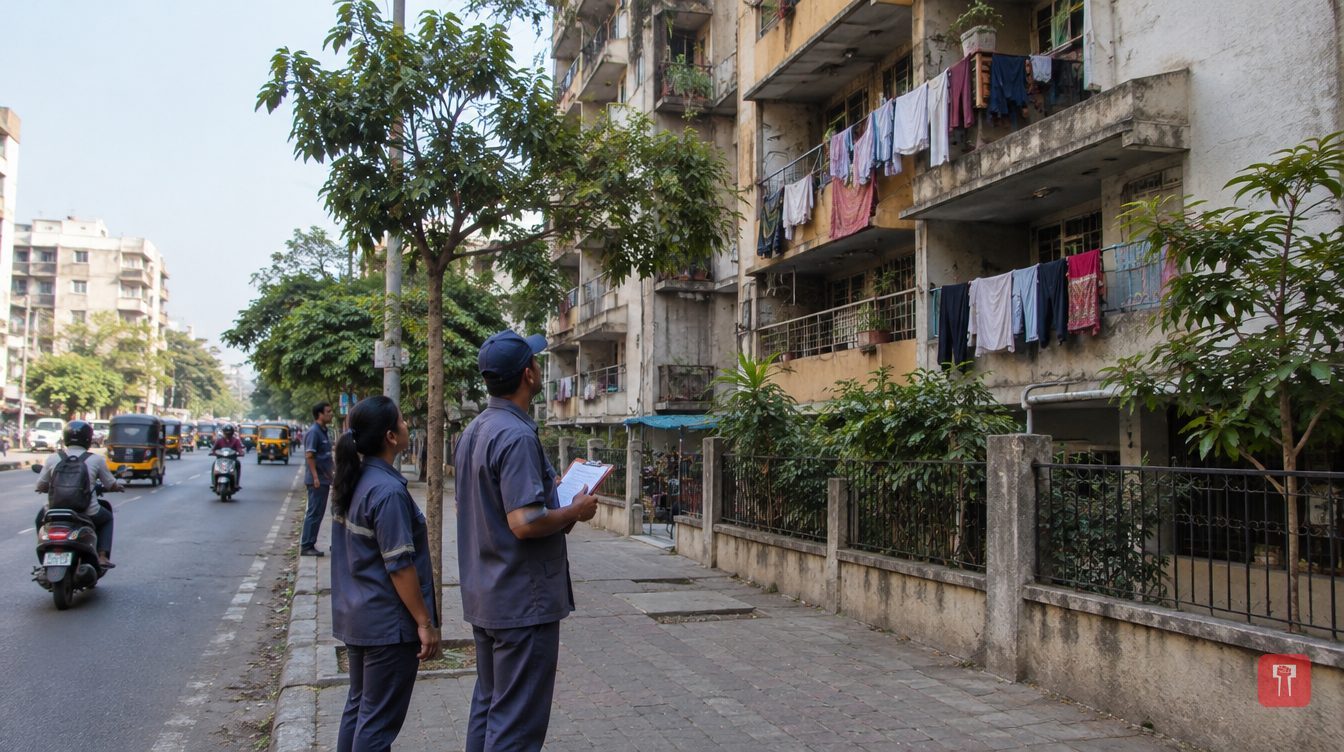
After illegal hoardings, the Pune Municipal Corporation (PMC) has now turned its attention to clothes hung out to dry in balconies. Saying it wants to rid the city of "visual pollution", improve its looks and maintain civic discipline, the PMC is preparing a comprehensive policy. Under it, residents will be barred from drying washed clothes in balconies that face main roads.
The civic body is also considering making green safety nets mandatory around vacant plots, to stop garbage and construction debris from being dumped illegally in the city. But Puneites and activists in the city have not welcomed the proposal. They say it is an arbitrary decision and a direct interference in their private space. Citizens have told the PMC to first fix the city's basic amenities, cleanliness and sanitation, because these are linked to their safety and overall health.
Commissioner Naval Kishore Ram announced the measures at the "Swachh Samvad" programme organised by the PMC's solid waste management department. Speaking before senior officials and field staff, he said that as the city grows rapidly, the administration must take firm steps to protect its visual character. Expressing concern that the facades of buildings on crowded roads look unruly, he said wet clothes hanging in roadside balconies spoil the overall streetscape and beauty of the city.
"The administration has the authority to implement the measures needed to preserve the city's beauty and discipline," Ram said. "Drying clothes in front balconies on main roads disturbs the visual harmony of the city. We are considering a strict set of rules to curb such habits." PMC officials said guidelines detailing the method of enforcement, awareness campaigns and penalties for violators are expected to be ready within seven days.
Ramesh Kulkarni, a resident of Kothrud, said, "Maintaining the city's beauty is important, but the balcony is a rightful private space for residents. Especially in densely populated apartments, there is hardly any space inside to dry clothes. So a ban on drying clothes seems completely unnecessary and oppressive, because the city has far bigger and more urgent problems."
Ananya Deshmukh, a resident of Viman Nagar, struck a similar note. She said household needs were being ignored. "In today's flats, little sunlight comes inside, and the balcony is the only place to dry daily clothes. Before fining citizens for drying clothes in their own homes, the PMC should remove the real visual pollution on main roads, that is, illegal hoardings, huge banners and the dangerous web of overhead cables," she said.
Civic activists have also questioned the PMC's priorities. They want the administration to direct its energy to basic infrastructure problems. Civic activist Quaneez Sukhrani said, "Instead of controlling what citizens do in their balconies, the PMC should spend its strength and money on serious issues such as improving sanitation in slums and removing rampant encroachments on footpaths. Pedestrians in Pune have no safe place to walk, and basic sanitation in informal settlements is a daily struggle. These should be the administration's first priorities."
The PMC is also preparing strict guidelines on vacant plots. Open spaces in Pune repeatedly turn into dumping grounds for household garbage and construction debris. Under the proposed order, plot owners will have to put up green protective netting and proper fencing around their land to keep it clean and stop unauthorised dumping.
Commissioner Ram said that, given Pune's growing spread and a population approaching 80 lakh, managing civic services with a Rs 16,000 crore budget and 25,000 employees is a huge challenge. The administration has expressed concern over the poor condition of public toilets in some parts of the city and said poorly maintained sanitation facilities are a serious matter of civic dignity. Payment of garbage collection fees is low in informal settlements. A proposal to provide free sanitation and garbage collection services in slum areas, to improve cleanliness there, is under consideration.

Comments
No comments yet. Be the first.