

World Vegan Day on Nov 1: how veganism differs from vegetarianism and how the day began
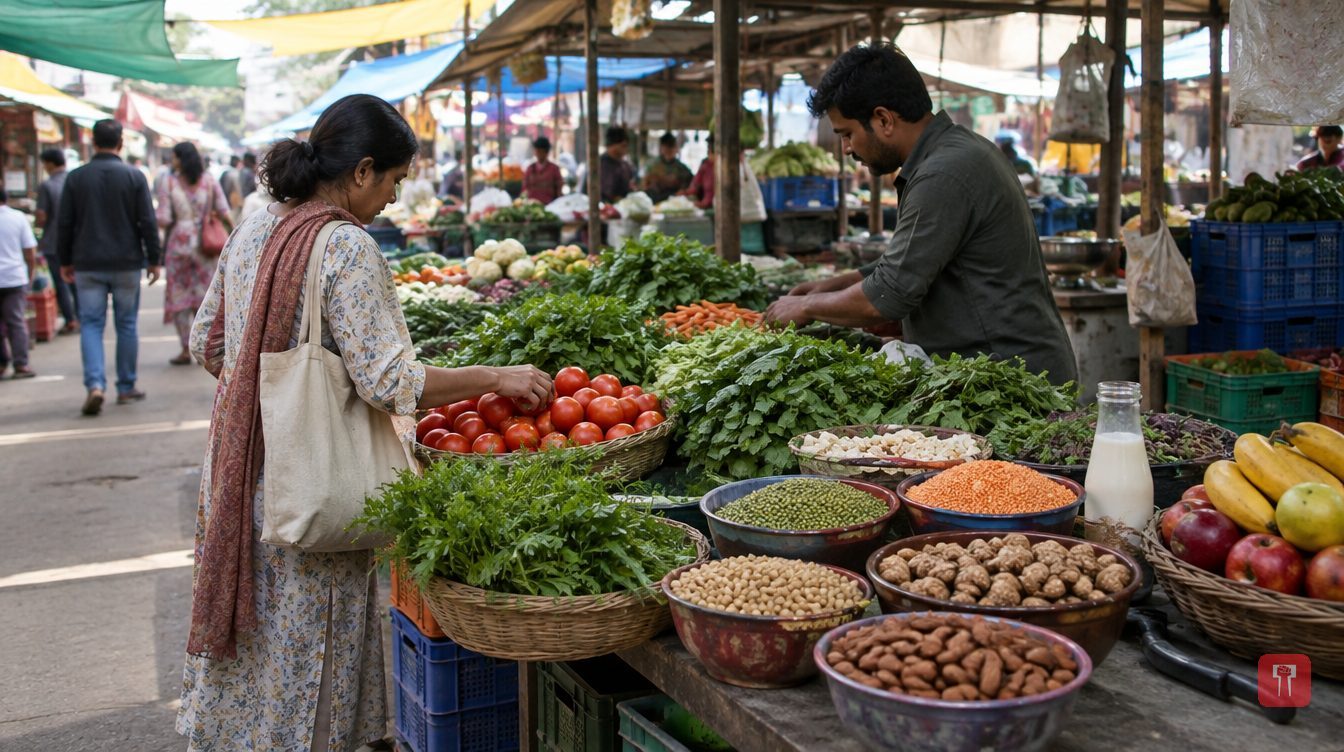 Images are not validated/verified
World Vegan Day, marked on November 1 every year, promotes harmony with nature, kindness to animals and protection of the environment.
Changes in eating habits and lifestyles are visible across the world. One fast-spreading trend is the vegan lifestyle. World Vegan Day is celebrated with great enthusiasm around the globe on November 1 every year. The day is not limited to saying what one should or should not eat. It carries a message of living in harmony with nature, showing compassion to animals and protecting the environment.
World Vegan Day was started in 1994 by The Vegan Society of the United Kingdom. Louise Wallis, then the society's president, announced on its 50th anniversary that November 1 would be observed as World Vegan Day.
The word "vegan" had first been used in 1944 by Donald Watson and his associates. To make clear the difference between vegetarianism and the vegan way, they formed the word by joining the first three and last two letters of "vegetarian". Since then it has emerged as a distinct and broader lifestyle.
People often assume vegan and vegetarian mean the same thing, but there is a fine and important difference. A vegetarian diet excludes meat, fish and eggs, but includes animal-derived items such as milk, curd, ghee, butter and honey. A vegan lifestyle is entirely plant-based. Along with meat and eggs, no animal-based item such as milk, curd, ghee or honey is consumed. Vegans also avoid leather, wool, silk and cosmetics tested on animals.
On health, scientific research and medical studies say a balanced plant-based diet is highly beneficial. Citing these, it is said that a vegan diet is very low in saturated fat and cholesterol, which keeps heart rate and blood pressure under control and reduces the risk of heart disease. Being rich in fibre, fruits, vegetables and pulses, it keeps the digestive system strong and helps control weight. Such a diet is also said to help control blood sugar and improve insulin sensitivity. A plant-based diet rich in antioxidants and phytochemicals reduces inflammation in the body and helps protect against several diseases, including cancer.
The lifestyle is also discussed from an environmental angle. The world today is grappling with the serious problem of climate change. Livestock farming and industries making animal products emit large quantities of greenhouse gases and use a great deal of water. Adopting a vegan lifestyle stops the waste of land and water used in animal husbandry, which helps reduce the carbon footprint. The lifestyle is also considered highly important on ethical grounds, as a way of stopping cruelty to animals and their slaughter.
Reach readers on the ward they actually live in.
Advertise with Prime Time 24Reach readers on the ward they actually live in.
Advertise with Prime Time 24Reach readers on the ward they actually live in.
Advertise with Prime Time 24
Comments
No comments yet. Be the first.