

World pushes for AI curbs, but Trump rejects global oversight plan
Twenty nations and the EU called for international AI safety rules while US President Donald Trump opposed a new global control system
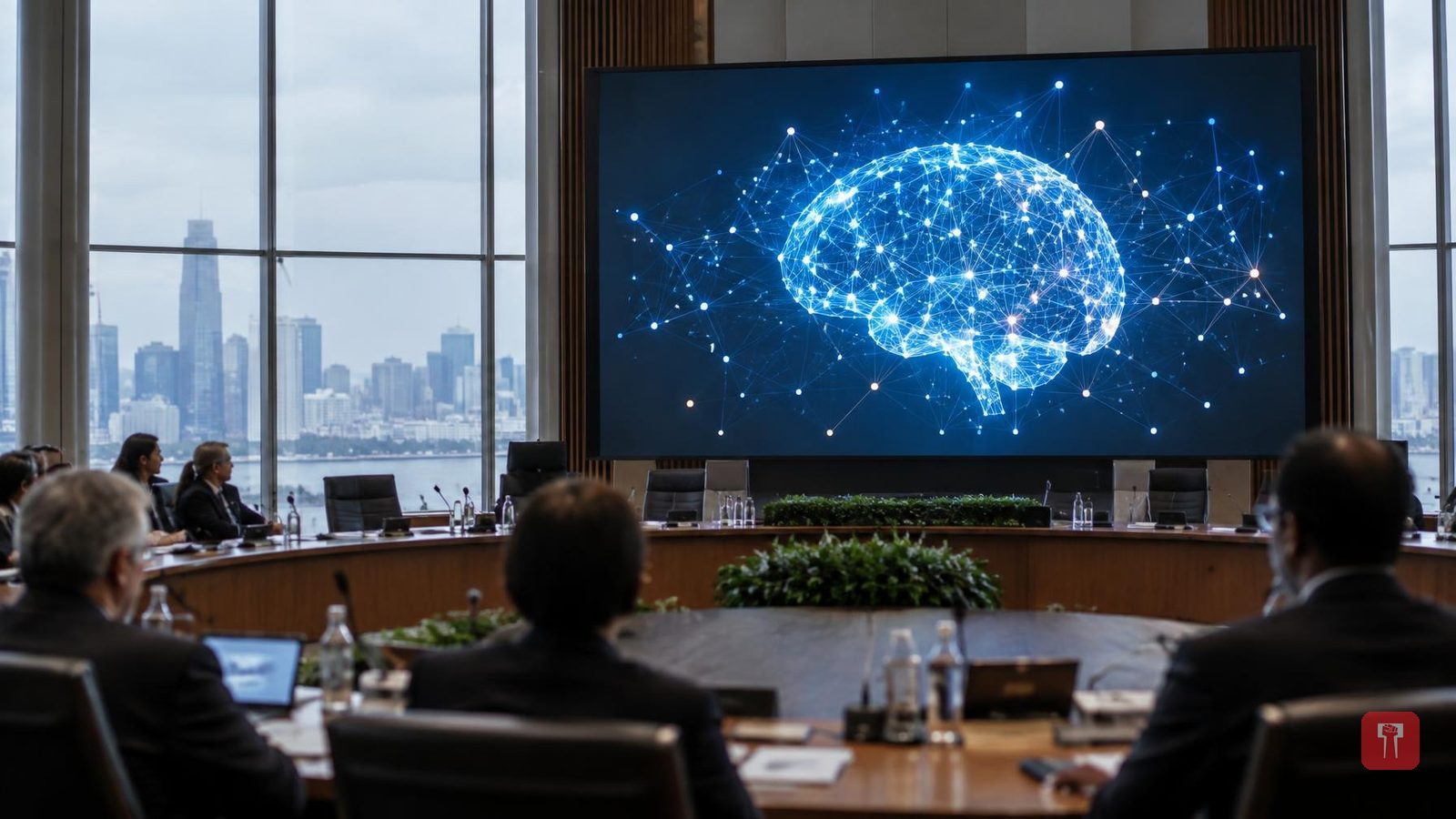
Debate over the fast-growing power of artificial intelligence has intensified worldwide. While discussions on AI control, safety and international rules are gaining pace, US President Donald Trump has clearly opposed any new global control system being planned for AI.
The issue resurfaced during the United Nations General Assembly, where the United States and other countries showed differing views on the future of AI.
Germany, Canada, South Africa, Australia and the UAE, among 20 countries, along with the European Union, have jointly demanded that AI always remain under human control and that international cooperation be increased for this purpose. These countries have proposed creating uniform safety standards for AI, sharing information among themselves in case of any major incident, and eventually having oversight through an international body.
On the other hand, Donald Trump has opposed imposing new rules on the AI sector. He says strict rules could slow down the pace of technology development. He has also made clear that the job of keeping watch on AI could be handled by the US Justice Department as well. His stance makes clear that the United States is placing greater emphasis on advancing AI rather than restraining it.
Alongside AI's growing capability, concerns are also rising over its misuse, cybersecurity, human control and dangers that could arise in the future. United Nations Secretary General Antonio Guterres has also said that a multilateral arrangement is needed to deal with the risks linked to AI.
With calls for international rules and oversight rising on one side, and the United States prioritising the development of the AI sector on the other, this difference in approach is expected to keep the issue of global AI regulation in the spotlight in the times ahead.
