

World Pediatric Bone and Joint Day on Oct 19 stresses early care of children's bones and joints
Experts say nutrition, sunlight and exercise build strong bones in childhood, and that persistent limping or joint swelling needs a specialist's attention.
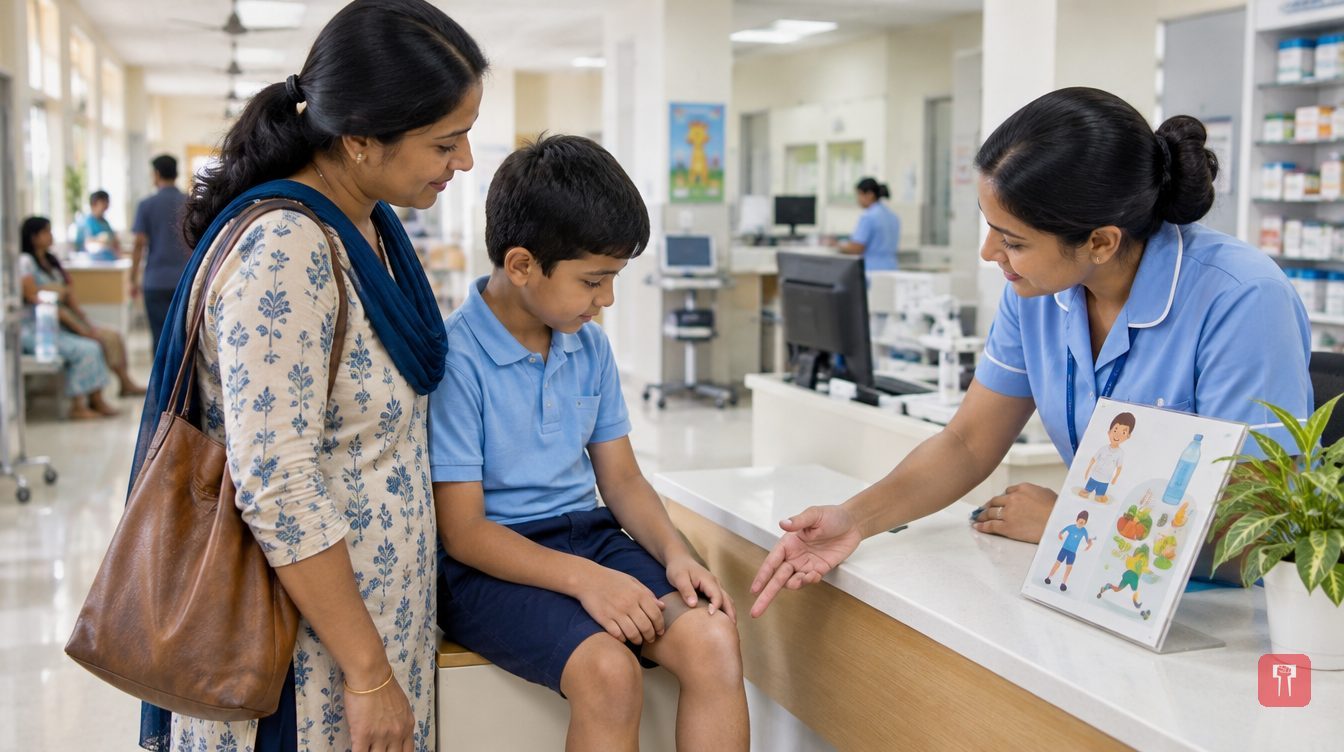 Images are not validated/verified
Children's laughter, play and running about bring cheer to every home. Behind this energy lie their bones and joints, the most important part of the body. With this in mind, World Pediatric Bone and Joint Day is marked across the world every year on October 19. The aim is to spread awareness widely in society about bone and joint ailments in childhood, and to explain how important timely medical advice and treatment are. Strong bones are essential for a child's physical growth and overall health.
Children's lifestyles have changed considerably in the digital age. Sitting in front of mobiles, television and computers has replaced playing outdoors. As a result, problems such as weak bones, joint pain, back trouble and vitamin D deficiency are appearing at an early age. According to health experts, if problems with a child's bones or joints are not attended to in time, a permanent deficiency or a serious, long-term illness can result in adulthood. Parents are therefore advised to stay alert in childhood itself.
On this occasion, paediatricians, orthopaedic specialists, hospitals and several social and health organisations run special campaigns. Awareness camps are held in schools, nurseries and health centres. Parents and teachers are told how to care for children's bones, what the diet should be and how to recognise early symptoms.
Experts say the strength and density of most of the body's bones is built in childhood and adolescence. If bones do not get proper nutrition at this age, the risk of diseases such as osteoporosis later in life rises many times over. The emphasis of the day is therefore not only on treating illness but also on preventive care, so that the illness does not occur at all.
Three things have been highlighted for keeping children's bones strong. The first is balanced nutrition. Daily meals should be rich in calcium and vitamin D. Milk, curd, buttermilk, paneer, green leafy vegetables, ragi, sesame and dry fruits give bones the nourishment they need.
The second is sunlight. Children now spend most of their time indoors and show a marked vitamin D deficiency. Playing in gentle morning sunlight for at least 15 to 20 minutes helps the body make vitamin D, which is essential for absorbing calcium. The third is exercise. Running, skipping, cycling and outdoor games put healthy stress on the bones, making them stronger and more flexible.
Children often complain of pain in the legs or joints, and many parents dismiss it as growing pains. But not every pain is minor. If a child limps while walking, has swelling or redness in the joints, falls repeatedly, or has difficulty getting up and sitting down, these could be symptoms of a bone or joint problem.
Complaints such as a curving spine, bones that break easily (repeated fractures) or clicking sounds from the joints should also not be ignored, and a paediatric orthopaedic doctor should be consulted at once. If detected early, these conditions can be cured completely with the right medicines, physiotherapy or simple exercises.
