

World Breast Cancer Day on October 19: five early symptoms women should know
Marking Breast Cancer Awareness Month, women are urged to know the early signs, examine themselves monthly and see a doctor in time.
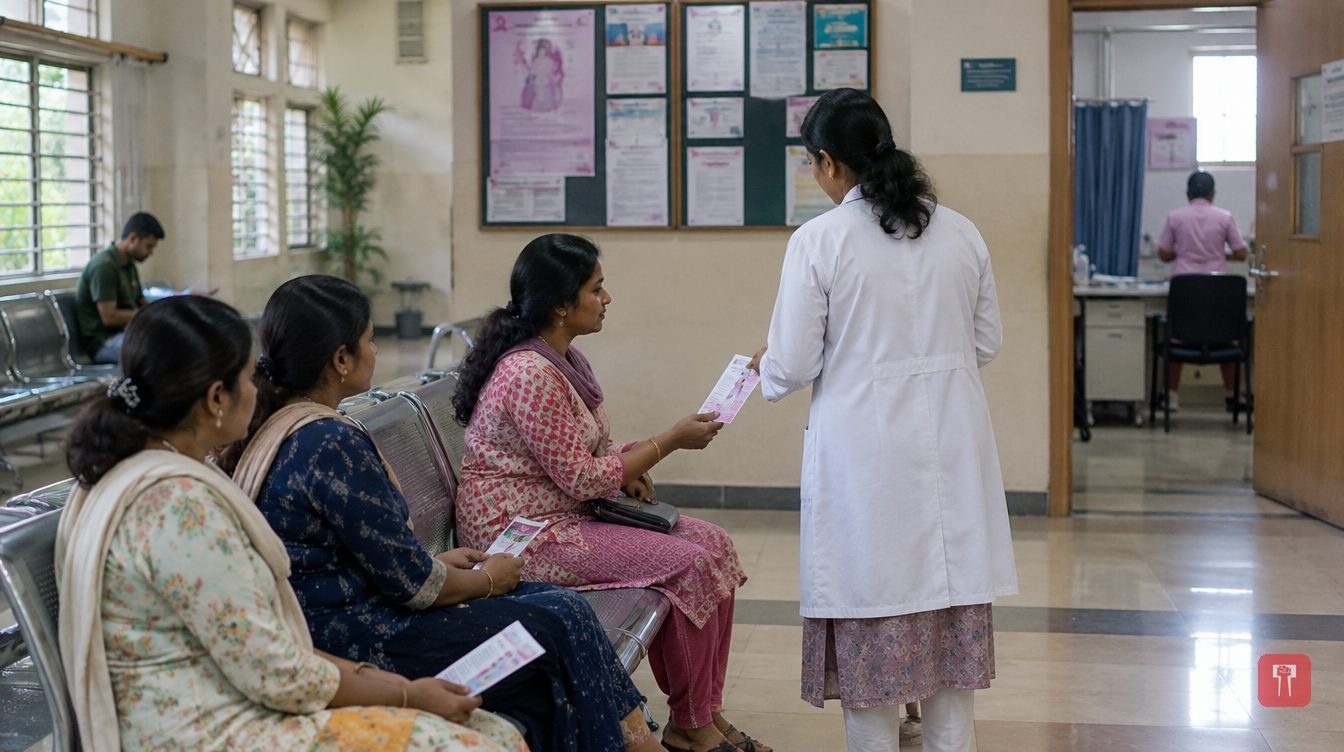 Images are not validated/verified
World Breast Cancer Day is observed on October 19 every year, and the whole of October is known as Breast Cancer Awareness Month (Pink October). The aim is for women to recognise early symptoms of the disease, examine themselves regularly and come forward to consult a doctor in time without fear.
Breast cancer is considered the most common and fastest-growing type of cancer among women, both in the world and in India. In today's hectic and changing lifestyle, women's health is the most neglected. Fear, hesitation or lack of information often means the disease is not detected in time.
Citing advances in medical science, it has been said that if breast cancer is detected early, complete treatment is possible in more than 90 per cent of cases. With the slogan "Awareness is the first step to protection", the day is marked with special programmes.
In the early stage, breast cancer generally does not cause sharp pain. It is therefore considered essential to watch closely for small changes in the body. Women who notice any of the following symptoms are advised to consult a specialist doctor (a gynaecologist or oncologist) without hesitation.
The first symptom is a lump or thickening: a new, hard or painless lump felt in the breast or the armpit (axilla). The second is a change in the skin, such as redness of the breast skin, or skin that looks rough like orange peel or develops a dimple.
The third symptom is a change in the nipple, such as the nipple turning inwards (inverted nipple) or a sudden change in its shape. The fourth is abnormal discharge: watery or yellowish fluid or blood-like discharge from the nipple when the woman is neither pregnant nor breastfeeding. The fifth is swelling or a difference in size, meaning a sudden, large difference in the size or shape of the two breasts.
On breast self-examination (BSE), it has been said that it is beneficial for every woman above 20 to examine her breasts every month. The check should be done three to five days after the period ends. Women who have reached menopause have been asked to fix one date each month for the check. Women can keep watch themselves with a simple method: standing before a mirror to look at the size, skin and nipples of the breasts, and lying down and feeling for lumps by pressing with the pads of the fingers in a circular motion. After the age of 40 or 45, an annual mammogram (an X-ray scan of the breasts), on a doctor's advice, is considered very safe.
Factors that raise the risk include family history, age, hormonal imbalance (estrogen level), late marriage or a late first child, not breastfeeding, smoking, alcohol and obesity. For prevention, women are advised to include green leafy vegetables, fresh fruit, fibre-rich grains and antioxidants in daily meals, avoid processed and high-fat food, walk at least 30 minutes a day, do yoga or light exercise, and stay away from tobacco, cigarettes and alcohol. It has also been said that breastfeeding a newborn on time substantially lowers the mother's risk of breast cancer.
The pink ribbon is regarded as a symbol of hope, solidarity and awareness in the worldwide fight against breast cancer. On October 19 and through the month, hospitals, NGOs and social organisations around the world hold free screening camps, webinars, walks and counselling sessions. Thanks to campaigns on social media such as #BreastCancerAwareness and #PinkOctober, the younger generation too is now speaking openly about the subject.
